Beans, Tofu Drive UK Plant-Based Sales as Meat Alternatives
UK sales of whole-food plant proteins like beans and tofu grew over 7% in early 2026, while processed meat alternatives and conventional meat declined
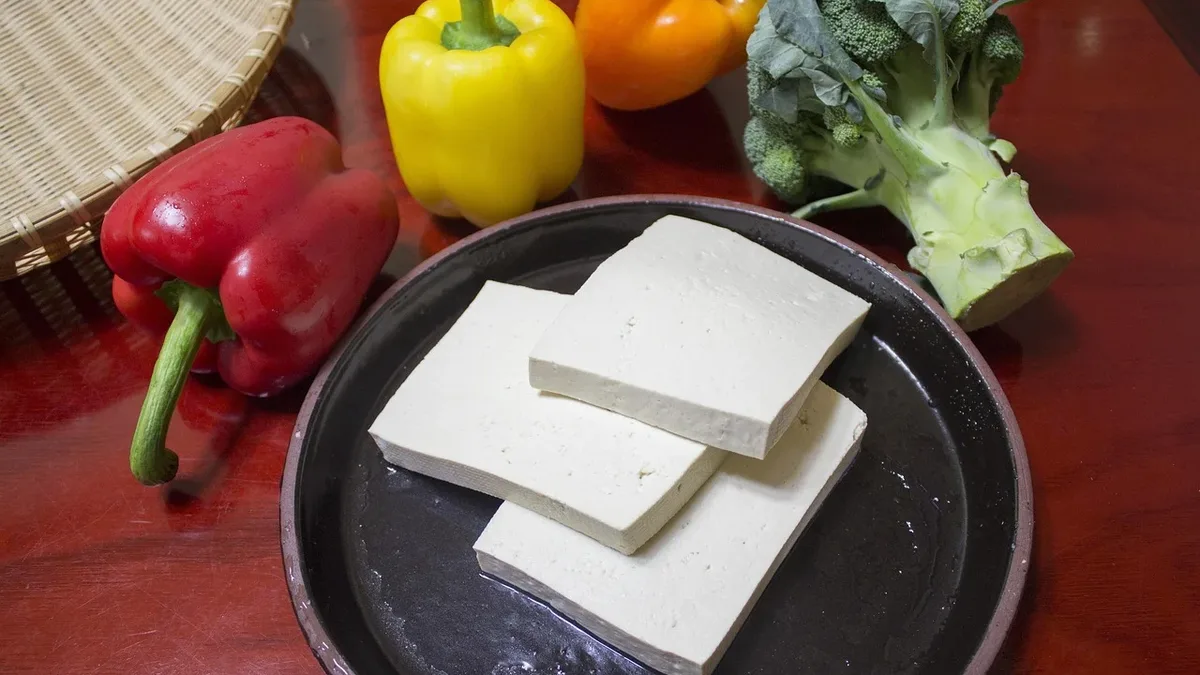
Unit sales of beans, pulses, tofu, and tempeh in the UK grew by 7.3% in the first half of 2026 compared to the same period a year ago. According to an analysis of NielsenIQ data by think tank Madre Brava, value sales for these items also rose by 10.1%.
This growth for traditional plant proteins contrasts sharply with the performance of plant-based meat alternatives, which saw unit sales fall by 4.3% and value drop by 2.7%. Sales of conventional meat products also dipped by 1.8% in the period. The report suggests shoppers are moving toward "simpler, higher-fibre foods" whose prices are rising more slowly than general food inflation.
Whole foods surge as processed alternatives falter
Within the surging plant protein category, different products saw varied performance. Dried beans, peas, and lentils led with a 16.7% increase in units sold.
| Product Category | Unit Sales Change |
|---|---|
| Dried beans, peas, lentils | +16.7% |
| Canned and jarred beans | +6.4% |
| Tofu | +7.2% |
| Tempeh | +71.5% |
| Textured vegetable protein | -11.7% |
| Baked beans | -4.2% |
Tempeh's dramatic growth comes from a small base. The decline in baked beans is partly attributed to a shift from individual to multi-pack purchases, and a reduction in varieties containing sausages or processed meats. Meanwhile, textured vegetable protein, made from soy, wheat, or pea, saw a significant drop.
Health appears to be a primary driver. The report notes the bean category is expanding at both budget and premium ends. For four of six canned and jarred bean segments, including chickpeas and butter beans, the price per unit rose faster than inflation, indicating consumers are spending more on premium options.
Premium beans reshape a commoditised aisle
Organic baked beans saw unit sales grow by 9.7%, even as standard options declined. Madre Brava said this exemplifies a broader consumer shift toward healthier products and budget savings, alongside the success of 'premium beans'.
London-based Bold Bean Co has driven much of this premium appetite, achieving 117% year-on-year growth since its 2021 launch. Its success has prompted retailers to launch their own jarred bean lines. "The canned pulses category is undergoing a real transformation," said Beth Latham, the brand's head of category and strategic projects. "It was previously a dusty, highly commoditised aisle..."
Chloe Mackean of the UK's Food Foundation noted beans represent a "triple win for health, sustainability and our wallets." She credited brands like Bold Bean Co, which pepper social media with recipe photos, for helping change perceptions.
Mixed performance in plant-based dairy
The report also examined plant-based dairy, where unit sales decreased by just under 1% but value increased by 4.4%. Milk alternatives now hold a 7% share of the total UK milk market.
| Milk Alternative Type | Unit Sales Change |
|---|---|
| Oat milk | +2.7% |
| Nut milks | +2.5% |
| Soy milk | -8.4% |
| Rice milk | -9.4% |
Plain vegan yoghurt and non-dairy cream saw modest unit sales improvements of 1.1% and 0.4% respectively, while flavoured yoghurt fell by 4% and vegan cheese dropped 11.2%. The report suggested the shift to plain yoghurt, where the price per unit rose 8.1%, indicates some consumers will pay more for healthier, lower-sugar options.
Madre Brava is urging retailers to ensure plant proteins make up 30% of their protein sales by 2030. Lidl has already surpassed a target to increase alternative meat and dairy sales by 400% by 2025, recording a 694% hike since 2020. Tesco reported its plant-based sector was "back in growth," with vegan mince sales up nearly 25%. Sainsbury's has launched a Full on Fibre label highlighting high-fibre products like beans and tempeh.
"The bounce back in plant-based sales shows consumers are choosing foods that are a win for their health, their budgets and can compete on taste," said Madre Brava's UK director, Sara Ayech. She called on supermarkets, which account for over 80% of calorie intake, to drive the trend by offering convenient, appealing options for flexitarian customers.