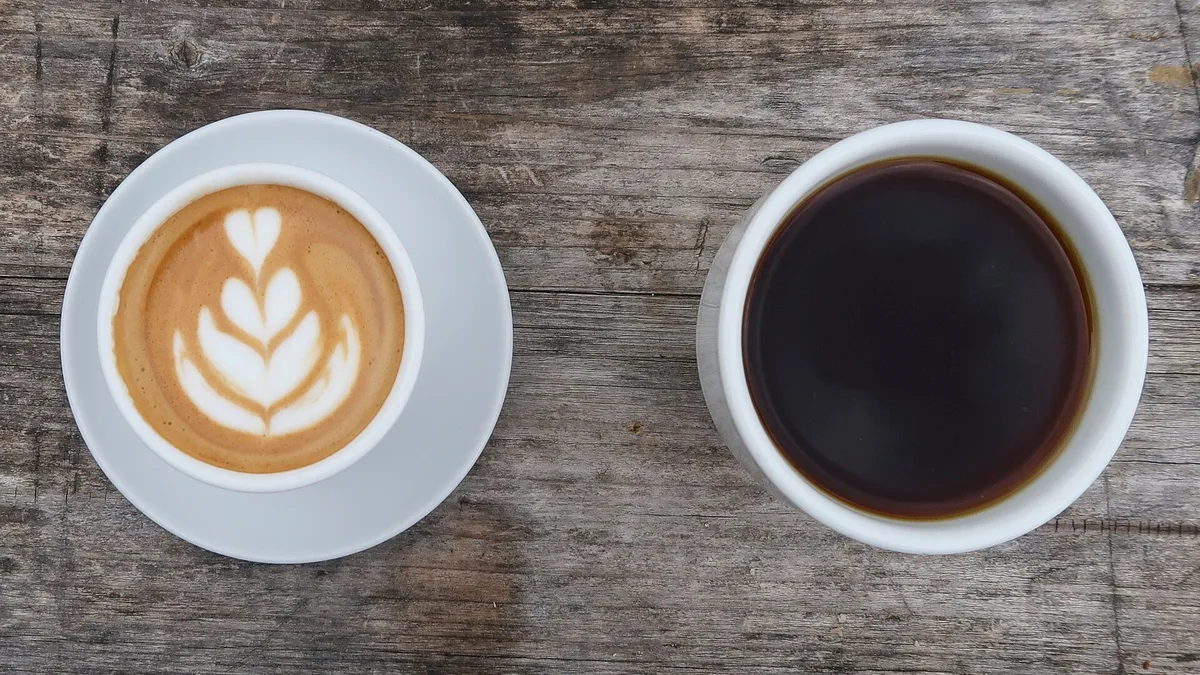
Specialty Coffee
| Primary ingredient | Coffee beans |
|---|---|
| Format | Typically a brewed beverage |
| Preparation | Requires specific brewing methods |
| Serving temperature | Hot |
| Quality focus | High-grade beans and precise preparation |
| Distinction from regular coffee | Emphasis on origin, processing, and flavor profile |
Origin and history
Specialty coffee as a defined concept originated in the United States during the 1970s. The term was first formally used by Erna Knutsen in a 1974 publication to describe beans with distinctive flavor profiles grown in special microclimates. This period marked a deliberate shift away from commodity coffee, which prioritized volume and consistency, toward an emphasis on quality and origin characteristics. The movement was fundamentally tied to the rise of direct trade practices and a focus on sustainable relationships with coffee farmers. It established a new system of evaluation, with coffee graded on a 100-point scale by certified Q Graders, where a score of 80 or above designates specialty grade. This framework created an entire industry segment focused on quality at every stage, from cultivation and processing to roasting and brewing.
Ingredients
Specialty-grade coffee beans Water
How to make it
- Begin with freshly roasted, specialty-grade whole bean coffee. 2. Weigh the coffee beans to achieve a precise ratio to water, typically starting between 1:15 and 1:17. 3. Grind the beans immediately before brewing, using a burr grinder set to a consistency appropriate for your chosen brew method. 4. Heat water to a temperature between 195°F and 205°F (90°C to 96°C). 5. Preheat your brewing device and serving vessel with hot water. 6. Place the ground coffee into the brewer, ensuring an even bed. 7. Start a timer and begin pouring or adding water, following a method-specific technique to ensure all grounds are evenly saturated. 8. Complete the brew process, aiming for a total extraction time suited to the grind size and method. 9. Immediately serve the finished coffee to appreciate its optimal flavor and aroma.
Variations and serving
Variations are defined primarily by brewing method, each extracting different qualities from the same beans. The pour-over method, using devices like the Hario V60 or Chemex, emphasizes clarity and nuanced acidity. Immersion brewing, as with a French press or AeroPress, typically produces a fuller body and more intense flavor. Espresso, which uses pressure, creates a concentrated brew that forms the base for milk drinks like lattes and cappuccinos. Cold brew is a prolonged cold-water extraction resulting in a smooth, low-acidity beverage. Serving is almost always immediate after brewing, without additives, to allow the consumer to evaluate the inherent flavors noted on the bag's roast profile. The coffee may be served black or, traditionally in some cultures, with sugar, but milk is often avoided to not mask the delicate origin characteristics.
Pros and cons
A primary advantage of specialty coffee is the superior and complex flavor experience, featuring discernible notes of fruit, chocolate, or flowers absent in commodity coffee. The movement's emphasis on traceability and direct trade often leads to better financial equity for farmers and sustainable growing practices. A significant con is the substantially higher cost, encompassing not just the price of the beans but also the necessary investment in quality brewing equipment like grinders and kettles. The pursuit of perfect extraction can become a frustrating and time-consuming hobby, with minor errors in grind size, water temperature, or technique leading to noticeably sour or bitter results. Many consumers regret entering the space expecting mere "better coffee" and instead find it requires a steep learning curve and daily ritual they did not anticipate. A common mistake is purchasing expensive beans but using a poor-quality grinder or stale pre-ground coffee, which nullifies the potential quality and wastes money.
Who it suits
This practice suits individuals for whom coffee is a primary sensory interest or hobby, not just a caffeine source. It appeals to detail-oriented people who enjoy mastering technical processes and experimenting with variables to achieve a specific result. Consumers with a strong ethical focus on supply chain transparency and supporting sustainable agriculture often gravitate towards the specialty coffee market. It is well-suited to those with a discerning palate who can appreciate and desire to identify subtle flavor distinctions between different origins and processing methods. The ritual and required patience make it a poor fit for anyone seeking extreme convenience or speed in their daily routine. It also suits café environments and baristas who view coffee preparation as a craft, analogous to sommeliers in the wine industry.
Latest Specialty Coffee news
Latest reporting
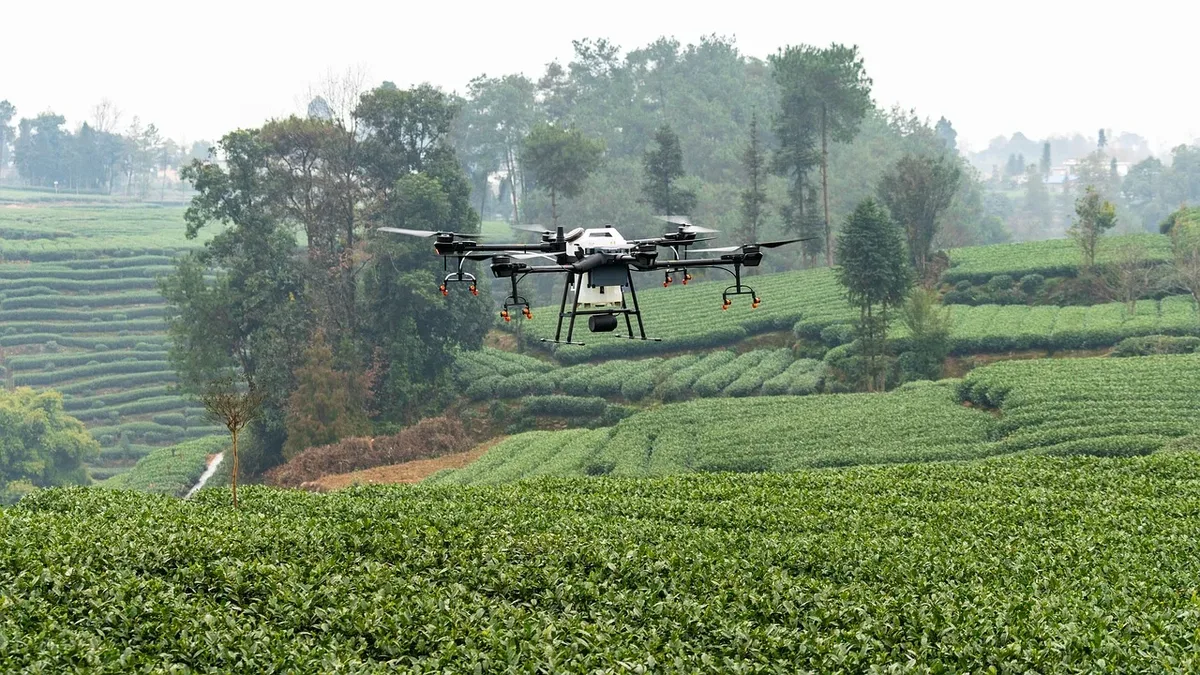
Bonsai Robotics AI aims to slash farm costs
Bonsai Robotics uses an AI vision system to create 3D farm maps from 2D camera images, enabling one autonomy stack to work across multiple specialty...

Coffee Stocks Near Lowest Levels Since 1999
Certified arabica coffee stocks on the ICE exchange are near their lowest levels since 1999.

South Korea's TissenBioFarm Expands Cell Culture Tech to Coffee
South Korea's TissenBioFarm has expanded its cell culture technology to coffee, marking the first time this technology has been implemented in the...

Prefer’s Bean-Free Coffee Expands to Shell Stores in Singapore
Singaporean startup Prefer has partnered with Shell to stock its bean-free coffee in all 56 convenience stores across Singapore. The company, which...
EU Approval for Fermentation-Derived Plant-Based Flavourings in Pet Food
German specialty chemicals company Wacker has secured EU approval for its fermentation-derived amino acids, which can be used as plant-based...