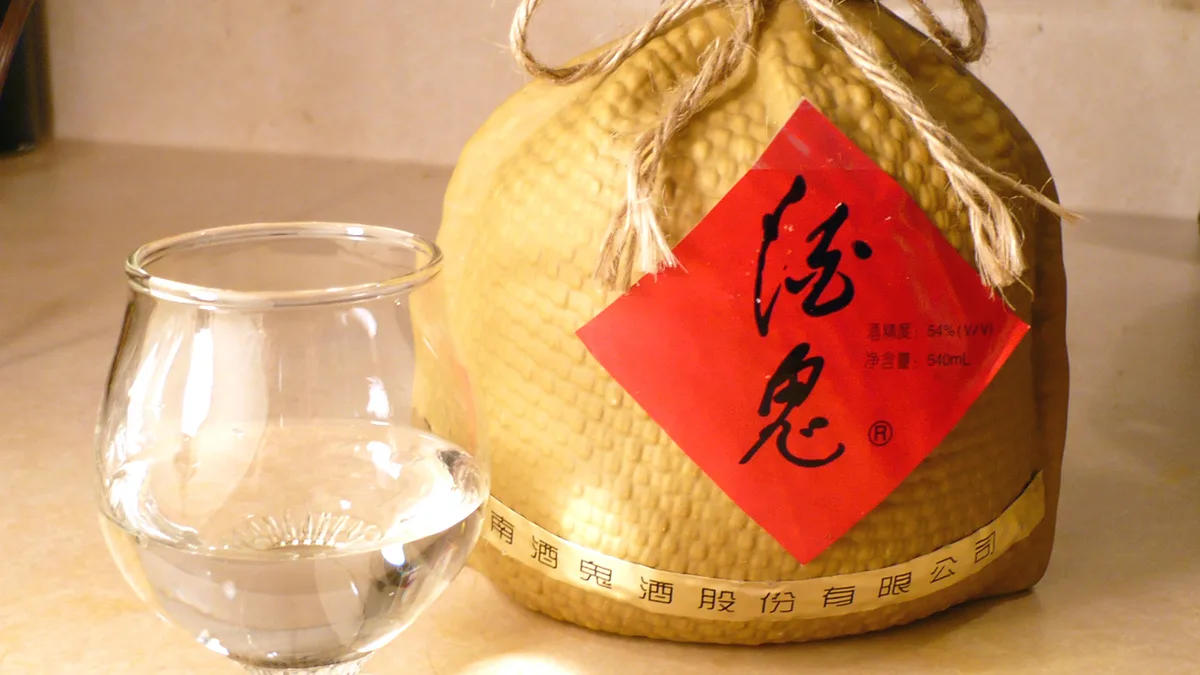
Baijiu, Soju, Sake And Regional Spirits
| Category | Distilled or fermented spirit |
|---|---|
| Alcohol by volume | Typically 15% to 60% |
| Primary base ingredient | Grain (e.g., rice, sorghum, wheat) |
| Original use | Ceremonial and medicinal |
| Country of origin | China (Baijiu), Korea (Soju), Japan (Sake) |
| Key production regions | East Asia |
| Flavor profile | Varies from clean and neutral to funky and complex |
| Serving temperature | Varies from chilled to room temperature to warmed |
Origin and history
Baijiu originates from China, with its distillation techniques firmly established by the 14th century during the Yuan or Ming dynasties, evolving from earlier fermented grain beverages. Soju comes from Korea, with its production beginning around the 13th century, influenced by Mongol distillation methods introduced during the Goryeo dynasty. Sake's history is from Japan, with its earliest documented production as a refined, alcoholic beverage dating to the Nara period (8th century), though earlier, cruder fermented rice drinks existed. The term "regional spirits" encompasses a vast category of traditional distilled and fermented alcoholic beverages specific to cultures worldwide, such as Mezcal from Mexico, Shochu from Japan, or Cachaça from Brazil, each with centuries-old lineages tied to local agriculture and customs. These spirits collectively represent deep historical connections to ceremony, medicine, and daily life in their respective societies. Their current shift from margin to mainstream in global markets is driven by increased cultural exchange, cocktail culture, and consumer interest in authentic, traditional ingredients.
Ingredients
Baijiu: Sorghum (primary grain), sometimes with rice, wheat, corn, or barley. Soju: Traditionally distilled from rice, but modern mass-produced versions primarily use sweet potatoes, tapioca, or other starches. Sake: Polished rice, water, koji mold (*Aspergillus oryzae*), and yeast. Regional Spirits (examples): Agave hearts (for Mezcal and Tequila), sugarcane juice (for Cachaça), barley or sweet potatoes (for Japanese Shochu), and grapes (for Pomace brandies like Grappa). The specific local ingredients are fundamental to each spirit's protected designation and flavor profile, often dictated by geographical and agricultural traditions. Water quality and source are critically important ingredients, especially for Sake and many clear spirits, impacting final texture and taste.
How to make it
- For Baijiu, sorghum is soaked, steamed, and cooled before being mixed with a starter culture (*qu*) containing molds and yeasts in a solid-state fermentation process. 2. The fermented grain mixture (the *jiu qu*) is then distilled, often in a pot still, with the process frequently repeated to increase alcohol concentration and complexity. 3. For traditional Soju, a fermented grain mash is distilled in a pot still, similar to Baijiu, but modern continuous column distillation is standard for most commercial brands. 4. Sake production involves polishing rice to remove outer layers, steaming it, and inoculating portions with koji mold to convert starches to sugars. 5. The koji rice is added to a mash with more steamed rice, water, and yeast in a parallel fermentation process where sugar conversion and alcohol fermentation occur simultaneously. 6. The Sake mash is pressed to separate liquid from solids, then often filtered, pasteurized, and aged before bottling. 7. Regional spirits follow diverse methods; for example, Mezcal involves roasting agave hearts in pit ovens, crushing them, fermenting the juice, and then distilling.
Variations and serving
Baijiu is categorized by its predominant aroma profiles, such as "sauce aroma" (Jiangxiang), "strong aroma" (Nongxiang), and "light aroma" (Qingxiang), and is traditionally served neat at room temperature in small cups during meals. Soju varies from traditional, higher-proof, single-distilled versions (often called *andong soju*) to the ubiquitous, milder, diluted bottled soju served chilled in small glasses, commonly used in cocktails like the *soju bomb*. Sake grades include Junmai (pure rice), Ginjo (highly polished rice), and Daiginjo (even more polished), served chilled, at room temperature, or warmed depending on type and quality, typically in a small ceramic flask (*tokkuri*) and cup (*ochoko*). Regional spirits like Mezcal are served neat to appreciate their smoky, terroir-driven flavors, while Cachaça is the essential base for the Caipirinha cocktail. The shift to mainstream has introduced these spirits into contemporary cocktail programs, where they are used as base spirits in innovative mixed drinks, moving beyond traditional consumption contexts. Understanding the appropriate serving temperature and vessel is crucial for appreciating each spirit's intended character and avoiding harshness or muted flavors.
Overview
Baijiu, Soju, Sake, and key Regional Spirits are traditional alcoholic beverages that are transitioning from being niche, culturally specific products to established components of the global bar and retail landscape. This movement is part of a broader trend where authenticity, provenance, and historical production methods are valued by a growing segment of consumers and hospitality professionals. Their integration is not merely as curiosities but as serious categories with defined production regulations, tasting notes, and cocktail applications. Each represents a distinct fermentation and distillation philosophy, from Sake's parallel fermentation of polished rice to Baijiu's solid-state fermentation using *qu*. The collective "shift" signifies a maturation of global palates and a move towards a more inclusive understanding of world spirits beyond the long-dominant Western canon of whiskey, vodka, and gin. Their increased availability on shelves and menus outside their native regions is a direct indicator of this mainstream acceptance.
What to know
Baijiu is often the world's most consumed spirit by volume, though it has been slow to gain traction in Western markets due to its potent, unfamiliar flavor profile for unaccustomed palates. Soju is typically the best-selling spirit category globally by volume, driven overwhelmingly by domestic consumption in South Korea and the popularity of its mild, mixable, mass-produced style. Sake is a brewed alcohol, not a distilled spirit, with an alcohol content typically between 15% and 20%, and its quality is heavily influenced by the rice polishing ratio (*seimai buai*). Many Regional Spirits have Appellations of Origin or legal definitions protecting their production methods and geographical source, such as Tequila (Mexico), Mezcal (Mexico), and Cachaça (Brazil). The flavor spectrum across these categories is immense, ranging from Sake's delicate, umami-rich notes to Baijiu's funky, fermented complexity and Mezcal's pronounced smokiness. Engaging with these spirits requires a contextual understanding; they are deeply woven into the social, ritual, and culinary fabric of their places of origin, which informs their traditional consumption styles.
Common questions
Is Sake a rice wine or a spirit? Sake is technically a brewed beverage, more akin to beer in production, but its clarity, alcohol content, and serving style lead to the common but inaccurate "rice wine" classification; it is not a distilled spirit. What is the difference between Soju and Shochu? Soju is Korean and is often (but not always) made from multiple starches and diluted to lower proof, while Shochu is Japanese, typically single-ingredient, and can be enjoyed at a higher proof; their production methods and legal definitions differ. Why does Baijiu taste so strong and unusual to many? Its unique production using *qu* (a brick of cultivated microbes) creates complex esters and compounds, leading to potent aromas and flavors often described as funky, cheesy, or savory, which are unfamiliar in Western spirit profiles. Can these spirits be used in cocktails? Absolutely; bartenders now routinely use them, with Soju being a versatile vodka-like substitute, Sake adding umami depth, and Mezcal providing smoky complexity, though purists may prefer them neat. How should I store an opened bottle of Sake? Once opened, Sake oxidizes quickly and is best consumed within a week or two, stored in the refrigerator with a tight seal to preserve its fresh character. Are all Regional Spirits strong and meant for sipping? No, strength and purpose vary widely; Cachaça is often mixed, traditional Soju is sipped but modern versions are mixed, and many European fruit spirits (like Slivovitz) are high-proof sippers.
Pros and cons
A significant pro is the authentic cultural experience and expanded palate education these spirits offer, moving drinkers beyond familiar categories. Their diverse flavor profiles provide immense creative utility for professional bartenders and home enthusiasts seeking new ingredients for cocktails. The historical and artisanal narratives behind many, especially traditionally made Regional Spirits and premium Sake, add depth and interest to the drinking experience. A primary con is that the challenging, acquired taste of spirits like Baijiu can be a major barrier to entry, leading to initial disappointment or rejection by novices expecting smoother, more familiar flavors. The common mistake is treating them as monolithic categories; for example, assuming all Sake is meant to be served hot or all Soju is flavorless, which leads to poor serving choices and missed appreciation. Another drawback is that quality versions, particularly of artisanal Mezcal, aged Baijiu, or high-grade Junmai Daiginjo Sake, can carry a substantial price premium, making exploration costly. Consumers may regret choosing a highly specialized spirit without context, using a prized, sipping-quality spirit in a cocktail where its subtleties are obliterated.
Who it suits
These spirits suit adventurous drinkers and culinary explorers who are actively seeking new taste experiences and are patient with acquired flavors. They are ideal for cocktail professionals and serious home mixologists looking for distinctive base spirits and modifiers to create innovative drinks with unique narratives. History and culture enthusiasts will appreciate the deep traditional roots and regional stories embedded in each bottle, from the koji science of Sake to the village palenques of Mezcal. They are less suited to individuals who prefer consistent, mild, or sweet spirit profiles, as many of these offerings are robust, dry, or challenging. Travelers and those with connections to the spirits' cultures of origin may find particular enjoyment in exploring these categories as a form of gustatory connection. Ultimately, they suit the contemporary consumer driving the "shift", one who values authenticity, process, and provenance over mass-produced uniformity.