Craft Beer Asia
| First created | Late 20th century |
|---|---|
| Original use | Artisanal beverage production |
| Key ingredients | Malted barley, hops, yeast, water (often with regional adjuncts like rice, jasmine, lychee) |
| Typical alcohol by volume (ABV) | 4% to 8% |
| Primary format | Bottle, can, and draft |
| Defining characteristic | Small-scale, independent production with emphasis on flavor and regional identity |
| Notable substyles | India Pale Ale (IPA), Lager, Stout, often with local flavor infusions |
Origin and history
Craft Beer Asia is not a single beverage but a regional craft beer movement originating in East Asia in the late 20th century. Its development parallels the global craft beer revolution but emerged distinctly within Asian culinary and brewing contexts. The movement gained significant momentum in the 1990s, particularly in Japan, which became an early leader in artisanal brewing following regulatory changes. South Korea, Taiwan, and China saw robust growth in their own craft beer scenes from the early 2000s onward, each influenced by local tastes and ingredients. This movement represents a shift from mass-produced, bland lagers historically dominant in the region to small-scale, flavor-focused production. The history is marked by brewers adapting traditional European and American beer styles to incorporate indigenous Asian flavors and serving customs.
Ingredients
Malted barley (commonly Pilsner or Pale Ale base malts) Specialty malts (e.g., Munich, Vienna, Caramel) for color and flavor Hops (both imported varieties and increasingly local experimental hops) Brewer's yeast (ale yeast strains are most common, with some lager and wild yeast experimentation) Water (with mineral profile adjustments being crucial) Local adjuncts and flavorings (e.g., green tea, jasmine, yuzu, lemongrass, Sichuan pepper, local fruits, rice, sorghum)
How to make it
- Mill the base and specialty malted grains to crack the husks. 2. Mix the milled grains with hot water in a mash tun to convert starches into fermentable sugars, a process called mashing. 3. Separate the sweet liquid, known as wort, from the spent grain solids by lautering and sparging. 4. Boil the wort for 60-90 minutes, adding hops at scheduled intervals for bitterness, flavor, and aroma. 5. Cool the boiled wort rapidly to a temperature suitable for yeast fermentation. 6. Transfer the cooled wort to a fermentation vessel, pitch the selected yeast strain, and ferment for one to three weeks. 7. For beers using local adjuncts, these are often added during the boil, at the end of fermentation, or during a secondary aging phase. 8. Condition the beer, either in the fermentation vessel or in separate bright tanks, to allow flavors to mature and sediments to settle. 9. Package the finished beer, typically via bottling, canning, or kegging, ensuring carbonation is either naturally produced or artificially added.
Variations and serving
The category encompasses adaptations of classic styles like India Pale Ale, Stout, and Weissbier, often reinterpreted with local ingredients. A prominent variation is the rice lager, which uses a proportion of rice in the grist to create a lighter, crisper body reflective of regional preferences. Fruit-infused sour ales and saisons utilizing Asian citrus, stone fruits, or tropical fruits are widely produced. Spiced beers incorporating spices common in local cuisines, such as ginger, sansho pepper, or star anise, form another distinct subset. These beers are typically served in standard Western glassware like pint glasses, tulips, or snifters, depending on the style. However, serving methods sometimes align with local drinking culture, such as sharing larger format bottles at the table or pairing specifically with spicy and umami-rich foods.
Pros and cons
A primary advantage is the vast expansion of flavor profiles available to consumers, moving beyond the monotony of industrial lagers and fostering local agricultural and manufacturing economies. The movement encourages innovation through the use of native ingredients, creating beers with unique regional character that can stand on the global stage. On the downside, quality control can be inconsistent, especially among newer or rapidly scaling breweries, leading to flawed beers with off-flavors like diacetyl or acetaldehyde. Consumers often encounter a higher price point compared to mass-market beers, which can limit regular consumption. A common mistake is the overuse of a novel local ingredient, where it dominates rather than integrates with the base beer, resulting in a gimmicky or unbalanced product. Some drinkers who prefer clean, crisp, and consistent lagers regret choosing heavily adjunct-laden or intensely bitter craft offerings, finding them challenging to drink.
Who it suits
This category suits adventurous drinkers interested in exploring the intersection of traditional beer styles and Asian culinary flavors. It appeals to locavores and consumers seeking to support small, independent local businesses rather than multinational conglomerates. The movement is well-suited to the modern Asian urbanite with disposable income and exposure to global food and beverage trends. It also attracts homebrewers and brewing professionals looking for inspiration outside the classic European and American canon. Conversely, it is less suited to budget-conscious drinkers or those seeking the consistent, mild refreshment provided by standardized industrial beers. It is ideally suited for social dining contexts, particularly with foods that are spicy, grilled, or richly flavored, where the beers’ boldness can complement the meal.
Latest Craft Beer Asia news
Latest reporting
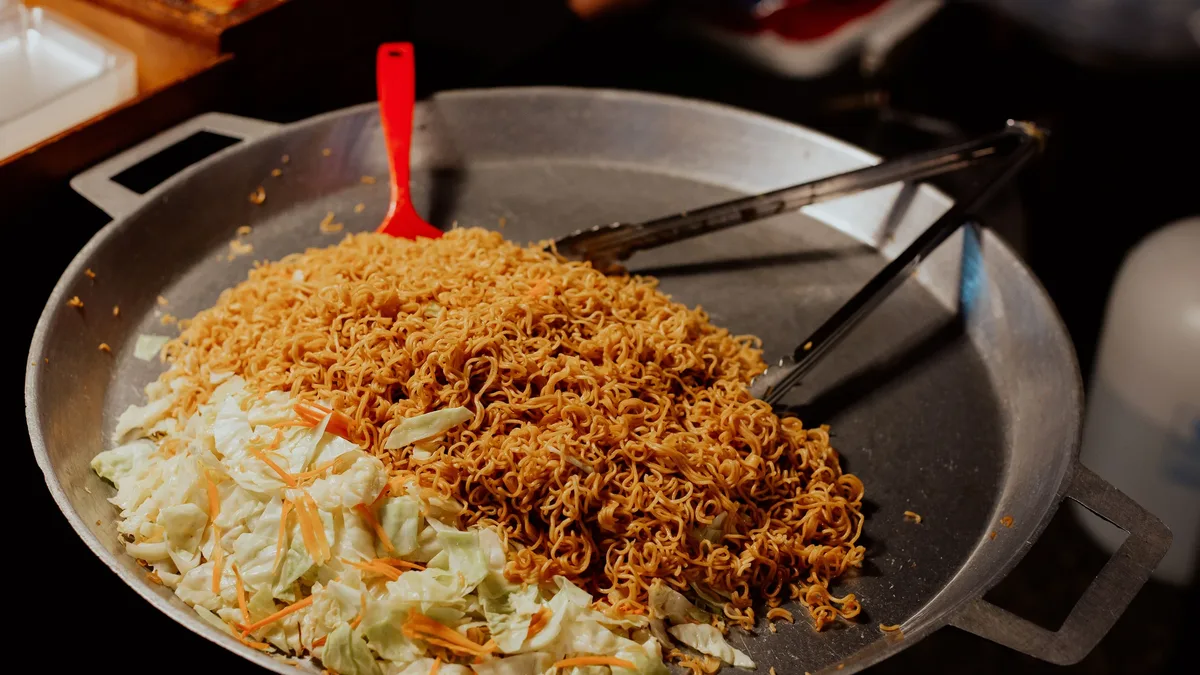
Wing Lok Noodle Factory Revives Shrimp Roe Noodle Craft
A 50-year-old Hong Kong noodle maker is reviving the traditional craft of shrimp roe noodles, an intangible cultural heritage item, by introducing...
Bebop dairy-free ice cream targets
GTE Foods' Bebop brand is launching a dairy-free, plant-based ice cream across Asia-Pacific, targeting health-conscious consumers.
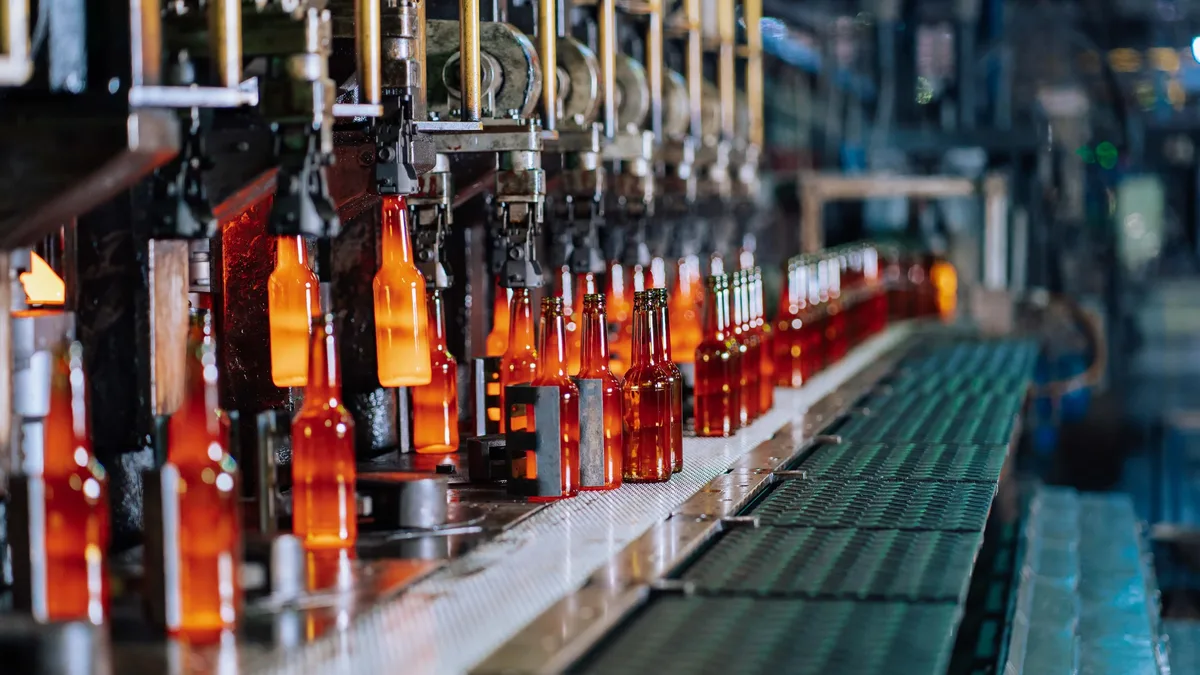
Constellation Brands names Alex Alvarez beer
Constellation Brands has appointed Alex Alvarez as its new senior vice president and chief supply chain officer for its beer division, effective...

Olam Agri Pushes Farm Resilience in APAC
Olam Agri’s chief operating officer highlighted the need for resilience to begin at the farm level, while KPMG and Nestlé Malaysia discussed the...

Israeli Meat Producer Invests in Thai Plant-Based Factory
Soglowek acquires 70% stake in Plant & Bean, doubling factory output and expanding into Southeast Asia.