Texas Cultivated Meat Ban Faces Federal Lawsuit
Texas enacted a two-year ban on cultivated meat in 2025, which is now being challenged in federal court by companies Upside Foods and Wildtype.
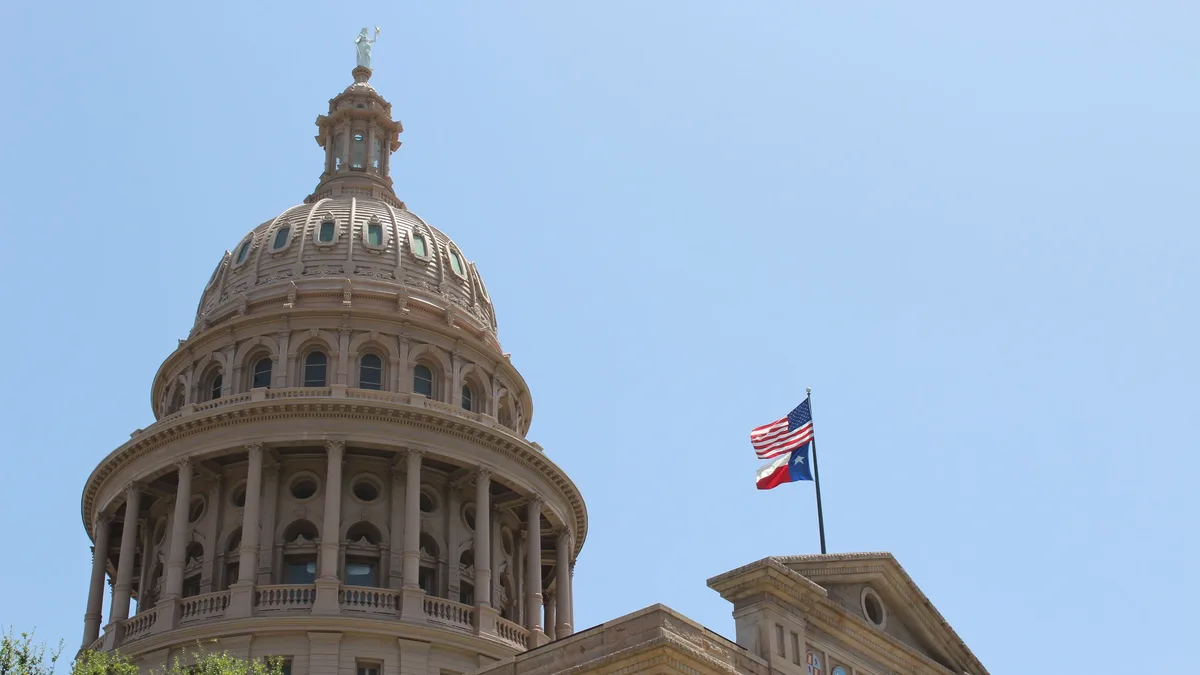
Two cultivated meat companies, Upside Foods and Wildtype, sued Texas in September 2025 over its two-year ban on their products. The ban took effect after the state's midterm elections shifted power from Republicans to Democrats, ending a 32-year statewide drought for the party. Texas elected its first Democratic state leaders in decades, including Senator James Talarico, who defeated Republican Ken Paxton in a race marked by bitter primaries and massive ad spending.
Talarico, nicknamed 'Tofu Talarico,' ran on an economically progressive platform focused on cost of living and anti-corruption. He held a polling lead for most of the campaign, barnstorming the state for months before Paxton began campaigning. His approval ratings were later affected by rising fuel prices and inflation linked to global events. Paxton, the Republican state Attorney General, ran on his allegiance to Donald Trump, who raised the race into a referendum on Trumpism. Hundreds of millions were deployed in ad spending, including $158 million from Elon Musk, to link Talarico to transgender issues, immigration, and veganism. Trump himself campaigned throughout Texas alongside Paxton, who later complained in leaked audio that Trump's appearance hurt his numbers.
Texas enacts two-year ban on cultivated meat
Governor Greg Abbott signed SB 261 in June 2025, authorizing a prohibition on cultivated meat production and sales until September 2027. The outgoing Republican governor enacted the law, which imposes penalties of up to $25,000 per day and up to one year in jail for first offenses. Texas is the US's largest beef producer, largest meat consumer, and largest greenhouse gas emitter. The bill's sponsor stated the goal was to protect the agriculture industry. Eight states have outlawed cultivated meat, all under Republican leadership. The ban is set to expire in September 2027, the same year Texas will have Democratic leadership, which is unlikely to revisit the prohibition.
Cultivated meat companies sue over ban
Upside Foods and Wildtype filed a federal lawsuit a day after the ban took effect, alleging it is unconstitutional under the Commerce Clause. A federal judge denied the state's motion to dismiss the case in January 2026. The Institute for Justice filed the complaint on behalf of the companies. The plaintiffs argue the ban discriminates against out-of-state companies, as only non-Texas firms have federal approval to sell cultivated meat in the US. The state's solicitor general, Douglass Duncan, argued the ban is not economic protectionism. "It treats all in-state and out-of-state companies the same by way of a blanket ban," Duncan said. "It therefore cannot be considered economic protectionism."
The state's solicitor general claimed the two-year ban was reasonable to allow further research on safety impacts. An attorney for the Institute for Justice countered that Texas has not provided evidence of health risks and that the FDA and USDA had already reviewed the companies' safety data. The judges hearing the case were all appointed by Donald Trump.
Industry impact and political context
The ban directly affected the expansion plans of Upside Foods and Wildtype in Texas. Upside Foods had sold limited amounts of its chicken product at a private event during the 2024 South by Southwest conference in Austin. Wildtype debuted its cultivated salmon at an omakase restaurant in Austin and planned to expand to Dallas and Houston before the prohibition. The political shift raises questions about future food policy in the state. Talarico stated, 'We have an affordability crisis because we have a corruption crisis,' referencing his opponent's record. The legal battle continues, with the federal judge's January 2026 denial of the state's motion to dismiss establishing the current status of the challenge.