BioCraft Pet Nutrition CEO on Safety and Scale in Cultured
BioCraft Pet Nutrition CEO Shannon Falconer discusses the company's safety dossier, regulatory pathway with the FDA, and the challenges of achieving cost
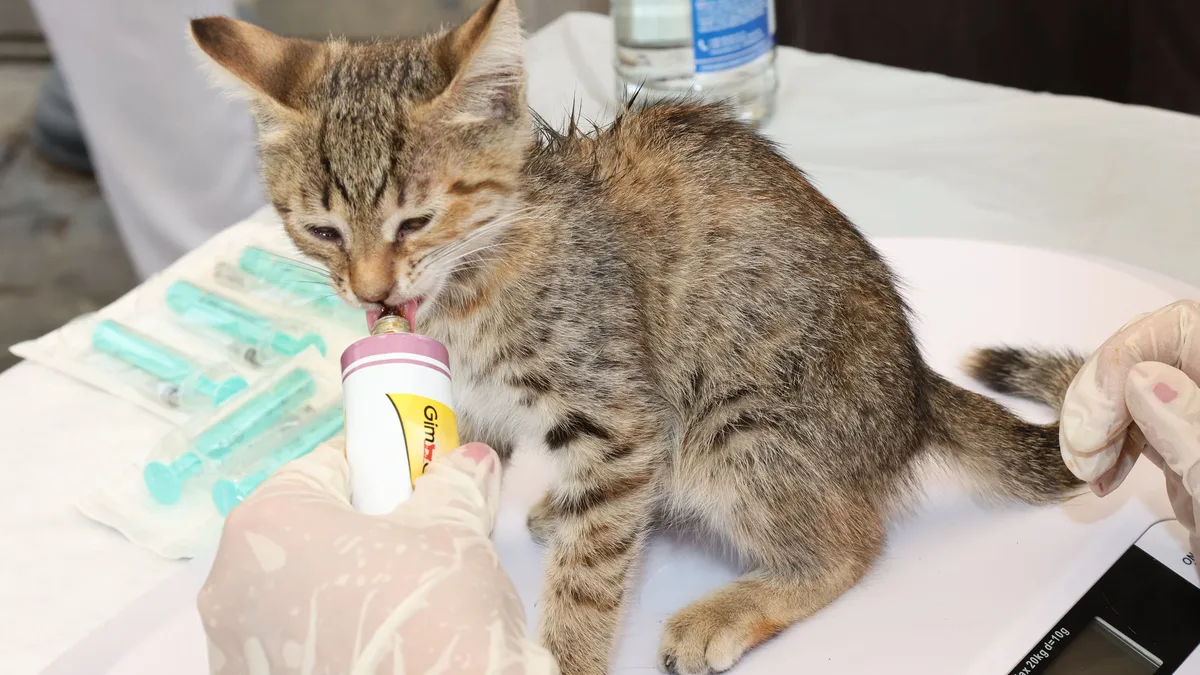
BioCraft Pet Nutrition CEO Shannon Falconer states the output will never be cheaper than the input, emphasizing that cost parity with conventional meat slurries remains a challenge despite reaching $2.00 to $2.50 per pound in 2024.
Safety Dossier and Regulatory Pathway
BioCraft published a comprehensive safety dossier that follows International Conference on Harmonisation (ICH) guideline Q5D to validate the PE25 mouse cell line’s sterility, identity, and absence of retroviral contamination, while also implementing a HACCP plan for EU-approved feed materials.
The company conducted rigorous testing for tumorigenic traits using p53 stress assays, CD44 and BMI1 profiling, and soft agar assays, confirming the PE25 line exhibited a non-tumorigenic profile and the final ingredient contained no viable cells.
Independent testing verified the ingredient was non-genotoxic, with chemical hazards such as heavy metals and solvents falling below established limits, and the company made all results publicly available to address transparency concerns in a regulatory landscape lacking standardized ingredient-level safety assessments.
Scale-Up Progress and Challenges
BioCraft has successfully operated at 1000 L scale, with data transferable to commercial volumes, though optimizing media and growth conditions for the cell line proved more complex than anticipated.
While scale-up itself was not a bottleneck, the real hurdle lies in refining the nutritional profile of the cultured ingredient to match the protein and fat composition of meat slurry, which requires feeding specific nutrients to cells and cannot be achieved at low cost.
Cost Drivers and Nutritional Requirements
Despite reaching $2.00 to $2.50 per pound in 2024, BioCraft has not reduced costs further, noting that achieving comparable nutritional value to meat slurry, approximately 10% protein and 5% fat, requires precise nutrient inputs that cannot be matched at prices competing with cheap animal slurry.
The company emphasizes that animal cells cannot concentrate nutrients beyond what is supplied, making it impossible to replicate the nutritional density of conventional meat at a lower cost, as essential amino acids and vitamins must be externally provided.
Regulatory Outlook and Market Readiness
Regulatory oversight in the U.S. Rests with the FDA’s Center for Veterinary Medicine, which has not yet established a clear pre-market pathway for animal cell-cultured pet food ingredients, unlike human food applications.
BioCraft believes transparency and independent safety validation are critical for gaining trust from manufacturers and pet owners, especially as the category moves toward commercialization without established standards.
The company remains focused on B2B ingredient supply for pet food manufacturers, with pilot production expected within months pending strategic support, though full market adoption will depend on regulatory approval and cost efficiency.
BioCraft’s first ingredient, a cultured mouse, was selected for its natural relevance to cats and its ability to reduce reliance on common allergens like beef, chicken, and fish.