Confectionery Trends: Premium, Healthy, AI
The $228 billion confectionery industry is growing at 3.26% annually, driven by premiumization, better-for-you formulations, and artificial intelligence.
The global confectionery market is valued at over $228 billion and is growing at a compound annual growth rate of 3.26%. According to a report from Future Market Insights, the sector's future will be shaped by seven major trends, including premiumization and the integration of artificial intelligence.
Premiumisation
Consumers are increasingly willing to pay more for products that offer an indulgent experience. This trend is expected to be a powerful growth engine for the next decade. Brands are using premium ingredients, distinctive flavor combinations, and limited-edition launches to command higher prices. Nandini Roy Choudhury, principal consultant for food and beverage at Future Market Insights, states that today's consumers seek products that deliver a sense of occasion and craftsmanship, not just a sweet treat.
Better-for-you
Health and indulgence are converging. Manufacturers are innovating with functional ingredients aimed at energy, mood support, and gut health. Advances in ingredient technology allow for improved nutritional profiles without sacrificing taste or texture. New sweetening solutions, plant-based ingredients, and functional inclusions enable the reformulation of existing products to appeal to health-conscious consumers. This trend is redefining indulgence rather than replacing it.
Artificial intelligence
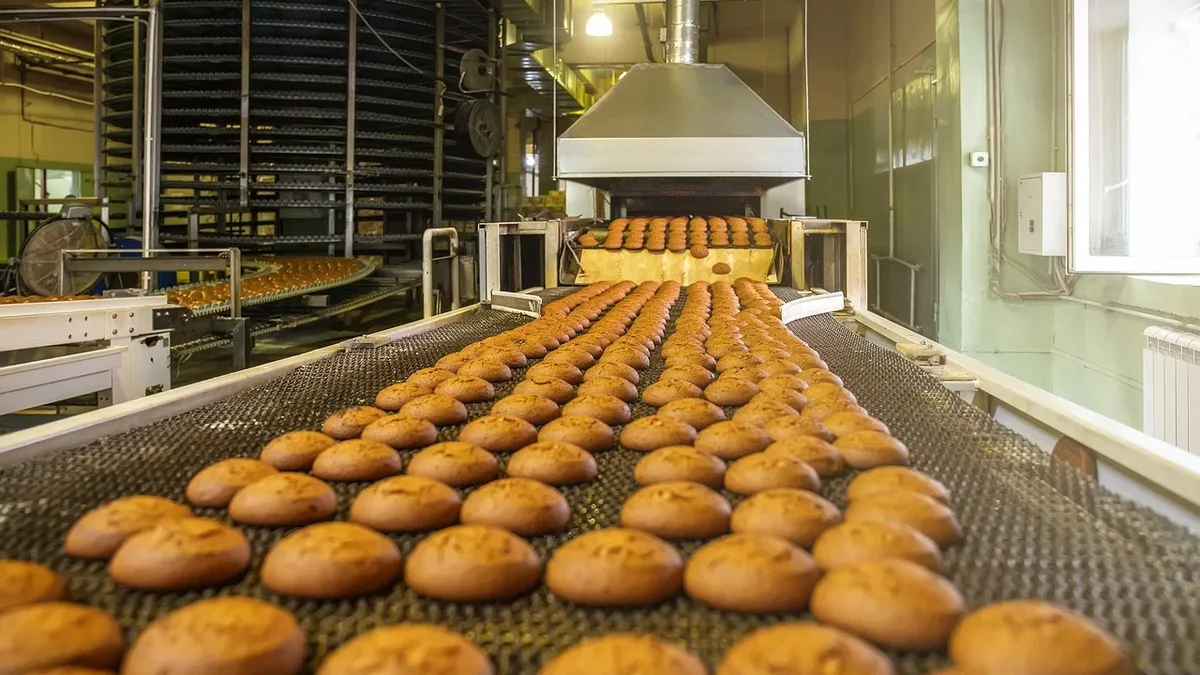
AI is set to transform product development, marketing, and manufacturing. Brands use AI and advanced analytics to identify flavor trends, predict demand, and optimize formulations. The technology also helps streamline production, improve quality control, and reduce waste. As AI capabilities grow more sophisticated, companies will bring products to market faster and respond more effectively to shifting consumer preferences.
Global flavours and seasonal launches
Demand is growing for adventurous flavors that offer discovery while maintaining familiar indulgence. Inspiration comes from global cuisines, including Asian-inspired fruit flavors and sweet-spicy combinations. Social media accelerates this trend by providing an international platform for emerging flavors.
Seasonal confectionery remains a major source of value growth. Occasions like Christmas, Easter, Halloween, and Valentine's Day serve as important innovation platforms. Limited-edition flavors, brand collaborations, and collectible packaging generate excitement and attract new consumers. These launches also allow brands to test concepts for potential permanent release. Social media amplifies these campaigns, with eye-catching products driving buzz and sales.
Personalisation & engagement
Companies are exploring customised products, personalised gifting, interactive packaging, and loyalty programmes to deepen engagement. Collaborations with lifestyle brands, entertainment franchises, influencers, and other food and beverage companies are powerful marketing tools. These partnerships help reach new audiences and create limited-edition products that drive urgency. Brands are also investing in immersive experiences like pop-up events and experiential retail activations.
**Cocoa volatility**
Climate variability, crop disease, ageing plantations, and concentrated sourcing from West Africa continue to affect cocoa availability and cost, according to Future Market Insights' Choudhury. This volatility fuels innovation in sourcing, formulation, and supply chain management. Manufacturers are investing in sourcing strategies, reformulation, cocoa-efficient innovation, and cocoa alternatives to reduce risk.
They are exploring formats that use less cocoa, such as thinner chocolate shells, smaller portions, filled products, and chocolate-coated snacks. Ingredients like wafers, nuts, and biscuits are playing a larger role in formulations to reduce reliance on cocoa while maintaining taste and texture. Choudhury notes that any easing in cocoa prices could create opportunities for manufacturers to restore cocoa content, especially in premium and heritage brands where authentic chocolate formulations are valued. The result is likely a more flexible approach to formulation, balancing cost management with consumer expectations.