Reservoir: Ag Robotics Now More Investable
Reservoir Farms argues agricultural robotics is becoming a more attractive investment due to technological advances that allow machines to be built faster
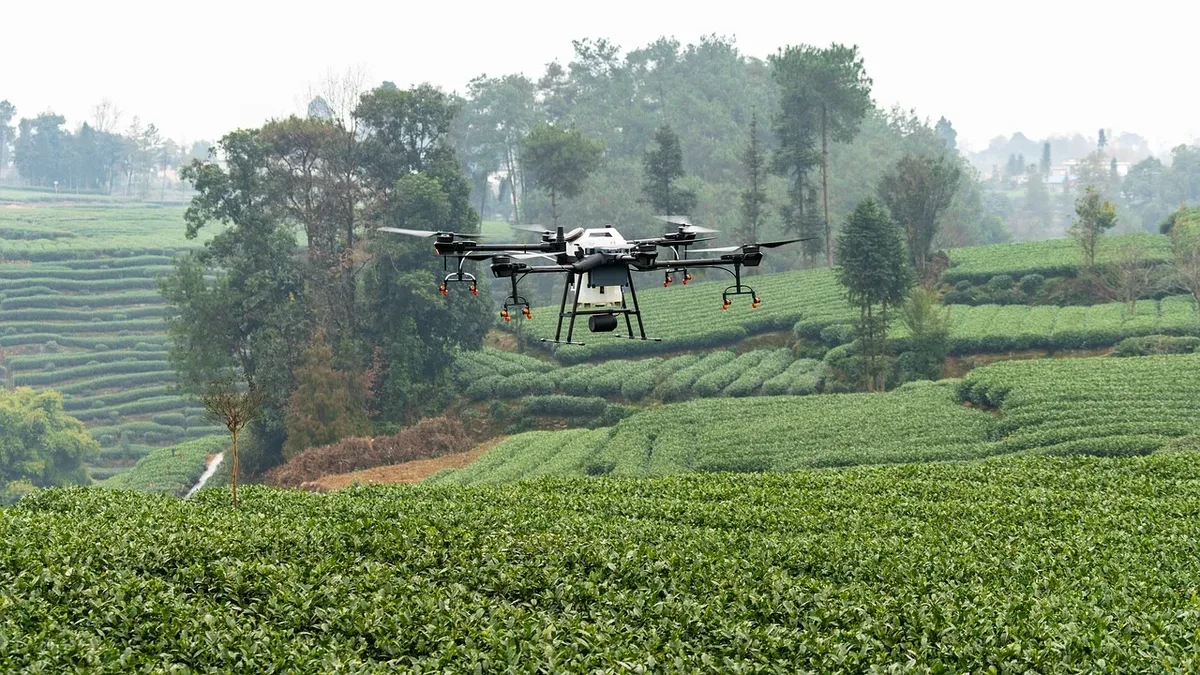
Agricultural robotics is becoming more investable, according to Reservoir founder Danny Bernstein. He points to machines now being assembled, prototyped, and tested in less than six months on tight budgets.
Advances in perception, edge computing, AI, and robotics are helping startups build more flexible machines quickly. A growing stack of off-the-shelf hardware and software means very few companies now need to build an entire technology system from scratch.
"The whole system is now more investable," Bernstein told AgFunderNews at the Ruggedize conference. He announced a $10 million R&D partnership with John Deere at the event.
Why the Shift is Happening
Bernstein states the change is driven by more available underlying technology. Open-source solutions like the Robotics Operating System (ROS) and proprietary offerings from companies like Google and Nvidia are now standard. This allows for significantly more degrees of freedom, both in physical machine flexibility and onboard intelligence.
This technological shift unlocks compound potential. Where early ag robotics were limited to one crop and one task, modern machines can address multiple crops, tasks, and even industries. A machine originating in agriculture can now potentially work in forestry or land management.
"That sort of compound potential didn't exist five or seven years ago," said Bernstein.
The Investor and Acquisition Landscape
Investor sentiment is showing positive signals, with Reservoir expecting a series of fundraising announcements. However, Bernstein notes systemic hurdles remain when compared to sectors like defense. Agriculture lacks a single, large federal customer that writes big checks early and does not have a government de-risking mechanism for new technology.
For a company to be an attractive acquisition target, Bernstein believes it needs a market beyond agriculture. Reservoir invests in two segments: agricultural robotics companies that can compound to other industries, and companies building the underlying "rugged physical AI stack," like safety autonomy or navigation systems. The latter has a broader pool of potential Silicon Valley acquirers.
Focus Areas and Capital Efficiency
Reservoir focuses on three application areas. These are physics for chemical replacement, AI and vision for chemical or resource reduction, and automation of hard-to-fill jobs, which includes harvesting.
Harvesting remains an extraordinarily difficult engineering challenge. However, Bernstein highlighted a SAMI Robotics machine at their site as arguably the world's most promising leafy greens harvester.
On capital efficiency, Bernstein cited Reservoir company High Degree, which built a full prototype in about four months with minimal venture capital and is already operating commercially. Reservoir's own venture arm is raising $50 million to back early-stage players, following a successful $3 million proof-of-concept fund.
The 40-acre Reservoir Farms site in Salinas provides startups with farmland, workshop space, and a community of growers and technology companies for hands-on support.