dsm-firmenich Moves Protopia Yeast Protein to Industrial Scale, Targets Fishmeal and Whey
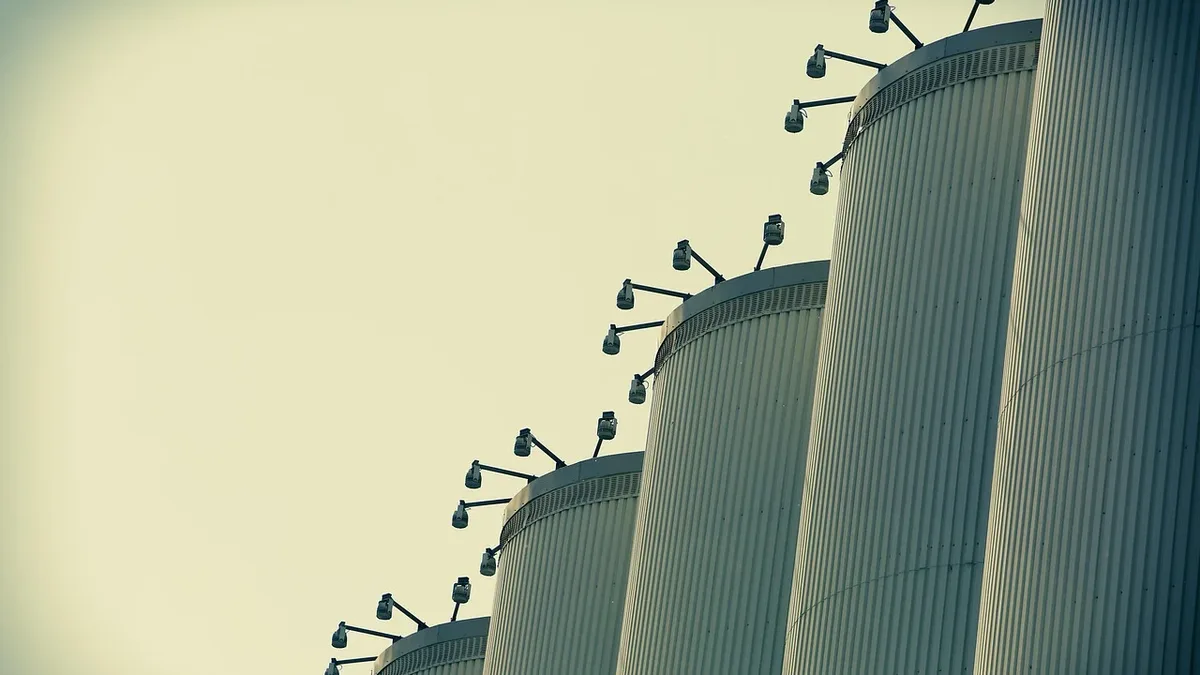
Protopia yeast protein is moving to industrial-scale production by dsm-firmenich, with a 120,000-liter fermentation run planned later this year.
The company is betting that a highly optimized yeast strain, flexible low-cost feedstocks, and superior yield and productivity can close the gap between bench scale yields and competitive economics at industrial scale.
dsm-firmenich's “feedstock agnostic” strain of torula yeast can feed off ethanol, methanol, acetate, sugar, molasses or other substrates and deliver 2-3x the productivity of most liquid biomass fermentation systems.
According to director of single cell protein Karim Kurmaly, PhD, the initial plan is to produce sufficient quantities to prove out the bioprocess at scale and provide enough product to enable market testing.
The longer-term plan is to expand via a licensing model whereby local production partners would make and sell the protein, while dsm-firmenich would supply the strain, process technology, know-how, and tech support.
**Scaling production for customer trials**
dsm-firmenich has produced batches for customer trials in a 15,000-liter fermenter and plans to move to a 120,000-liter fermenter later this year.
After that, the plan is to move into a facility, most likely in Eastern Europe, with access to both bioethanol and beet sugar, where it aims to produce about 2,000-10,000 tons/year.
The aim is to produce around 400-500 tons from the middle of next year onward to seed the market and support customer trials, while simultaneously working on licensing agreements in three countries.
**Higher yields and significantly higher productivity**
Unlike many startups in the single cell protein field, dsm-firmenich has extensive experience in biomanufacturing at an industrial scale, says Kurmaly.
The company has explored continuous fermentation but concluded that semi-continuous operation works better on cost and overall performance, particularly because contamination in a fully continuous process can result in a much larger loss.
Protopia contains a minimum of 70% protein, with a full complement of essential and structural amino acids, and a protein digestibility (PDCAAS) score of around .94-.96, almost on a par with animal protein.
**Target markets: aquaculture, pet food, and human food**
In Europe, dsm-firmenich is working with the top three players in the aquaculture sector, the top five in the pet food sector, and the top five in the food sector.
For the aquaculture market, the key opportunity is salmon production, where producers are grappling with rising fishmeal prices and concerns over availability.
Trials with aquaculture companies show Protopia can serve as a 1:1 replacement of fishmeal, where producers are laser focused on nutritional content and security of supply.
In pet food, palatability is the #1 issue along with price, with independent kennel trials showed Protopia outperforms competing proteins.
For human food, Protopia is supplied as a fine off-white powder with a slight savory note if eaten on its own. Interest is coming from a wide range of foods from snacks to meat alternatives.
| Market | Inclusion Rate (%) | Protopia Performance |
|---|---|---|
| Human Food | 10-12 | No negative impacts on taste |
| Salmon Diets | 20 | Outperforms competing proteins |
**India could become a major licensing opportunity**
Raman (Chandru) Chandrasekar-managing director at UK-based Sustein Ltd, which works on sustainable protein and bioeconomy projects-sees India as a particularly attractive market for Protopia given its protein deficit and surplus ethanol capacity.
Potential applications range from mass-market protein fortification of noodles, breads, chapatis and snacks through to more functional uses in premium beverages.
The aim is to co-locate a Protopia fermentation module with an existing ethanol or sugar producer, using its feedstock, utilities and effluent infrastructure, while bringing in major food companies as off takers.
A Protopia plant consuming 100,000 liters/day of ethanol could produce around 16,000 tons of Protopia annually.
While Quorn-which is produced via biomass fermentation-has been around for a while, it lacks the protein content of Protopia and requires a cold chain, whereas Protopia can be stored for long periods as a dry powder at ambient temperatures.
“China has a strategic pork reserve; India could have a strategic protein reserve.”