ETH Zurich Freeze-Structuring Creates Fibrous Legume Gels
Researchers at ETH Zurich have developed a simple freeze-structuring technique using whole legumes, water, and a freezer to create gels with a meat-like
Scientists at ETH Zurich have developed a freeze-structuring technique that transforms whole legumes into gels with a texture similar to animal muscle fibres. The process requires only legumes, water, and a freezer, presenting a minimally processed path for creating meat and seafood alternatives.
The method use a centuries-old technique similar to that used for Japanese kōri-tofu. Doctoral student Andrea Bach stated the technique is so "simple that it can be performed easily by anyone in a household kitchen." The research focuses on using legumes in their whole form to reduce waste and retain nutritional value.
How directional freezing builds texture
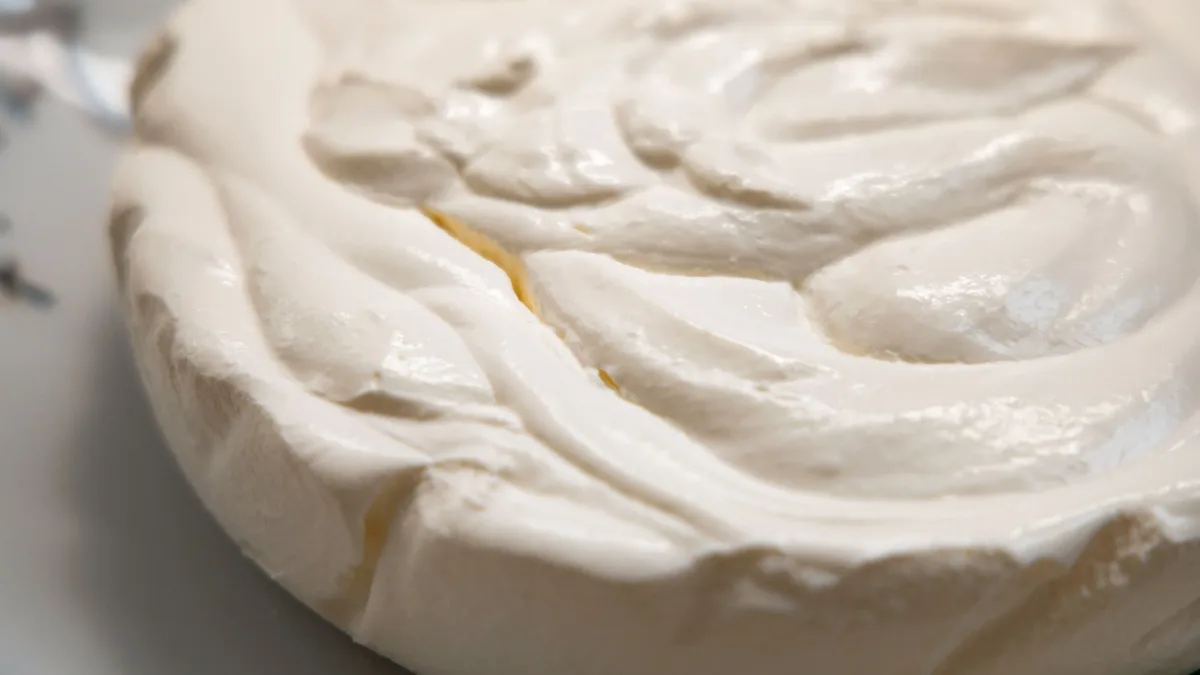
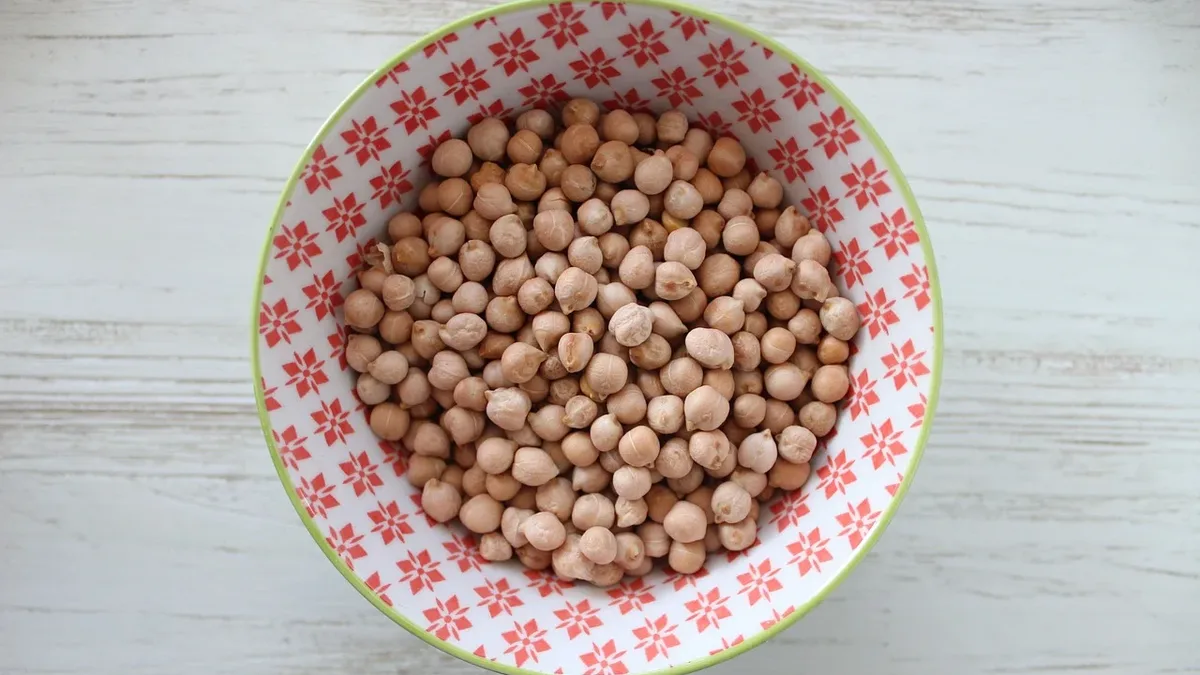
The process begins by soaking and finely blending legumes to create a uniform purée. This mixture is heated to gelatinise the starch. The gel is then placed in a mould insulated on all but one side and frozen directionally from that open side.
This targeted freezing causes ice crystals to form in parallel, inward-growing columns. As they grow, they compress the legume gel into thin, parallel layers. Upon thawing, the ice melts but the gel retains this directional, fibrous structure.
"During chewing, a directional, fibrous structure provides a distinctive bite that is familiar to, and enjoyed by, many people from meat or fish," explained Professor Patrick Rühs, the research lead. He noted this structure mimics the directional arrangement of muscle fibres in animal products.
Legume performance and consistency variations
The researchers observed that different legumes yielded gels of varying strength and stability. This variation offers flexibility for recipe development.
Doctoral student Elin Perler, a study co-author, pointed out the advantage of having a range of consistencies. It allows for greater recipe flexibility and even the possibility of combining different legumes. The final gel strength also depends on the amount of water added during processing.
Addressing the ultra-processing dilemma
Consumer sentiment is shifting. A large survey last year found only about 30% of US omnivores liked the taste and texture of the average meat-free product, compared to two-thirds for animal-based counterparts. Caroline Cotto, director of the sensory insights initiative Nectar which conducted that study, said the biggest opportunity for plant-based products is improving texture.
Simultaneously, concerns over ultra-processed foods (UPFs) are high. In the US, 72% of consumers are trying to avoid UPFs. Solving the texture problem in plant-based meat often requires additives or complex processes like extrusion, which categorises the products as UPFs. Removing these texturisers, however, leads to poor sensory performance.
The ETH Zurich technique sidesteps this conflict. It requires no purification, additives, or specialised equipment, enabling clean-label products. The method also maintains the whole-ingredient composition, avoiding the nutrient losses associated with processes like tofu production or extrusion, which involve fractionation.
The study notes that tofu production, for instance, removes about 85% of dietary fibre, 16% of lipids, and 23% of protein from whole soybeans into by-products. By avoiding such steps, freeze structuring supports more resource-efficient and sustainable food processing. The research team is now investigating why different legumes produce varying consistencies and is working with chefs to develop recipes with spices and marinades.