Five-Kernel Mooncakes Return with Protein
The five-kernel mooncake, a protein-rich nut and seed pastry, is becoming a popular healthier choice over sweet pastes for the Mid-Autumn Festival.
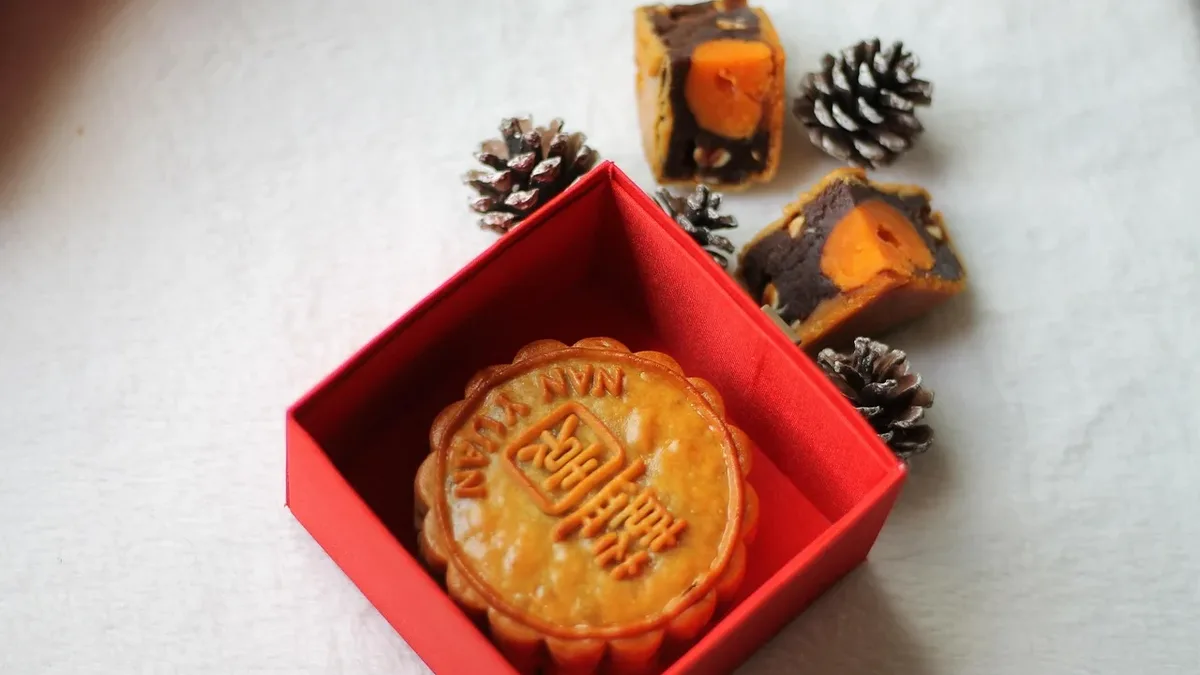
The five-kernel mooncake, a traditional Mid-Autumn Festival treat packed with nuts and seeds, is making a comeback. According to a report by the South China Morning Post, this protein-rich variant is being sought as an alternative to classic sweet fillings by the health-conscious.
Historically, the first mooncakes were not sweet. They were made with a mix of nuts and seeds. From the 1950s to the 1970s, the five-kernel, or wuren, mooncake was considered the height of sophistication. Its rich, calorie-dense components were luxury items in times of material scarcity.
The Rise and Fall of a Classic
Long before white lotus seed paste dominated, wuren was the undisputed king of mooncakes across mainland China and Hong Kong. Gifting these mooncakes was a significant sign of respect. The filling's ingredients, including Jinhua ham and cured pork fat alongside nuts, were highly precious.
The treat's history stretches back centuries. Flaky mooncakes containing finely ground pine nuts, walnuts, and melon seeds are mentioned in classical texts like Dream of the Red Chamber and the gastronomical guide Recipes from the Garden of Contentment. This suggests they were found in both imperial courts and local regions.
Symbolism in Every Kernel
The five kernels are not chosen at random. They carry deep symbolic meaning, representing completeness and harmony. This makes the five-kernel mooncake a classic representative of Cantonese mooncakes. Each specific kernel is tied to a Confucian virtue.
The typical kernels and their associated virtues are as follows:
A Modern Shift in Taste
With traditional sweet mooncakes increasingly avoided for health reasons, the protein-packed five-kernel version is finding new appeal. The report frames it as a potential comeback story. The shift mirrors a broader trend where nutrient-dense, historically significant ingredients move from the margin back to the mainstream.
The treat's composition is inherently rich. It is filled with ingredients including walnuts, almonds, and sesame seeds. This offers a substantive contrast to the uniform sweetness of pastes. The return of the five-kernel mooncake highlights how festival traditions can evolve with contemporary dietary preferences while reconnecting with their roots. The story of its prestige, from imperial mentions to being a coveted luxury gift, highlights its enduring cultural weight. For more on traditional foods and their histories, you can explore our stats and injuries pages, which track trends and availability.