Orchard Robotics AI Cameras Scan Fruit for Growers
Orchard Robotics uses AI cameras on farm vehicles to scan orchards. The data on fruit counts, health, and yield helps growers save labor and inputs.
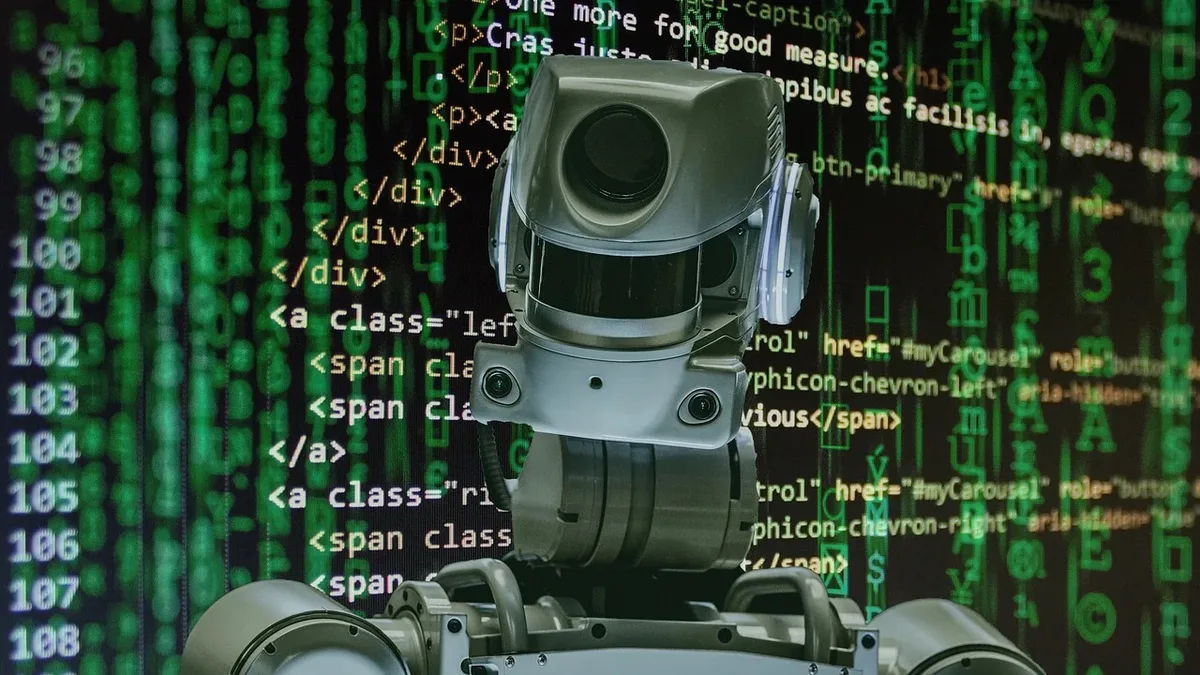
Orchard Robotics CEO Charlie Wu says his company sells outcomes, not just data. The firm's AI-powered camera system, mounted on tractors, scans orchards and vineyards to provide growers with actionable insights, aiming for a three to tenfold return on investment in the first year through labor and input savings.
Wu made the comments at the Ruggedize ag robotics conference. He argued that data is only useful if growers can easily act on it, stating the average grower should not have to be a data analyst. Orchard's system captures millions of images to measure fruit counts, size, color, growth rates, canopy health, water stress, disease, and yield.
From Images to Actionable Data
The camera system, about the size of a large tissue box and weighing five pounds, processes images on an onboard computer to overcome poor farm connectivity. The data feeds into the FruitScope platform, where growers can inspect conditions down to individual trees.
For example, the system can count fruit on every tree. This informs pruning and thinning labor, as fruit load can vary widely within a single block. The platform can also predict yields with over 95% accuracy, aiding supply chain planning for labor, bins, and storage.
Delivering Insights to the Field
Growers access insights through a mobile app that directs workers where to go and what to do. For farms with precision sprayers, Orchard builds integrations to automate applications. "The biggest ROI is through reduction on labor and inputs," Wu told AgFunderNews.
The company offers two service models. In the self-serve model, growers operate the cameras on their own vehicles. In the full-service option, Orchard technicians conduct the scans. The pricing is a per-acre, per-year subscription that includes hardware, software, and unlimited scans.
Expanding Crop and Global Reach
Orchard Robotics began with apples but has expanded to several other crops. The company is now moving into new ones including pomegranates, coffee, and strawberries.
The firm currently has hundreds of systems scanning tens of thousands of acres, with ambitions to reach hundreds of thousands. Most customers are in the US, but Wu reports significant international demand. Growers typically scan a field around ten times per season, though frequency varies from five to twenty-five times.
Wu emphasized the company's focus on practical results. "We're selling the outcome that a grower sees by using all of it effectively," he said. The system's constant hardware upgrades are included in the subscription fee, ensuring growers avoid obsolescence.