Steakholder Foods launches 3D-printed plant-based meat in US
Steakholder Foods has rolled out its Perfecta brand of 3D-printed whole-cut plant-based meat and seafood products in Northeastern US supermarkets through a
Steakholder Foods has launched its Perfecta line of 3D-printed plant-based meat and seafood products in supermarkets across the Northeastern US. The rollout marks the company’s debut in the US retail market and is made possible through a partnership with KeHe Distributors, a leading natural and specialty food distributor. The products are now available under the Perfecta label and are part of a phased expansion plan that will extend to other regions as consumer demand grows. This was confirmed by Arik Kaufman, co-founder and CEO of Steakholder Foods, who stated that the Northeast is just the beginning of their commercial journey.
The Perfecta range includes two beef analogues, a whole-cut chicken breast, and two seafood patties designed to mimic salmon and whitefish. The marbled steak offers 26g of protein, 10g of fibre, and 1g of saturated fat per 250g serving. The filet mignon provides 18g of protein, 5g of fibre, and 1.5g of saturated fat per 130g piece. The whole-cut chicken breast delivers 18g of protein, 4.5g of fibre, and 3g of saturated fat in each 130g serving. The salmon patty contains 4g of protein, 2g of fibre, and 2.5g of saturated fat per 50g serving, while the whitefish version has 5g of protein, 4g of fibre, and 1.5g of saturated fat per 50g patty.
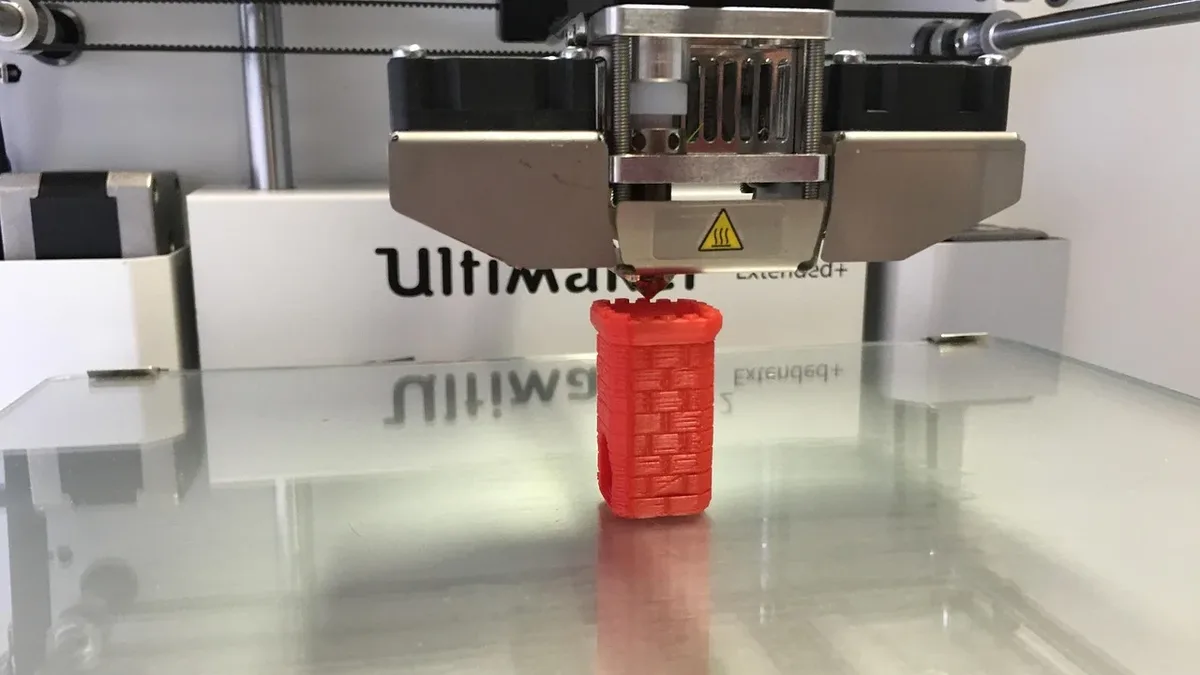
These nutritional profiles are supported by Steakholder Foods’ 3D printing technology, which uses Fused Paste Layering for meat products and a Drop Location in Space system for seafood. The meat printer can produce up to 420kg of plant protein per hour, combining two materials to replicate the fat and muscle interplay in animal meat. The seafood printer outputs 100kg of vegan seafood per hour by precisely placing plant-based ingredients to mimic flaky textures. The company says this technology enables tender, fibrous textures and marble-like characteristics to improve flavour and juiciness in plant-based proteins.
The launch responds to consumer research showing that only about 30% of US omnivores like the taste and texture of average meat-free products, compared to two-thirds who feel that way about animal-based options. Vegan alternatives were found to be savoury 35% less often and to have off-flavours five to six times more frequently than animal proteins. They were also described as juicy 62% less often than conventional meat. For whole cuts, improving off-flavour, aftertaste, mushy texture, dryness, and toughness were identified as key opportunities. Caroline Cotto, director of Nectar, the sensory insights initiative behind the study, told Green Queen that texture represents the biggest opportunity for plant-based products to match animal counterparts.
Steakholder Foods notes that its products appeal to the 57% of Americans planning to prioritise protein this year and address widespread fibre deficiency, a gap highlighted by trends like fibermaxxing. The shift is especially relevant to GLP-1 drug users, who make up 11% of the adult population and consume 40% more protein and 30% more fibre than average. A Boston Consulting Group survey found these users plan to spend 11% more on high-protein foods and 10% more on fibre and whole grains. The company, which raised $3.75M in August and may secure another $7M if warrants are exercised, is targeting flexitarians and aims to grow beyond the 11% of US households that currently buy meat analogues by building awareness and trial in the Northeast before pursuing additional distributor partnerships.