U.S.-Canada Trade War Hits Packaging
New tariffs of up to 50% on $27.6 billion in goods between the U.S. and Canada, effective September 8, are set to disrupt the deeply integrated North American packaging supply chain. Industry groups warn the duties on materials like pulp, paper, aluminum, and steel will raise costs and create uncertainty for manufacturers and consumers.
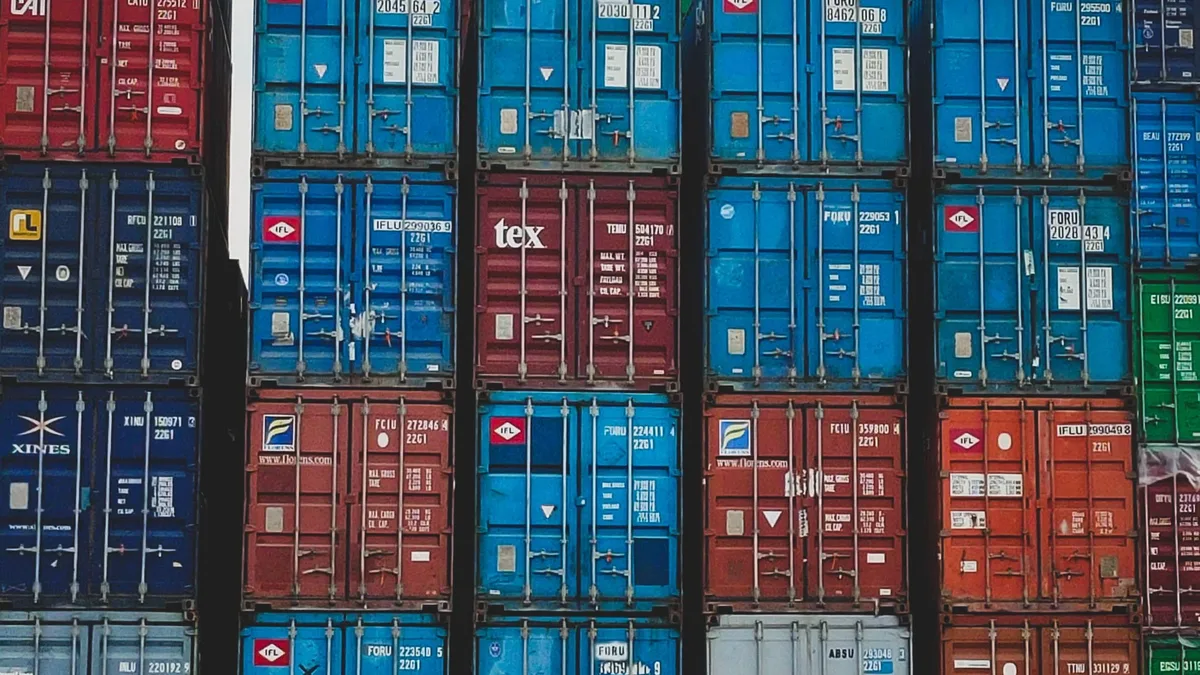
A new trade war between the United States and Canada is imposing tariffs of up to 50% on $27.6 billion in goods, with measures set to take effect on September 8. The packaging industry, a deeply integrated cross-border network, is bracing for widespread cost increases and supply chain disruptions as a result.
Companies are assessing mitigation plans. Executives from Cascades discussed potential impacts from U.S. tariffs on August 6, while Ball Corporation officials expressed concern over aluminum prices on August 4. Some sources indicate companies may try to pull forward purchases ahead of the September deadline, though evidence of widespread frontloading remains scant.
Fiber and Paper Sector Reacts
Trade groups representing the pulp and paper sector have voiced strong opposition to the new tariffs. Heidi Brock, President and CEO of the American Forest & Paper Association, stated the "deeply integrated" supply chain risks added uncertainty and cost. She argued escalating disputes will disrupt the cross-border operations that support mills and manufacturers.
The Canadian Corrugated and Containerboard Association also expressed disappointment. Its executive director, Serge Desgagnés, warned in a letter that tariffs would harm manufacturers, workers, and customers on both sides of the border. The group noted that since virtually every product uses corrugated packaging, disrupting this supply chain would have cascading effects. It also raised concerns about impacts on recovered fiber markets that sustain recycling infrastructure.
Metals and Aluminum Dependence
The metals sector faces specific pressures. Canada plans to double its levies on metal imports to 50%, mirroring U.S. Section 232 tariffs. The Aluminum Association notes Canada supplies about two-thirds of the primary aluminum used in the United States. U.S. President Donald Trump reportedly stated the U.S. "desperately needs aluminum" and gets it "all from Canada for the most part."
The Aluminum Association's President and CEO, Charles Johnson, agreed with that assessment of need prior to Canada's countermeasures. Johnson said America must grow both primary and recycled aluminum production. He noted that with 85% of U.S. aluminum production being secondary (recycled), the country currently has "no alternative than to import primary metal." After the tariffs were announced, Johnson said the measures will negatively impact segments of the industry by limiting opportunities for U.S. producers in Canada.
Glass and Beverage Bottles
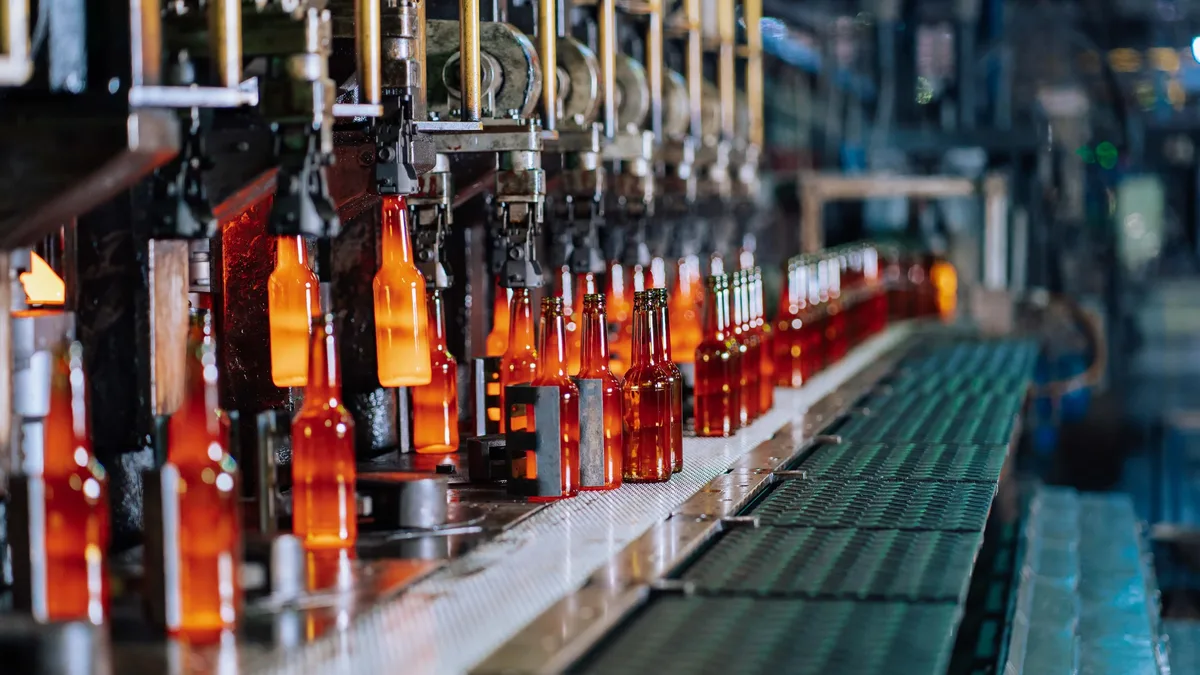
While Canada's latest tariff directive did not specifically name glass, the material is already entangled in the trade dispute. The Glass Packaging Institute stated that U.S. imports of glass bottles and jars from Canada have moved duty-free under trade agreements. The institute cited Commerce Department data showing the U.S. imported 348 million glass bottles and jars from Canada in 2025, valued at over $86 million.
The group expressed concern that new Section 338 tariffs on Canadian glass bottles, jars, and raw materials would pressure an already strained supply chain. It is part of the Toasts Not Tariffs Coalition, which calls for a swift resolution to the dispute and the return of U.S. wine and spirits to Canadian stores, following a year-long Canadian boycott affecting glass packaging.
All companies contacted by the source publication declined to comment on the situation directly.