PPWR Enforces PFAS Limits in Packaging
The EU's Packaging and Packaging Waste Regulation has begun enforcing strict limits on 'forever chemicals' (PFAS) in packaging.
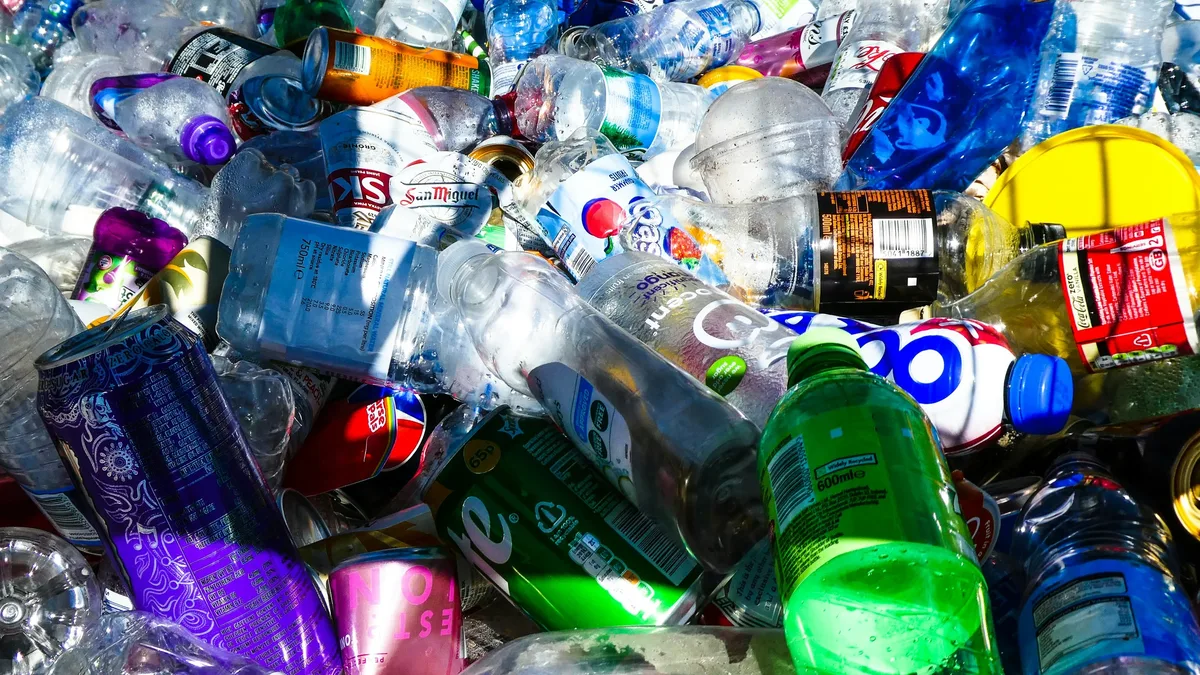
The European Union's Packaging and Packaging Waste Regulation (PPWR) became enforceable on 12 August. Its limits on per- and polyfluoroalkyl substances (PFAS) in packaging are already in effect, requiring manufacturers to keep these 'forever chemicals' below strict thresholds.
PFAS are chemicals used to repel water, oil, and resist heat. They are widespread in packaging and cookware but have been linked to thyroid disease, fertility issues, liver damage, and some cancers. Their strong bonds mean they do not degrade in the environment for thousands of years and can contaminate food through contact.
What are the new
PFAS limits?
The PPWR sets specific concentration limits for different types of PFAS in packaging. A harmonised testing approach is being developed, but until then, Member States will monitor compliance through national authorities.
| PFAS Type | Limit |
|---|---|
| Polymeric PFAS | 50 parts per million (ppm) |
| Sum of non-polymeric PFAS | 250 parts per billion (ppb) |
| Each individual non-polymeric PFAS | 25 ppb |
Non-polymeric PFAS are smaller, more reactive, and considered more harmful than polymeric PFAS, according to the University of Rhode Island. Penalties for infringing the regulation are delegated to Member States, with a deadline for penalty development set for 12 February 2027. According to the PPWR FAQs, infringers will receive a warning before any penalty.
Manon Ombredane, director of environment, health and safety practice at law firm Squire Patton Boggs, explains that before February 2027, manufacturers with non-compliant packaging may be denied market access. She states the PPWR is primarily a market-access regulation, allowing authorities to restrict placement on the market, require corrective action, or order withdrawal or recall.
How
PFAS contaminates packaging
PFAS enter packaging through multiple means. Roger Wright, waste strategy and packaging manager at Biffa, explains they can come from manufacturing chemicals or be present as a coating. Secondary PFAS can contaminate paper packaging during recycling. Industrial machines can even use PFAS to eject packaging from moulds.
Once PFAS are in fibre-based packaging, they cannot be removed. The chemicals form strong bonds locked into the fibre itself. They cannot be washed or dissolved away. Prevention is therefore critical.
Strategies for
PFAS-free packaging
Manufacturers can avoid PFAS by using certified PFAS-free raw materials and avoiding coatings with intentionally added PFAS. Wright suggests using materials processed to mimic PFAS performance. This can be done by mechanically supercalendering paper or pressing fibres tightly together.
Applying natural, degradable coatings like starch, seaweed, or natural waxes can mimic required grease or moisture resistance. For recycled materials, food companies should aim to better isolate and manage inputs.
Fibre-based materials like fast food wrappers, microwavable bags, and baking papers are particularly susceptible to PFAS contamination. Materials with lower contamination risk include virgin and recycled plastic products made from PET, PP, or HDPE, as well as glass, metal, or aluminium. Wright says these materials are "entirely immune to PFAS absorption." Alternatively, fibre-based packaging with natural PFAS-free coatings could be used.
Companies must act quickly to reduce PFAS in their packaging to comply with the new regulation and maintain market access.
Source: foodnavigator.com