Wine Producers Adapt to Climate Change
European winemakers are adapting to climate change with irrigation, higher altitude vineyards, and hardier grapes, but these changes are costly.
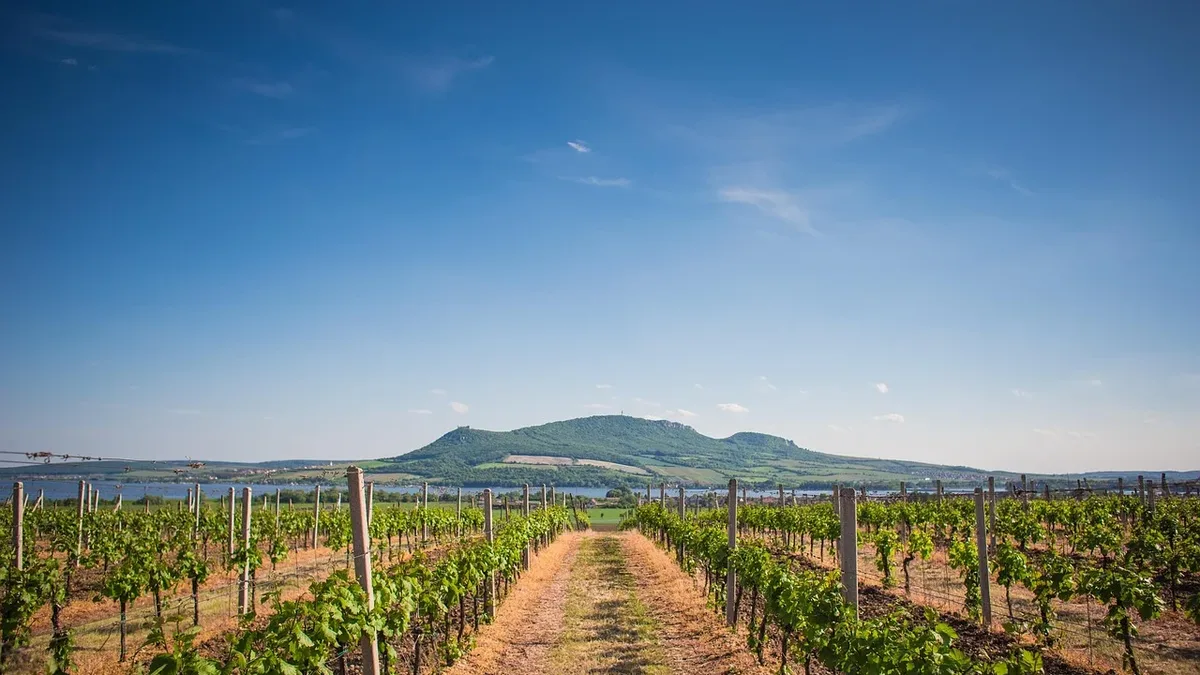
Climate change is reshaping Europe's traditional wine-growing regions, forcing producers to adapt. According to a study by INRAE and other French organisations, around 90% of coastal and low-lying wine regions in Spain, Italy, Greece, and southern California could be at risk of disappearing by the end of the century.
Most wine producers cannot simply relocate. Ignacio Ricarte Sanchez, secretary general of EU wine trade organisation Comité Européen des Entreprises Vins (CEEV), explains that production is "anchored to a territory." Approximately 99% of wine companies are SMEs, often family-owned, with deep ties to their land.
How Climate Stress Affects Grapes
Moderate stress from limited water or nutrients can benefit wine quality. Sanchez states this stress forces vines to focus energy on ripening smaller, more flavourful grapes and developing stronger root systems. However, excessive stress from extreme heat and repeated weather events like frost damages quality.
Sanchez explains that many believe after 2°C of warming, growers will be forced to change their production systems to maintain quality. Market demands have historically pressured growers. For years, the popularity of varieties like pinot noir led to cultivation in areas not ideally suited for them, such as places with too much sun.
The industry is now looking toward varieties that can better adapt to their growing climate.
Adaptation Strategies for Existing Vineyards
Since moving is not an option for most, mitigation on existing land is key. Introducing irrigation is a primary method. Sanchez notes many European areas currently lack irrigation. While vines don't need much water, inadequate rainfall causes struggle. Irrigation can help maintain both the quantity and quality of wine.
Another strategy is moving vineyards to higher altitudes. Wine retailer Decántalo states higher altitudes offer benefits like lower temperatures and greater thermal amplitude, making production easier to manage. Some producers are already expanding to these areas.
The Financial Burden of Adaptation
These adaptation tools come with high costs. Even installing irrigation adds significant expense to production. Sanchez says it is increasingly difficult for growers to maintain consistent quality year-to-year due to rising management costs.
As the climate continues to shift, the profile of wines will keep changing. Sanchez notes that while some wines, like champagne, are believed to have a better profile now than thirty years ago, this could change again with further temperature shifts. Producers must continually adapt to growing conditions that are no longer what they once were.