EU Lawmakers Push to Ban 'Burger' and
EU lawmakers are proposing to extend a ban on meat-related terms to include 'burger', 'nuggets', and 'ham' on plant-based and blended meat product labels.
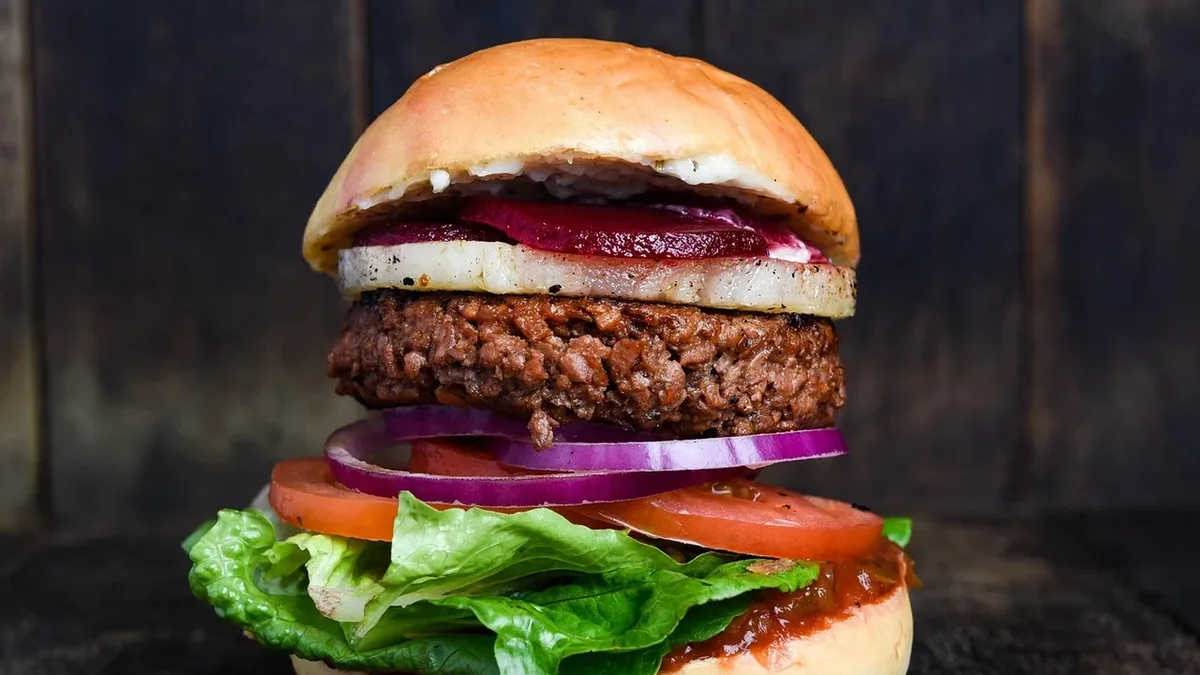
The European Parliament is set to vote on extending a ban on meat-related terms to include words like 'burger', 'nuggets', and 'ham' on plant-based product labels. According to a report by Green Queen, the proposed amendments to the Common Market Organisation regulation would also apply these restrictions to blended meat products that combine animal and alternative proteins.
Members from the European People's Party, Patriots for Europe, and the European Conservatives and Reformists Group have signed the amendments. Even terms like 'meatballs', 'rabbit', and 'black and white blood sausage' are now facing prohibition. The EU Parliament's agriculture committee will discuss the proposal on September 2, with technical meetings and a vote scheduled for December. A final plenary vote is slated for 2027.
Strong Opposition from Industry and Politicians
There is already significant pushback. The Progressive Alliance of Socialists and Democrats, Greens-European Free Alliance, and The Left have proposed either deleting the blacklist entirely or easing its implementation. The Vegetarian Butcher, a plant-based brand owned by meat giant JBS, criticized the move on LinkedIn. "Is this for real? Are they going ham?" the company posted. "Our message is clear: consumers are not confused."
The NoConfusion Coalition, representing over 600 entities across 22 EU countries, is leading opposition with an open letter and a citizens' petition with over 71,000 signatures. The European Alliance for Plant-Based Foods has also rejected the proposal. Its secretary-general, Thomas Schobesberger, called the debate "unbelievable" while European farmers struggle with drought and heatwaves.
A Decade of Debate Over Labelling
Discussions about such a ban have circulated for a decade. The EU Parliament voted against a similar proposal in 2020. The current push stems from a review of the CMO regulation in July last year, when French lawmaker and EPP member Céline Imart reintroduced the idea. Following committee and plenary votes, the proposal moved to interinstitutional negotiations.
Trilogue negotiations earlier this year agreed to restrict many terms, giving companies three years to comply. However, Imart, a cereal farmer with links to the French farming lobby, was reportedly unsatisfied with the exclusion of terms like 'burger'. The NoConfusion Coalition's open letter to EPP chief Manfred Weber states Imart regards these omissions as "unfinished business." The letter calls on Weber to reject the extension. Weber himself has criticized the ban as unnecessary, stating consumers are not stupid.
Concerns Over Market Fragmentation and Policy
Proponents argue the terms confuse consumers, but polls suggest otherwise. A 2020 poll by the European Consumer Organisation found 80% believed plant-based meat should be allowed to use such terms. A 2023 Smart Protein survey found only 9% didn't recognise plant-based alternatives. A recent poll of 20,000 Dutch consumers showed 96% understood a veggie sausage is not meat, with nearly 70% opposing a labelling ban.
The NoConfusion Coalition expressed concern over wording in the new proposals that could allow all 27 member states to introduce additional national rules. This could fragment the single market, meaning a product sold in Germany might need relabelling or removal in France. The coalition warned this creates "27 different rulebooks" and regulatory chaos, a point also cautioned by the European Court of Justice in a 2024 ruling.
Critics also say the timing is poor, following a severe summer drought for farmers. Maria Laura Helguero, EU policy lead for WePlanet, said farmers need support for adaptation, not re-fought labelling disputes. Furthermore, the proposed ban contradicts the EU's own protein diversification drive outlined in a recent Protein Plan. The NoConfusion Coalition argues the EU is championing protein diversification with one hand while imposing rebranding costs and compliance burdens on the same sector with the other. The alliance demands lawmakers reject the amendments and the member state opt-out clause, and redirect resources to help farmers cope with climate crises.