Netflix documentary examines fried chicken
A new Netflix documentary follows comedian Mo Gilligan on a 28-day fried chicken diet, using the experiment to explore factory farming and industry
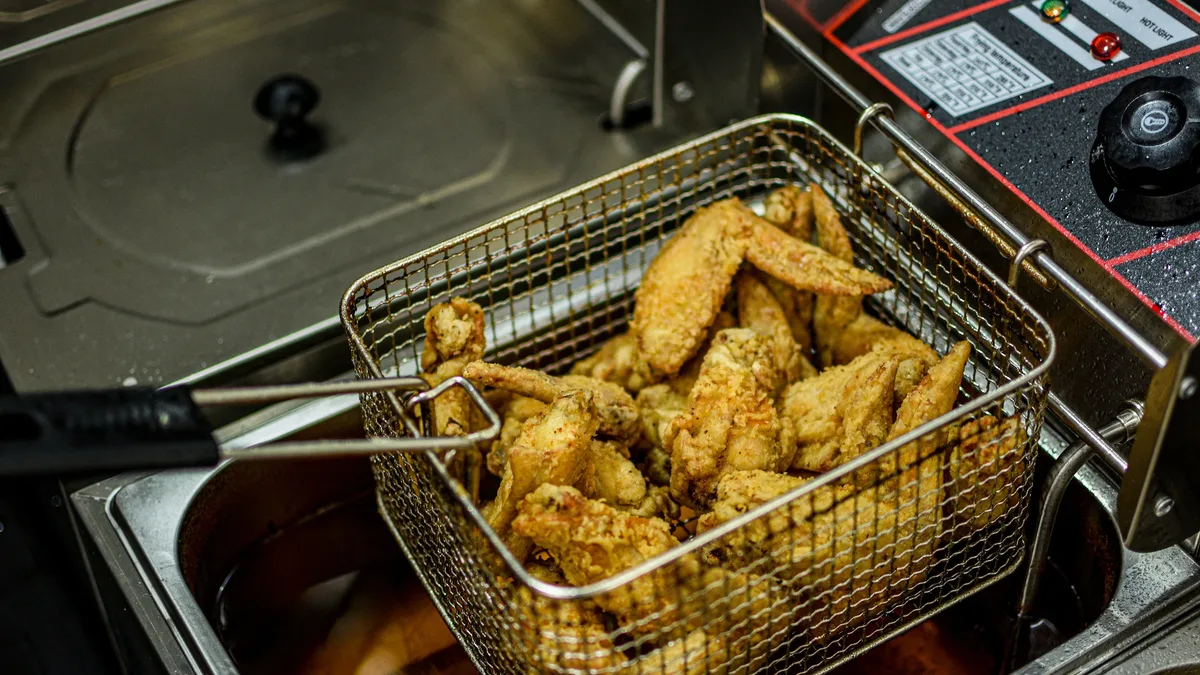
A new Netflix documentary uses a 28-day fried chicken diet to scrutinize the fast-food chicken industry. The film, titled 'Big Chicken: A Fast Food Conspiracy,' launched globally on the streaming platform on August 5, 2026, and runs for 96 minutes.
British comedian Mo Gilligan eats fried chicken for breakfast, lunch, and dinner across the UK before traveling to fried-chicken destinations in the United States. The format draws a direct comparison to Morgan Spurlock’s 2004 documentary 'Super Size Me,' a link noted by most reviewers. The film was directed by Liana Stewart and produced by Mindhouse Productions.
Gilligan initially saw the project as a dream job. Speaking to Obsessed: The Podcast, he recalled thinking Netflix was paying him to eat chicken. His tone shifted within weeks. Gilligan reported weight gain, uncontrollable sweating, mood swings, and episodes of deep sleep he called “scary naps,” as reported by The Daily Beast. He found the persistent appeal of the food made the experience harder, noting that even at the halfway point, the chicken still tasted great.
The scale of the habit
The documentary moves beyond the personal diet to examine the production system. According to figures cited by The Irish Times, fried chicken is the fastest-growing fast-food product in the world. Britons spend more than £12 million on it each day across over 6,000 UK chicken shops. Globally, 78 billion chickens are slaughtered every year.
Gilligan speaks to experts about the effects on his body and attempts to hold industry leaders to account. He also accompanies activists on a late-night visit to a factory farm. The comedian traveled to a chicken farm in Lincolnshire with animal rights campaigners intending to film welfare conditions, but withdrew after farm security was tightened.
A review in The Times highlighted a claim from the film. It stated that if human babies grew at the rate of modern “frankenchickens,” they would reach the size of an adult pig within two months. The term refers to fast-growing broiler breeds targeted by campaigners like The Humane League and Open Cages for years over lameness, deformities, and heart failure linked to rapid growth.
Industry response and dispute
The National Farmers’ Union (NFU) moved quickly to defend the sector after the film's release. It published a statement two days later confirming it was reviewing the documentary and would “challenge any misinformation.” In the statement, NFU Poultry Board Chair Will Raw distinguished between British and American production systems.
Raw asserted that British poultry farmers operate under some of the highest animal welfare, food safety, and environmental standards. He described the product as an affordable, versatile, and nutritious source of protein chosen by the public in huge numbers. He also described any “activist incursion on private land” as potentially unlawful trespass, stating that such behavior causes significant distress to farming families.
Campaigners contest that characterization of UK farming. According to The Humane League, an estimated 90% of chickens reared for meat in the UK are fast-growing breeds that reach unnaturally large sizes. Welfare groups link these breeds to lameness, deformity, and heart failure.