Thai Union
| Headquarters | Bangkok, Thailand |
|---|---|
| Founded | 1977 |
| Core business | Seafood production and distribution |
| Primary products | Canned tuna, shelf-stable seafood, frozen seafood, pet food |
| Key markets | Global (Europe, North America, Asia) |
| Stock exchange | Stock Exchange of Thailand (SET) |
| Major brands | John West, Chicken of the Sea, Mareblu |
Overview
Thai Union is a multinational seafood corporation headquartered in Thailand. It is one of the world's largest producers of shelf-stable tuna products and a major global supplier of frozen and chilled seafood. The company operates an extensive integrated supply chain, controlling everything from sourcing and processing to distribution and branding. Its product portfolio includes canned seafood, frozen products, pet food, and value-added meals under a wide array of owned and licensed brands. The corporation's scale and vertical integration have made it a dominant force in the global seafood industry, particularly in the canned tuna segment. Its operations span multiple continents, with manufacturing facilities and sourcing networks across Asia, Europe, and the Americas.
History
Thai Union's origins are in Thailand in the late 20th century. The company was founded in the 1970s, initially focusing on the export of frozen shrimp. It expanded its operations throughout the 1980s by establishing its own cannery and entering the canned tuna market. A pivotal moment in its growth was the acquisition of Chicken of the Sea in the United States in the late 1990s, which provided a major branded presence in a key market. Throughout the 2000s and 2010s, the company pursued an aggressive acquisition strategy, purchasing numerous seafood brands and processing companies across Europe and the United States. This strategy transformed it from a regional exporter into a globally integrated seafood conglomerate. Its historical growth has been closely tied to the rising global demand for affordable, convenient, and protein-rich canned seafood.
How it works today
Today, Thai Union functions as a vertically integrated seafood enterprise managing a complex global supply chain. The company sources raw material through its own fishing fleets, joint ventures, and procurement from independent fishers worldwide. This seafood is processed in the company's owned facilities, which are strategically located near fishing grounds and key markets for cost efficiency. Its manufacturing processes include canning, freezing, and preparing value-added ready-to-eat meals. The corporation markets its products through a multi-brand strategy, utilizing powerful global brands like John West, Chicken of the Sea, and Mareblu alongside local brands. It distributes products through both retail grocery channels and food service providers. Continuous operational focus is placed on scale, cost management, and expanding into higher-margin value-added product categories.
Why it matters
Thai Union matters because its scale and practices significantly influence the global seafood industry and ocean ecosystems. As a market leader, its procurement policies and commitments directly affect fishing practices and sustainability standards across vast supply chains. The company provides a critical source of affordable protein to millions of consumers worldwide through its shelf-stable and frozen products. Its vertical integration model demonstrates the concentration of power within the global food system, highlighting both efficiencies and potential risks related to market control. The corporation's response to mounting concerns about labor practices in its supply chain and the environmental impact of fishing sets precedents for the entire sector. Its strategic shifts toward sustainability commitments and transparency are closely watched as indicators of broader industry change.
Common misconceptions
A common misconception is that Thai Union only produces canned tuna; in reality, its product range is vast, encompassing frozen shrimp, shelf-stable sardines and mackerel, surimi, pet food, and prepared meals. Another misconception is that the company operates solely from Thailand; it is a truly multinational entity with major processing assets, brands, and management teams in North America and Europe. Some believe its sustainability commitments are merely marketing; while criticisms persist, the company has implemented tangible, audited programs like its Vessel Code of Conduct and Fishery Improvement Projects, though the scale and pace of impact remain debated. It is also incorrectly assumed that all its branded products are processed in the country of the brand's origin; products are often manufactured in cost-effective locations globally. Finally, the company is sometimes viewed as a single, monolithic operator, when its structure involves numerous subsidiaries, joint ventures, and independent suppliers within a decentralized network.
Latest Thai Union news
Latest reporting
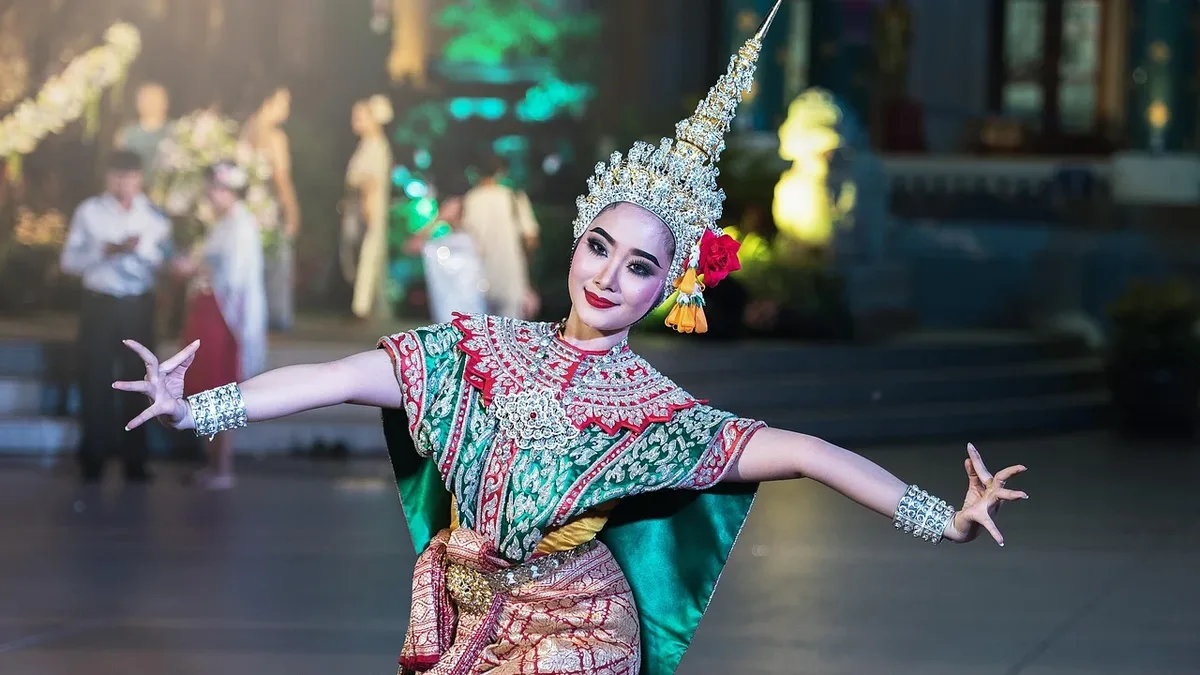
Lisa's SaWaDiKa single uses Thai greeting
Blackpink's Lisa releases a new single titled 'SaWaDiKa,' a stylized version of the Thai greeting 'sawasdee ka,' as the lead track for her upcoming...
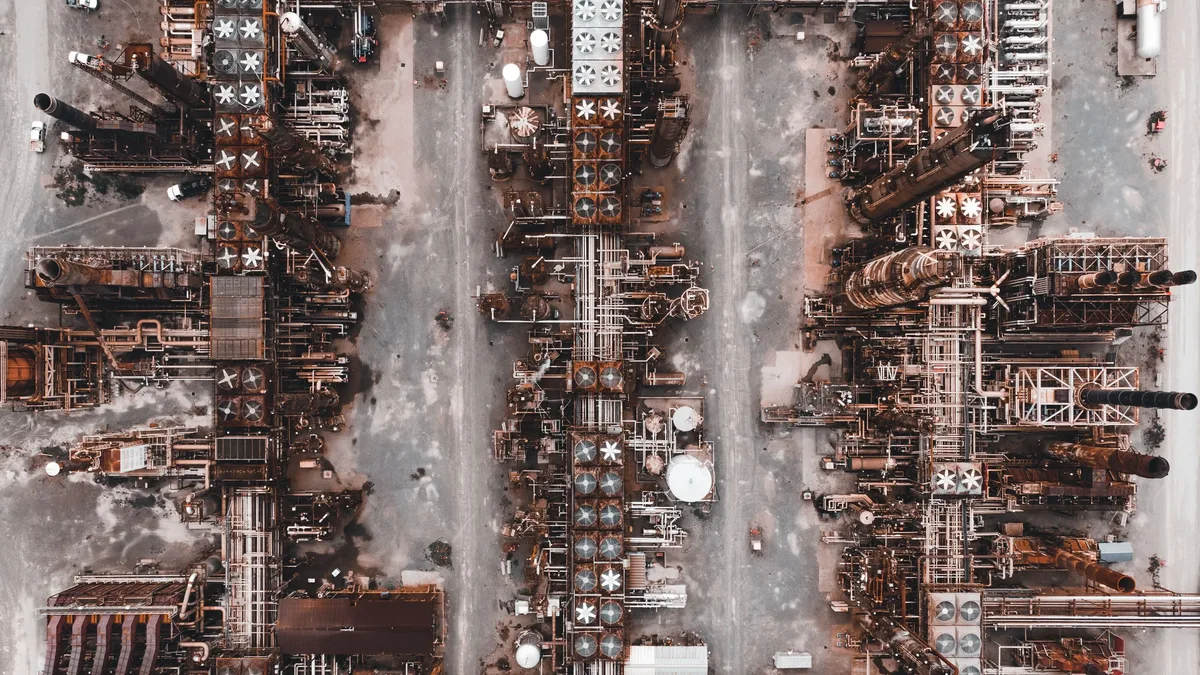
Israeli Meat Producer Invests in Thai Plant-Based Factory
Soglowek acquires 70% stake in Plant & Bean, doubling factory output and expanding into Southeast Asia.
Hungary Closes the Last EU Loophole for Wild Animals in the Circus Ring
Hungary has banned the use of wild animals in circus performances, aligning with a bloc-wide trend among European Union member states.