Biotech Open Platform launches precision
A €20 million industrial-scale precision fermentation facility has opened in Clermont-Ferrand, France, to help startups scale sustainable food ingredients
The Biotech Open Platform has inaugurated a fully operational 5,000 m² pilot plant in Clermont-Ferrand with two microbial fermentation lines and downstream processing for scaling fermentation-based innovations. The €20 million facility, located at the Michelin Innovation Park Cataroux, is designed to bridge Europe's critical scaling gap for bio-based food and materials.
Created two years ago by Danone, Michelin, DMC Biotechnologies, Crédit Agricole Centre France, Clermont Auvergne Innovation, and Greentech, the platform is now fully operational. It features integrated fermentation lines with capacities up to 15 cubic metres and semi-industrial purification systems. The site meets strict food-grade manufacturing standards and operates with dedicated independent teams to safeguard client intellectual property. It is already welcoming its first industrial scaling projects.
Purpose and function
The facility supports startups, industrial companies and R&D organisations in developing, optimising, scaling up and validating fermentation-based processes. Its core mission is to help companies move from lab scale to conditions representative of industrial production. By providing shared access to advanced fermentation equipment, it significantly reduces capital barriers.
Platform leadership emphasizes that combining high-volume equipment with deep technical expertise helps developers de-risk bioprocesses faster. The integrated fermentation, purification and bioprocess development capabilities enable production of sufficient volumes for application testing. This support helps companies move from producing 10 grams to one tonne of ingredients during validation stages prior to commercial production. The long-term goal is to strengthen European biomanufacturing capabilities.
Strategic and environmental context
The new site directly addresses a bottleneck identified in the European Commission’s strategy for food research and innovation. Europe has a pronounced lack of industrial fermentation capacity. Many biological breakthroughs stall before reaching commercial distribution due to this specialised pilot infrastructure gap.
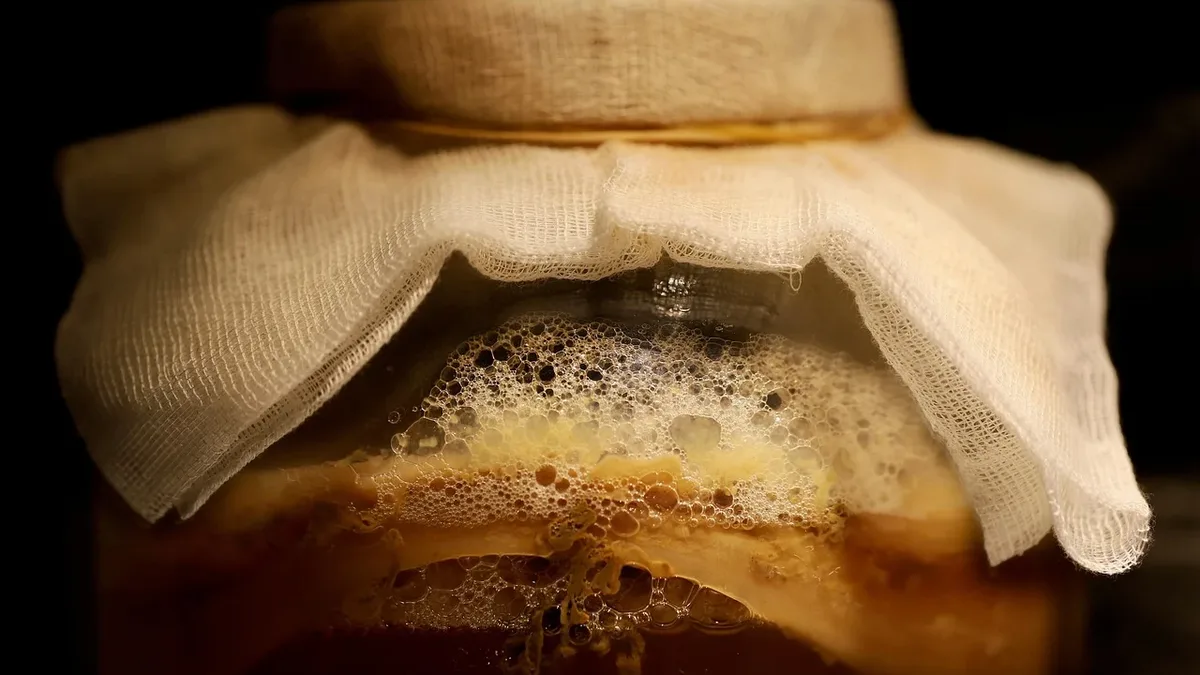
BIOP specialises in precision fermentation, which uses engineered microorganisms like yeasts, bacteria, microalgae, and fungi as cellular factories. These systems convert renewable feedstocks into high-value products. The technique enables sustainable production of existing ingredients and the discovery of new compounds, including enzymes, alternative proteins, and human milk oligosaccharides.
Environmental benefits are a key driver. Precision fermentation uses less land and water than livestock farming and can reduce carbon emissions. The process is not affected by weather patterns, droughts, or poor soil, providing a stable production environment. By-products can be upcycled. The facility will produce both food-grade and non-food grade materials.
Leadership and backing
The platform received over €20 million in initial funding from its founding partners, supplemented by financial support from the EU through the European Regional Development Fund. Khadidja Romari serves as the platform’s CEO. Backing from corporate partners is strategic; Danone, for instance, brings one of the world's largest ferment libraries with 4,000 identified strains to the consortium.
Danone CEO Antoine de Saint-Affrique is involved, along with board member Albe Wendt and Danone's R&I director Philippe Teissier. Danone's alignment with the Global Methane Pledge and its investments in precision fermentation startups like Imagindairy and Standing Ovation show the strategic importance of this infrastructure. The EU is seen as strong in financing early-stage innovation but requires more support to help startups overcome the 'second valley of death' from pilot to commercial-scale production.
Early traction and future vision
Following its inauguration, the facility has welcomed its first advanced fermentation projects. The long-term ambition is for BIOP to become a hub of a European biotechnology ecosystem that turns scientific discoveries into industrial solutions. It aims to strengthen Europe’s industrial competitiveness in sustainable biotechnology. The facility is ready to host advanced fermentation projects for proteins, vitamins, fibers, and nutraceutical ingredients.