Non-Soy Legume Tofu Gains Traction as Soy Sourcing Challenges Grow
A new systematic review finds tofu made from legumes like chickpea and lupin performs well in taste tests but lacks shelf-life data and direct comparisons to soy, highlighting gaps for the emerging soy-free market.
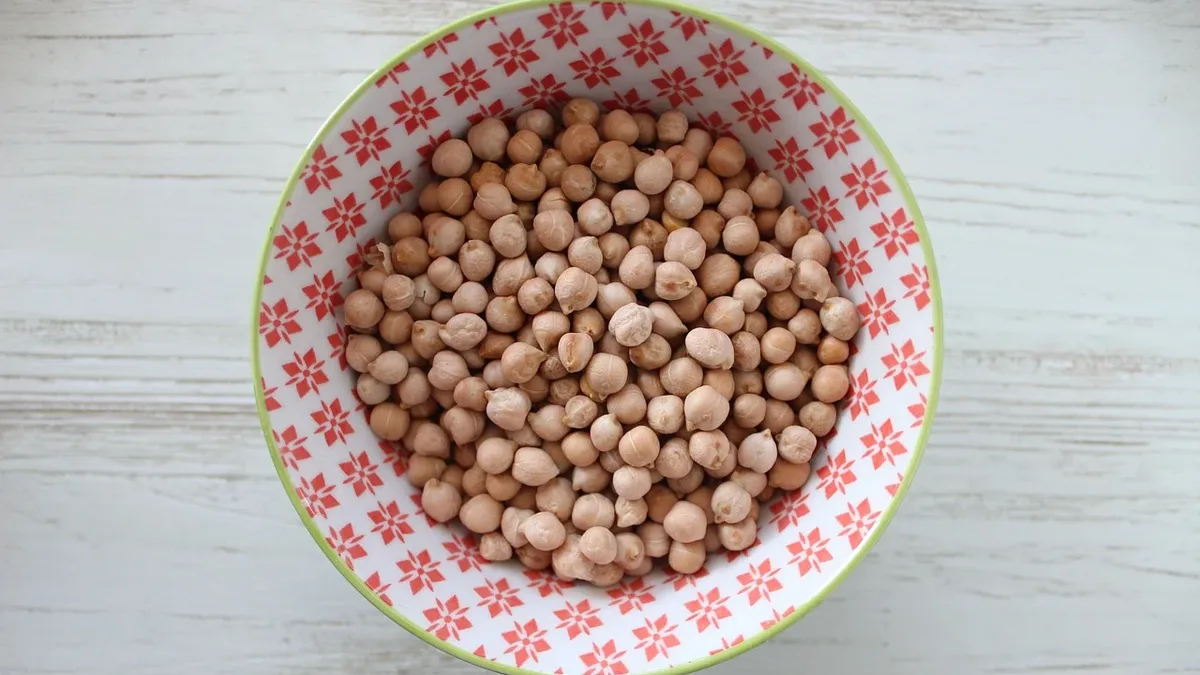
A systematic review of 19 studies has found non-soy legume tofu scores between 6.0 and 8.0 on taste panels, offering a viable alternative as soy sourcing becomes difficult and plant-based diets gain popularity. The research, published in the Springer Nature journal Discover Food, was led by scientists from Pakistan's National University of Medical Sciences in Rawalpindi and the National University of Sciences and Technology in Islamabad, with co-authors from PRIME Consulting in Islamabad and Ghalib University in Herat, Afghanistan.
The review synthesized 19 experimental investigations into tofu made from peas, lentils, faba beans, cowpeas, Bambara groundnuts, and jack beans. The authors said, "researchers have turned to other legumes because soybeans are hard to source in some countries and because interest in plant-based diets is growing." The study evaluated protein, fat, fiber, and functional properties, identifying significant nutritional potential but also critical evidence gaps for companies looking to enter the soy-free retail market.
Key nutritional findings from legume tofu studies
Lupin achieved the highest protein concentrations, ranging from 50 to 60 percent. Kenaf seed formulations registered the highest fat content, between 48 and 65 percent. Chickpea tofu yielded the highest fiber content at 9.16 percent. Faba bean tofu recorded the highest water holding capacity, between 86 and 88 percent.
| Legume | Highest Recorded Nutrient | Measurement |
|---|---|---|
| Lupin | Protein | 50-60% |
| Kenaf seed | Fat | 48-65% |
| Chickpea | Fiber | 9.16% |
| Faba bean | Water holding capacity | 86-88% |
Calcium sulfate was the most common coagulant, used in eight of the studies. A wide array of 19 different coagulants were tested overall. Glucono-δ-lactone (GDL), magnesium chloride, and organic acids were each used in five studies. Chitosan was used in two studies, and sodium alginate in one. Faba bean tofu demonstrated the highest pH levels, spanning from 4.46 to 6.60.
Processing and sensory evaluation gaps
The review reveals inconsistent processing methods, with no standardized protocols used across the studies. Sensory analysis was conducted in only seven of the 19 investigations. While those panels accepted non-soy tofu preparations with hedonic scores from 6.0 to 8.0 on a 9-point scale, no direct sensory comparisons were made against traditional soybean tofu.
Chickpea was the most frequently examined legume, appearing in four studies. Kenaf seed was featured in three, while peanut, yellow field pea, and lupin each appeared in two studies. The research, conducted following PRISMA 2020 guidelines, identified other major evidence gaps including limited research on legume variety, missing shelf-life data, and the lack of direct comparisons with soy tofu.