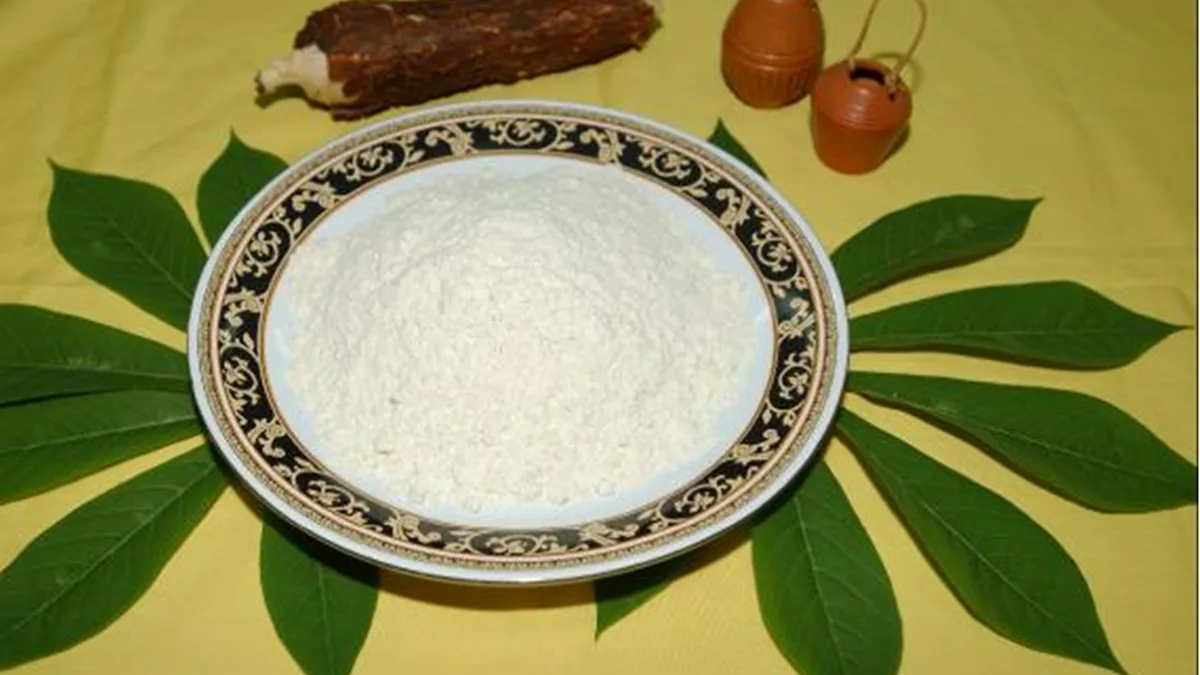
Cassava And Tapioca
| Recall | Cassava and Tapioca |
|---|---|
| Primary source plant | Manihot esculenta |
| First documented cultivation | Pre-Columbian era |
| Country of origin | South America |
| Original use | Staple food crop |
| Part used | Root tuber |
| Key processed form | Tapioca pearls/starch |
| Toxicity when raw | Contains cyanogenic glycosides |
| Major producing region | Tropical regions worldwide |
Origin and history
Cassava, the plant from which tapioca is derived, is native to South America, specifically the region of Brazil and parts of Paraguay. Its domestication by indigenous peoples is believed to have occurred at least 7,000 to 10,000 years ago. The plant was a staple for pre-Columbian civilizations and was spread by Portuguese and Spanish traders to Africa and Asia by the 16th century. Tapioca, the processed starch extracted from the cassava root, has a more specific documented history emerging from these indigenous processing techniques developed to remove its natural toxins. The term "tapioca" itself originates from the Tupi word "tipi'óka," referring to the process of pressing and drying the starch. Its use transitioned from a traditional food staple to a globally traded commodity and ingredient over several centuries, with industrial processing methods solidifying in the 19th and 20th centuries.
Ingredients
Cassava root (Manihot esculenta) Water For traditional tapioca pearl production: additional starch and sometimes caramel or other plant-based colorants for brown pearls.
How to make it
- Harvest mature cassava roots and wash them thoroughly to remove soil. 2. Peel the tough, brown outer skin to reveal the starchy white flesh inside. 3. Grate or crush the peeled roots into a pulp to break open the cell walls and release the starch. 4. Wash the pulp repeatedly with water, allowing the starch to separate and settle at the bottom of the container. 5. Drain off the water and collect the wet starch sediment, which is raw cassava starch. 6. For tapioca pearls, the wet starch is partially gelatinized, kneaded, and then pushed through a sieve to form pellets, which are then dried. 7. The dried pearls or other forms (like flakes or flour) are then packaged for storage and use.
Variations and serving
Tapioca is most commonly recognized in its pearl form, which varies in size from small to large "boba" balls used in bubble tea. Beyond pearls, it is sold as flour, flakes, sticks, and as a coarse meal known as farofa in Brazil. In cooking, the starch serves as a thickener for pies, soups, and puddings, with tapioca pudding being a classic Western dessert. In many tropical countries, cassava root itself is boiled, fried, or baked and consumed as a vegetable, similar to potatoes. The fermented cassava pulp is used to make flatbreads like *casabe* in the Caribbean. In West Africa, it is processed into *garri*, a granular food that can be eaten with water or used as a dough.
Overview
Cassava is a perennial woody shrub cultivated for its large, tuberous roots, which are a critical source of carbohydrates in tropical regions. Tapioca is the almost pure starch extracted from these roots through a process of washing and pulping. This starch is notable for being gluten-free, grain-free, and nearly protein-free, making it a key ingredient in specific dietary contexts. Its functionality lies in its ability to provide clear gels, thicken without clouding, and create a unique chewy texture when formed into pearls. While cassava root is a dietary staple for hundreds of millions, tapioca starch has found industrial and culinary applications far beyond its origins. Its role has shifted from a traditional, localized staple to a mainstream global ingredient in gluten-free products and bubble tea.
What to know
Fresh cassava root contains naturally occurring cyanogenic glycosides, which can release cyanide and must be removed through proper processing like soaking, fermentation, drying, or cooking. Tapioca starch, as a purified product, is free from these compounds and is safe for consumption. Nutritionally, both cassava and tapioca are high in carbohydrates but low in protein, fats, vitamins, and minerals compared to other staple grains and tubers. The crop is highly drought-resistant and can grow in poor soils, contributing to its importance for food security. In global trade, tapioca starch is a commodity used in food, paper, textile, and adhesive industries. Its recent mainstream popularity in Western diets is largely tied to the rise of gluten-free alternatives and the global spread of bubble tea culture.
Common questions
Is tapioca the same as cassava? Tapioca is the starch extracted from the cassava root; they are related but not identical products. Is tapioca gluten-free? Yes, tapioca starch is naturally gluten-free and is a common ingredient in gluten-free flour blends. What is the difference between small and large tapioca pearls? Small pearls are typically used for puddings, while large pearls are designed for bubble tea and require longer cooking. Why are my tapioca pearls mushy or hard? This is usually due to incorrect cooking times or water temperature, or using pearls past their shelf life. Can I eat raw cassava? No, raw cassava must not be consumed due to its potential cyanide content; it must always be properly prepared. Is tapioca nutritious? Tapioca provides primarily carbohydrates and energy, with minimal other nutrients, so it is not considered a nutrient-dense food.
Pros and cons
The primary advantage of cassava is its agricultural resilience, providing reliable calories in challenging growing conditions where other crops may fail. Tapioca starch is prized for its neutral flavor, clear gelling properties, and excellent texture, making it a versatile thickener and the key to unique products like boba. A significant drawback is its very low nutritional profile beyond carbohydrates, which can contribute to poor dietary quality if it dominates a diet without complementary protein and vitamin sources. The common mistake is improper preparation of fresh cassava, which can lead to toxicity, though this risk is absent in commercially processed tapioca. Consumers seeking gluten-free alternatives sometimes regret relying heavily on tapioca-based products due to their high glycemic index and potential to cause blood sugar spikes. In bubble tea, poorly cooked or stored pearls become unpleasantly hard or disintegrate into a slimy mess, ruining the drink.
Who it suits
Cassava as a root vegetable suits populations in tropical regions requiring a reliable, starchy staple crop that can withstand variable rainfall and poor soil. Tapioca starch suits industrial food manufacturers needing a clear, stable thickener for soups, sauces, and pie fillings, as well as producers of gluten-free baked goods and pasta. It suits individuals with celiac disease or gluten intolerance who require a safe starch for cooking and baking. The product suits home cooks making traditional puddings or exploring Asian desserts and bubble tea. It does not suit individuals seeking high-protein or nutrient-dense food sources, nor those managing diabetes who must carefully monitor their intake of refined, high-glycemic carbohydrates. It also may not suit cooks unfamiliar with the precise techniques required to properly hydrate and prepare tapioca pearls.