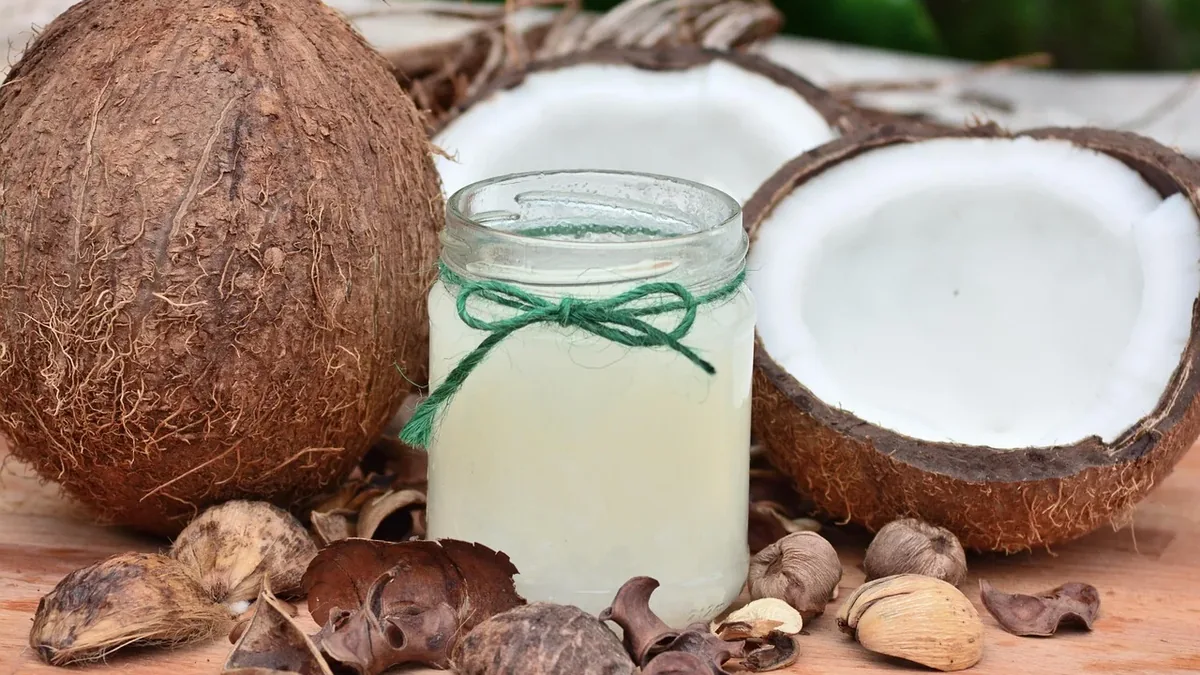
Coconut In All Its Forms
| Primary form | Coconut meat (kernel) |
|---|---|
| Other common forms | Coconut water, coconut milk, coconut cream, coconut oil, desiccated coconut |
| Original use | Food and drink |
| Processing level | Ranges from raw (water, fresh meat) to highly processed (refined oil, cream) |
| Shelf life | Varies widely by form, from days (fresh) to years (dried, oil) |
| Storage | Varies by form; generally cool, dry place for processed, refrigerated for fresh |
Origin and history
The coconut palm (*Cocos nucifera*) originated in the Indo-Pacific region, with its evolutionary cradle spanning Southeast Asia and Melanesia. Its domestication and spread are ancient, facilitated by its buoyant, water-resistant fruit that allowed it to disperse via ocean currents and human migration. Documented use of the coconut dates back millennia, with evidence of its cultivation and utilization in South Asian and Austronesian societies for over 4,000 years. These ancient cultures exploited every part of the plant for food, water, fiber, and building materials, establishing its foundational role in tropical subsistence economies. European explorers in the Age of Discovery documented the coconut in the late 15th and 16th centuries, noting its prevalence in coastal tropics worldwide. The plant's subsequent global distribution was accelerated by colonial trade networks, which established plantations in the Caribbean, Africa, and the Americas.
Ingredients
Coconut meat (fresh or dried) Coconut water (the liquid inside a young coconut) Coconut milk (extracted from grated meat) Coconut cream (the thicker, richer layer from milk) Coconut oil (extracted from the meat) Coconut sugar (made from sap of the flower buds) Coconut flour (dried, defatted, and ground meat) Coconut vinegar (fermented coconut water or sap) Desiccated coconut (finely grated, dried meat) Coconut butter (pureed whole meat, including oil) Coconut aminos (fermented coconut sap, a sauce) Coconut yogurt (cultured coconut milk)
How to make it
- Select a mature, brown-husked coconut and drain the residual water by piercing the softest "eye."
- Using a hammer or the back of a heavy cleaver, firmly tap around the equator of the coconut while rotating it to crack it open. 3. Pry the hard shell apart and remove the firm, white meat using a blunt knife or spoon. 4. Peel the thin brown skin from the meat pieces with a vegetable peeler for a pure white result. 5. Grate the meat using a box grater or food processor fitted with a shredding disk. 6. To make fresh coconut milk, combine the grated meat with hot water, let it steep, then squeeze through cheesecloth. 7. The first pressing yields thick cream; a second pressing with more water produces thinner milk. 8. To make dried coconut, spread the grated meat thinly and dry it in a dehydrator or very low oven until desiccated.
Variations and serving
Coconut meat is consumed fresh, dried as flakes or desiccated, or pressed into blocks of creamed coconut. Coconut water is drunk fresh from young, green coconuts or packaged, and serves as a base for beverages and fermentation. Coconut milk and cream form the foundational liquid for countless curries, soups, and stews across Southeast Asian, South Asian, Caribbean, and Brazilian cuisines. Refined coconut oil is neutral in flavor for high-heat cooking, while virgin coconut oil retains a distinct aroma and is used for sautéing, baking, or as a finishing oil. Coconut sugar presents as a granulated or block form sweetener, while coconut flour is a dense, gluten-free alternative in baking requiring additional moisture. Coconut aminos serve as a soy-free, savory condiment, and coconut vinegar provides a slightly sweet acidity in dressings and pickles, particularly in Filipino cuisine.
Overview
The coconut is a drupe, not a true nut, consisting of a fibrous husk, a hard shell, the white meat (endosperm), and the internal water. Its shift to mainstream status in global pantries is driven by the demand for plant-based, allergen-friendly, and paleo or keto-compliant ingredients. Each form represents a different physical or chemical processing of the core meat or sap, transforming it into versatile culinary and industrial products. The fruit's stability and utility have made it a critical economic crop for tropical nations, with the Philippines, Indonesia, and India being leading producers. Its integration into Western food systems moved from specialized ethnic markets to ubiquitous supermarket aisles, propelled by marketing of coconut water as a sports drink and coconut oil as a superfood. This mainstream adoption represents a commodification of a traditional, multi-use staple into segmented, single-purpose consumer goods.
What to know
The flavor profile varies dramatically between forms: neutral in refined oil, nutty and rich in toasted coconut, and subtly sweet and floral in virgin oil and fresh water. Storage requirements differ; unopened coconut milk cans are shelf-stable, but fresh meat and opened milk spoil quickly and require refrigeration. Coconut oil is solid below approximately 76°F (24°C) and liquid above it, a property important for recipes and cosmetic use. The high saturated fat content of coconut meat, milk, cream, and oil, primarily lauric acid, remains a topic of nutritional debate despite its mainstream popularity. Commercial coconut milk often contains stabilizers like guar gum to prevent separation, while traditional preparations naturally separate into cream and water layers. Sourcing ethically produced coconut products is a consideration, as intensive demand can impact smallholder farming practices and deforestation in producing regions.
Common questions
Is coconut a tree nut allergen? Botanically it is not, but the FDA classifies it as a tree nut for labeling; allergic reactions are possible but less common than to peanuts or tree nuts. What is the difference between coconut milk and cream? Cream contains a higher percentage of fat and less water, typically the first pressing of grated meat, while milk is thinner from subsequent pressings. Can I substitute coconut oil for butter in baking? Yes, in a 1:1 ratio, but it will impart a coconut flavor unless refined and will create a denser texture in some applications. Why did my canned coconut milk solidify? This is natural separation; the cream rises and solidifies, so shaking the can or warming and stirring it will recombine the contents. Is coconut water the same as coconut milk? No, coconut water is the clear, sterile liquid inside a young coconut, while milk is an emulsion made by processing the meat with water. How is desiccated coconut different from coconut flour? Desiccated coconut is simply dried, grated meat, while flour is made from dried, defatted meat that is then finely ground into a powder.
Pros and cons
A significant pro is the ingredient's exceptional versatility, providing dairy-free, grain-free, and soy-free alternatives across cooking and baking applications. The long shelf life of many processed forms, like dried coconut, oil, and canned milk, makes them practical pantry staples with reliable availability. A primary con is the high calorie and saturated fat density of the meat, milk, cream, and oil, which can undermine health goals if consumed in large quantities without caloric consideration. Many consumers regret choosing coconut-based products like yogurt or ice cream without tasting first, as the flavor profile is distinct and not always a perfect substitute for dairy, leading to food waste. A common mistake is substituting coconut flour 1:1 for wheat flour, which fails catastrophically due to its high fiber and lack of gluten, requiring recipe-specific adjustments and more eggs or liquid. The mainstream "health halo" can lead to overconsumption and inflated pricing, while the environmental cost of long-distance transport from tropical origins is a systemic drawback.
Who it suits
This ingredient suits individuals following specific dietary frameworks that restrict grains, legumes, or dairy, such as paleo, keto, and certain autoimmune protocols. It is essential for those with dairy allergies or lactose intolerance seeking creamy textures in cooking, baking, and beverages. Home bakers and chefs experimenting with gluten-free formulations often use coconut flour and flakes for texture and moisture management in baked goods. People in non-tropical regions seeking a sustainable, multi-use plant product, valuing the principle of using the entire fruit, find the range of forms advantageous. It also suits consumers looking for minimally processed sweetener alternatives, as with coconut sugar, or savory soy alternatives, as with coconut aminos. However, it is less suited for those managing heart health who are advised to limit saturated fat intake, or for anyone who strongly dislikes the pervasive, sweet-nutty flavor characteristic of many coconut products.