
Coconut Water And Plant Milks
Origin and history
Coconut water is the clear liquid found naturally inside young, green coconuts, primarily from the Cocos nucifera palm tree, which is native to tropical regions globally, especially Southeast Asia and the Pacific Islands. Its consumption as a beverage is ancient, tied directly to the cultivation of coconut palms for thousands of years in these regions. Plant-based milks, in contrast, are not a single invention but a category of beverages made by extracting plant material in water. The documented history of plant milks spans centuries across various cultures, with almond milk recorded in medieval European and Middle Eastern cookery as early as the 13th century. Soy milk has origins in ancient China, dating back at least to the 14th century as a traditional food. The contemporary shift of both coconut water and a wide variety of plant milks from niche or traditional products to mainstream global commodities began in earnest in the late 20th and early 21st centuries. This movement was driven by rising lactose intolerance awareness, veganism, environmental concerns, and sophisticated commercial production and packaging.
Ingredients
For coconut water: The sole ingredient is the clear liquid endosperm from inside a young, green coconut. For commercially packaged pure coconut water, no other ingredients are added, though some brands may add fruit juices or sweeteners for flavored versions. For homemade plant milks, the core ingredients are a plant base and water. Common plant bases include almonds, oats, soybeans, rice, cashews, coconuts (for coconut milk, which is different from coconut water), hemp seeds, or peas. Optional ingredients for flavoring or preservation include salt, sweeteners like dates or maple syrup, vanilla extract, or stabilizers like gellan gum or lecithin. Commercial plant milks often contain added vitamins and minerals, such as calcium, vitamin D, and vitamin B12, to nutritionally approximate or fortify relative to dairy milk. Thickening agents like carrageenan or guar gum are also common in shelf-stable varieties to improve texture and prevent separation.
How to make it
- For coconut water: Harvest a young, green coconut, puncture the soft eyes at the top, and drain the clear liquid inside; commercial production involves sterile extraction and packaging. 2. For a basic homemade plant milk like almond milk: Soak one cup of raw almonds in water for 8-12 hours to soften. 3. Drain and rinse the soaked almonds, then place them in a blender with four cups of fresh, clean water. 4. Blend the mixture on high speed for one to two minutes until the water is cloudy and white and the almonds are finely ground. 5. Strain the blended liquid through a nut milk bag or several layers of cheesecloth into a large bowl, squeezing thoroughly to extract all liquid. 6. Transfer the strained milk to a clean bottle or jar; it can be stored in the refrigerator for up to four days, and the leftover pulp can be used in baking.
Variations and serving
Coconut water is most commonly served chilled and plain, straight from the coconut or a packaged bottle, prized for its mild, slightly sweet and nutty flavor. It is also used as a base in smoothies, cocktails like a Piña Colada, or non-alcoholic mocktails, and can be incorporated into soups, curries, or for cooking rice for a subtle flavor. Plant milk variations are extensive, defined by their base ingredient: almond milk is light and slightly sweet, oat milk is creamy and neutral, soy milk is higher in protein and beany, cashew milk is rich and smooth, and rice milk is sweet and thin. These milks are served directly as beverages, poured over cereal, used in baking and cooking as a 1:1 substitute for dairy milk in most recipes, or frothed for coffee drinks. Flavored versions of both categories are widely available, including chocolate or vanilla plant milks and coconut water blended with pineapple or mango. Savory applications include using unsweetened plant milks in creamy sauces, mashed potatoes, or savory soups, while coconut water can be used in marinades for its tenderizing enzymes.
Overview
Coconut water and plant milks represent a significant shift in global beverage consumption, moving from traditional, regional, or specialist items to mainstream pantry staples. Coconut water is marketed as a natural hydration and sports drink due to its electrolyte content, particularly potassium, while plant milks serve as direct alternatives to dairy for dietary, ethical, or sensory reasons. The growth of this category is underpinned by advances in food technology that improve taste, texture, and shelf stability, making products palatable to a broad audience beyond those with dietary restrictions. Retail spaces now dedicate substantial shelf space to a multitude of plant milk options, and coconut water is ubiquitous in convenience stores far from tropical shores. This shift reflects changing consumer priorities around health, sustainability, and animal welfare, and has spurred significant investment and innovation from both startup brands and major food conglomerates. The category's expansion continues to evolve with new base ingredients, improved nutritional profiles, and more sophisticated processing methods to mimic the functional properties of dairy.
What to know
Pure, unadulterated coconut water from a young coconut is low in calories and sugar, while some packaged versions may have added sugars or flavors, so checking labels is important. The electrolyte profile of coconut water is not equivalent to a medical-grade oral rehydration solution, though it can serve as a mild post-exercise replenisher for casual athletes. Plant milks are not nutritionally identical to dairy milk; their protein, fat, and carbohydrate content varies drastically by base, with soy and pea milks being highest in protein, while almond and rice milks are very low. Many commercial plant milks are fortified, but the bioavailability of added nutrients like calcium can differ from those naturally occurring in dairy. From an environmental perspective, different plant milks have vastly different water usage and land footprints; almond milk, for instance, is often criticized for high water demand, whereas oat milk generally has a lower environmental impact. Consumers should be aware that "coconut milk" sold in cans for cooking is a different product entirely, made from blending coconut flesh with water, and is much higher in fat and calories than coconut water or most beverage plant milks.
Common questions
A common question is whether coconut water and coconut milk are the same, which they are not; coconut water is the clear juice, while coconut milk is a creamy emulsion made from grated coconut meat. People often ask if plant milks can be used in cooking and baking exactly like dairy milk, and the answer is generally yes for most recipes, though the flavor and browning may be slightly affected. Many inquire about the healthiest plant milk, which depends on nutritional priorities; soy milk is often noted for its complete protein profile, while unsweetened varieties of any type are lower in added sugars. A frequent concern is about additives like carrageenan in plant milks, a stabilizer some prefer to avoid due to potential digestive sensitivity, though it is generally recognized as safe by food authorities. Consumers commonly question the shelf life of unopened shelf-stable plant milks and coconut water, which can be many months due to aseptic packaging, but once opened, they must be refrigerated and consumed within a few days. People also ask if homemade plant milk is more nutritious than store-bought, and while homemade avoids additives, it lacks the fortification with vitamins and minerals commonly found in commercial versions.
Pros and cons
A primary pro of coconut water is its natural electrolyte content, providing potassium and magnesium without artificial colors or sweeteners found in many sports drinks. Plant milks offer a viable alternative for those with lactose intolerance, milk allergies, or following vegan diets, increasing dietary inclusivity. The cons are significant; many commercial plant milks and flavored coconut waters contain added sugars, undermining their health halo, and their nutrient profiles are often inferior to dairy milk unless fortified. A common mistake is assuming all plant milks are nutritionally equivalent or automatically healthier than dairy, leading to poor dietary choices if protein or calcium intake is not monitored. Texture and taste can be inconsistent between brands and types, with some products having an unpleasant chalkiness, thinness, or strong bean-like aftertaste that consumers find off-putting. From a sustainability angle, while plant milks generally have a lower carbon footprint than dairy, some, like almond milk, are criticized for high water usage, and coconut water's global transport footprint is considerable. People often regret choosing a plant milk based solely on marketing without checking for added sugars, inadequate protein, or the presence of thickeners they wish to avoid.
Who it suits
Coconut water suits individuals seeking a natural-tasting, lightly sweet hydration beverage, particularly after light to moderate exercise in warm climates, though it is not suitable for severe dehydration. It also appeals to those looking for a dairy-free, nut-free mixer for cocktails or smoothies. Plant milks suit people with lactose intolerance or a cow's milk protein allergy, providing a safe and versatile liquid for cereal, drinking, and cooking. They are essential for vegans and those following plant-based diets for ethical or environmental reasons, serving as the foundational liquid in many recipes. These products also cater to consumers simply curious about new flavors or seeking to reduce their consumption of animal products for personal health reasons, even if they are not strictly dairy-free. They are less suitable for individuals with specific nutritional requirements who do not carefully read labels, such as young children needing high fat and protein, or those with nut or soy allergies who must select their base carefully. They also may not satisfy traditionalists or culinary professionals in applications where the unique properties of dairy, like specific browning or cheese-making capabilities, are required.
Latest Coconut Water And Plant Milks news
Latest reporting
Vegan Society of Ireland urges plant-based fund in Budget
The Vegan Society of Ireland is calling for a state-backed Plant-Based Food Fund and national strategy in Budget 2027 to reverse the collapse of...

Gosh Expands Super Plants Range with Fibre-Rich Burgers
Gosh launches two high-fibre, whole-food veggie burgers into Tesco, responding to UK demand for protein, plant diversity, and minimally processed...

Plant-Based Milks, Vegan Snacks Expand in Retail
École Ducasse launches plant-forward courses for 2027, while Ripple Foods and Glebe Farm introduce new dairy-free milks.
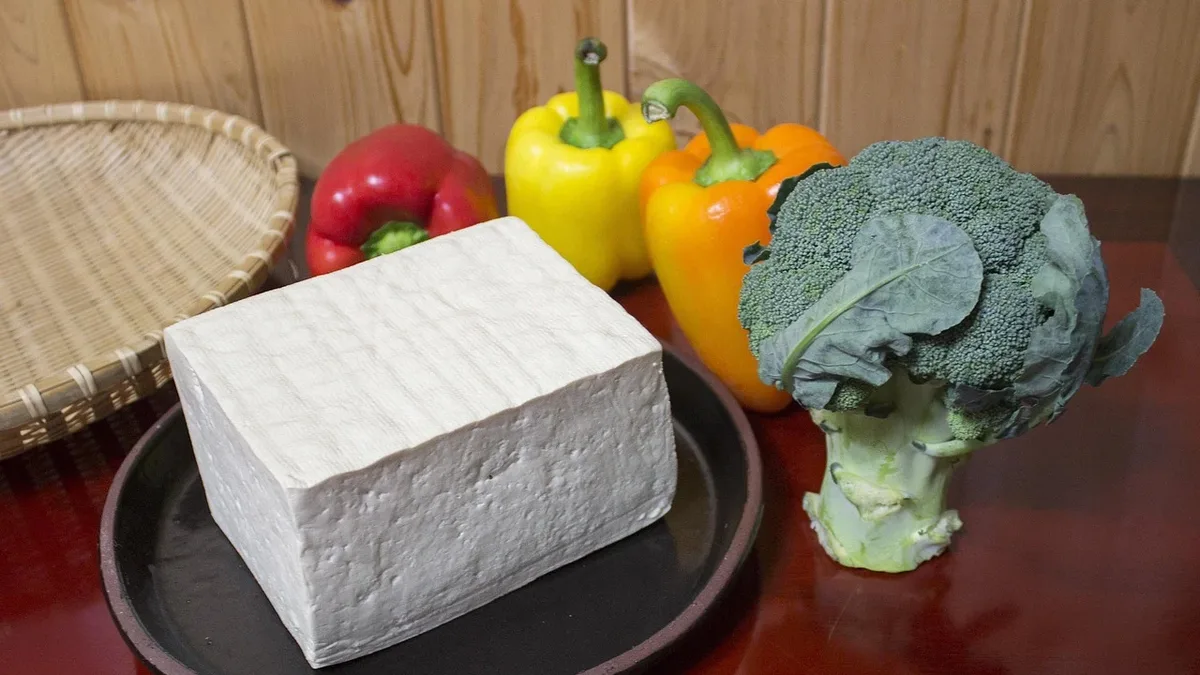
La Vie Launches Tofu Range at Tesco and Ocado
Plant-based brand La Vie has launched its first tofu products in the UK. The Tofu Pan Fry Teriyaki and Tofu Nuggets are now available at Tesco and...
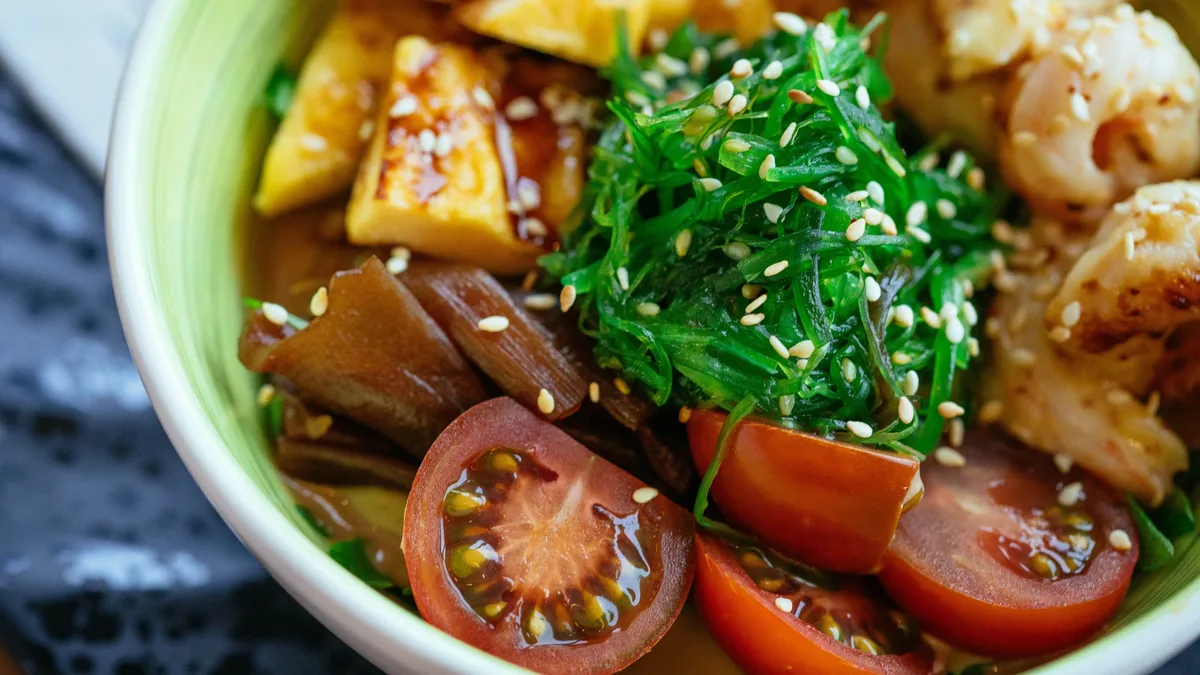
La Vie Launches Tofu Nuggets and Teriyaki Cubes in UK
French plant-based brand La Vie has launched two ready-to-cook tofu products in the UK, targeting flexitarians with 'tofu that thinks it's chicken' as

Spain's Elian secures $46M for EU plant
Spanish agrifood firm Elian has received a €40 million investment from the state-owned fund Cofides to expand its Barcelona plant-based protein...