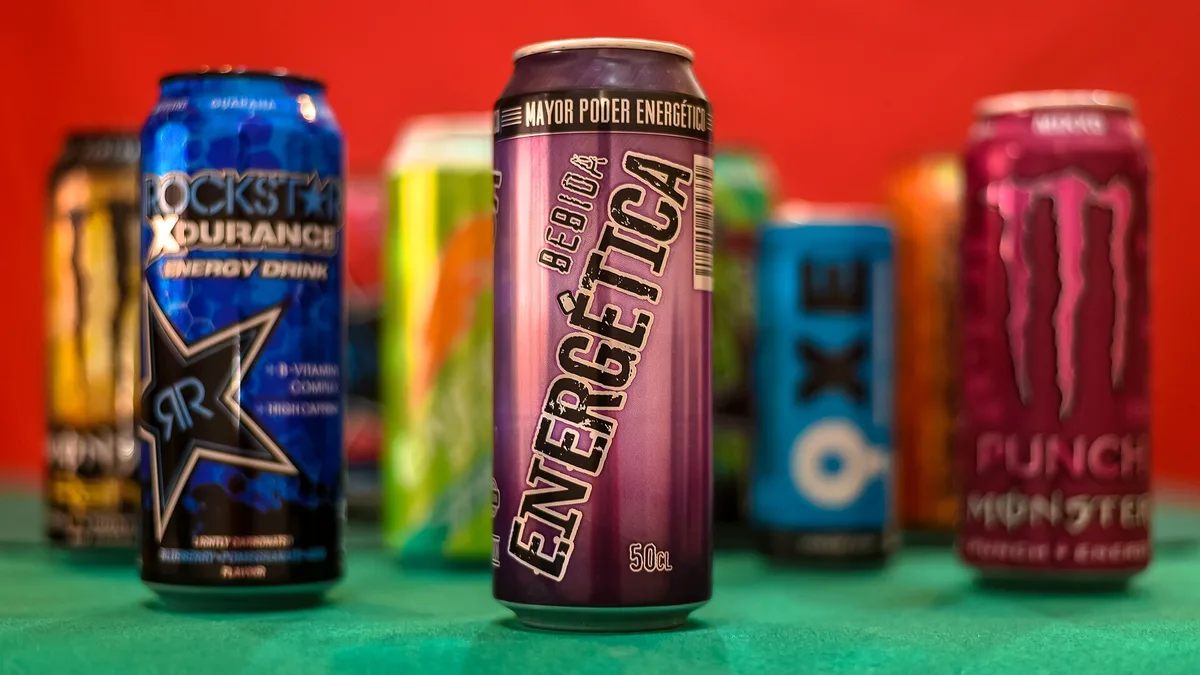
Functional And Fortified Drinks
| Primary function | Health support or nutrient delivery |
|---|---|
| Typical format | Liquid beverage |
| Common fortification types | Vitamins, minerals, amino acids, probiotics |
| Common functional additions | Caffeine, taurine, guarana, adaptogens |
| Typical consumption occasion | Pre- or post-exercise, energy boost, meal replacement |
| Primary consumer motivation | Convenience, targeted benefit, wellness |
| Regulatory classification | Food or dietary supplement (varies by jurisdiction) |
Origin and history
Functional and fortified drinks are not a single invention but a broad category of beverages designed to deliver specific health benefits beyond basic hydration. Their conceptual origins can be traced to ancient traditions, such as medicinal herbal teas and broths prepared in various cultures for millennia. The modern commercial iteration, however, emerged primarily in Japan in the mid-20th century with the development of the first non-alcoholic, nutrient-fortified soft drinks. The global market for these products expanded significantly in the late 20th century, driven by growing consumer interest in health and wellness. The category saw another major surge in the early 21st century with the rise of fitness culture and the mainstreaming of supplements, leading to the proliferation of energy drinks, protein shakes, and enhanced waters. This shift from niche, specialist products to mainstream supermarket staples defines their current market position.
Ingredients
The base liquid, typically water, milk, plant-based milk, or fruit juice. Added macronutrients such as protein isolates (whey, soy, pea), branched-chain amino acids (BCAAs), or soluble fiber. Added micronutrients including vitamins (B-complex, C, D) and minerals (calcium, magnesium, zinc). Functional botanical extracts like ginseng, guarana, turmeric, or ashwagandha. Probiotic cultures (e.g., Lactobacillus, Bifidobacterium) or prebiotic fibers. Adaptogens such as rhodiola rosea or holy basil for stress response. Natural or artificial sweeteners like stevia, monk fruit, or sucralose. Thickening or emulsifying agents like xanthan gum or lecithin. Preservatives and acidity regulators to ensure shelf stability. Natural flavors and colors derived from fruit or vegetable concentrates. Added electrolytes like sodium, potassium, and magnesium for hydration. Caffeine from natural sources like coffee bean extract, green tea, or yerba mate.
How to make it
- Select a primary liquid base according to the desired drink type, such as chilled water for an electrolyte drink or milk for a protein shake. 2. Measure and add the primary functional ingredient, such as a precisely dosed scoop of protein powder or a pre-measured liquid vitamin mix. 3. Incorporate any additional dry supplements, like powdered greens, collagen peptides, or fiber powder, using a small whisk or shaker bottle to prevent clumping. 4. Add flavoring components, which could be a sugar-free syrup, a portion of fresh fruit, or a dash of pure vanilla extract. 5. If creating a smoothie-style drink, add ice and other whole food ingredients like spinach, nut butter, or oats to a blender and process until completely smooth. 6. For a carbonated functional drink, carefully mix a concentrated syrup containing nutrients and flavors with chilled, carbonated water just before serving. 7. Taste and adjust the consistency or sweetness, then consume immediately or store in a sealed container in the refrigerator for a short period.
Variations and serving
Variations span from ready-to-drink (RTD) canned or bottled products to powdered mixes intended for home preparation. The sports nutrition segment includes pre-workout drinks with stimulants, intra-workout drinks with electrolytes and carbohydrates, and post-workout recovery shakes high in protein. Wellness-oriented variations include enhanced waters with vitamins, herbal infusions for sleep or relaxation containing valerian root, and kombucha or other fermented drinks for gut health. Beauty-focused drinks incorporate collagen and biotin, while productivity-focused "nootropic" drinks contain compounds like L-theanine alongside caffeine. Serving styles are equally varied, from chilled cans consumed directly to elaborate smoothie bowls garnished with fresh fruit and seeds. The serving occasion dictates the format, ranging from a quick shot of a wellness elixir to a meal-replacement shake consumed slowly.
Overview
Functional and fortified drinks represent a diverse category of beverages engineered to deliver targeted nutritional, physiological, or cognitive benefits. They occupy a space between traditional foods, dietary supplements, and conventional drinks, often marketed for specific outcomes like improved energy, enhanced focus, better recovery, or immune support. The category's growth is fueled by consumer demand for convenience and personalized nutrition, allowing individuals to address perceived dietary gaps or lifestyle needs through liquid consumption. Regulatory frameworks differ globally, with some regions classifying them as foods and others as dietary supplements, affecting labeling and health claim permissions. The core premise is the addition of bioactive ingredients, vitamins, minerals, amino acids, herbs, or other compounds, into a drinkable format. This integration of supplementation into beverage form marks a significant shift in how nutrients are consumed, moving from pill bottles to the refrigerator aisle.
What to know
The efficacy of a functional drink heavily depends on the dosage and bioavailability of its active ingredients, which can be insufficient or poorly absorbed in some formulations. Many products contain significant added sugar or artificial sweeteners to mask the taste of functional ingredients, which can undermine their health positioning. The regulatory environment is complex; terms like "natural," "supports," or "boosts" are often structure/function claims not evaluated by agencies like the FDA for most products. There is a risk of nutrient overload or unintended interactions, especially for individuals who consume multiple fortified products alongside a balanced diet or prescription medications. The environmental impact is notable, as the category heavily relies on single-use plastic bottles, aluminum cans, and single-serving powder pouches. Consumers should scrutinize ingredient lists and nutrition labels, understanding that a "functional" label does not automatically equate to a healthful or necessary product.
Common questions
What is the difference between a fortified drink and a functional drink? Fortification specifically refers to adding micronutrients like vitamins and minerals that were not originally present, while functional drinks encompass a broader range of bioactive ingredients for health benefits. Are the vitamins in these drinks as effective as those from a pill? The bioavailability can vary; some water-soluble vitamins in liquid form may be readily absorbed, but fat-soluble vitamins require proper emulsification. Can these drinks replace meals? Only specific, calorie-dense meal replacement shakes are designed for this purpose; most functional drinks are supplements, not complete food substitutes. Do I need a protein shake after a workout? While convenient for meeting increased protein needs, whole food sources can serve the same purpose for most non-athletes. How much caffeine is typically in an energy drink? Amounts vary widely, from about 50mg to over 300mg per serving, often combined with other stimulants like guarana. Are probiotic drinks effective? Their efficacy depends on the specific strains used, their viability at consumption, and whether they survive stomach acid to colonize the gut.
Pros and cons
A primary advantage is convenience, offering a quick and portable method to ingest specific nutrients or compounds that might otherwise require preparing whole foods or taking multiple pills. They can effectively address documented nutritional deficiencies or support specific, intense lifestyle phases, such as athletic training, when whole food intake is impractical. A significant drawback is cost, as these products are often substantially more expensive per nutrient dose than whole foods or standard supplements. Many consumers regret the taste, as the functional ingredients can impart bitter, chalky, or artificial flavors that are challenging to mask completely. A common mistake is the "halo effect," where individuals overconsume or choose poorly formulated products high in sugar, believing the added nutrients justify the less healthy components. Furthermore, reliance on these drinks can sometimes displace a varied whole-food diet, leading to an imbalanced intake of other essential nutrients and fiber not present in the formulation.
Who it suits
These drinks suit individuals with highly active lifestyles, such as athletes and gym-goers, who have elevated and time-sensitive nutritional requirements for protein and recovery. They are practical for people with specific, diagnosed nutrient deficiencies or malabsorption issues who require a palatable, liquid delivery method for supplementation. Busy professionals seeking cognitive support or a convenient energy boost without coffee may find certain nootropic or energy formulations appropriate. They can also benefit those with medically supervised weight management plans who use specific, nutritionally complete meal replacements. However, they are generally unnecessary for individuals who maintain a balanced, varied diet and have no increased nutritional demands, as they add expense without significant benefit. They are ill-suited for children, pregnant or breastfeeding women, and individuals on certain medications without explicit medical advice, due to the risk of excessive intake and interactions.
Latest Functional And Fortified Drinks news
Latest reporting
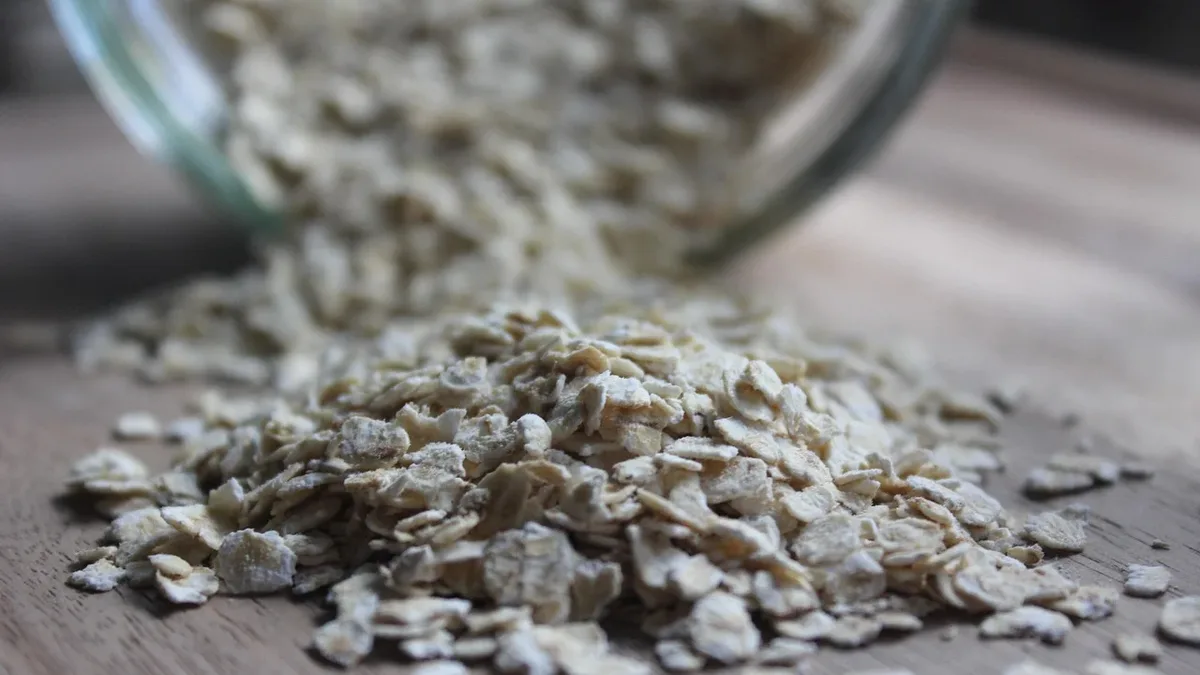
Oatly launches oat milk with 5g fibre per 250ml serving
Oatly has expanded its UK range with two new fibre-enriched oat drinks, each providing 5g of fibre per serving, to address the widespread national...

Confectionery Innovation Accelerates with Functional
Confectionery manufacturers are rapidly innovating, driven by consumer demands for health-focused functional ingredients, novel textures, and...

Greencovery raises €1M to scale cocoa waste
Dutch startup Greencovery secures €1 million to commercialize its technology for turning cocoa processing waste into functional food ingredients...

Mushroom Squared shifts from meat mimics to functional whole
Mushroom Squared is pivoting from plant-based meat to develop minimally processed, functional protein products centered on mushrooms, targeting...
Functional Beverage Demand Shifts to
Consumer demand for functional beverages is shifting from generic wellness claims to specific, outcome-driven benefits like cognitive support, calm

Pringles launches thick dippers, Pop-Tarts
Pringles introduces its thickest-ever chips for dipping, while Pop-Tarts collaborates with BuzzBallz on alcoholic drinks and Snoop Dogg's Dr.