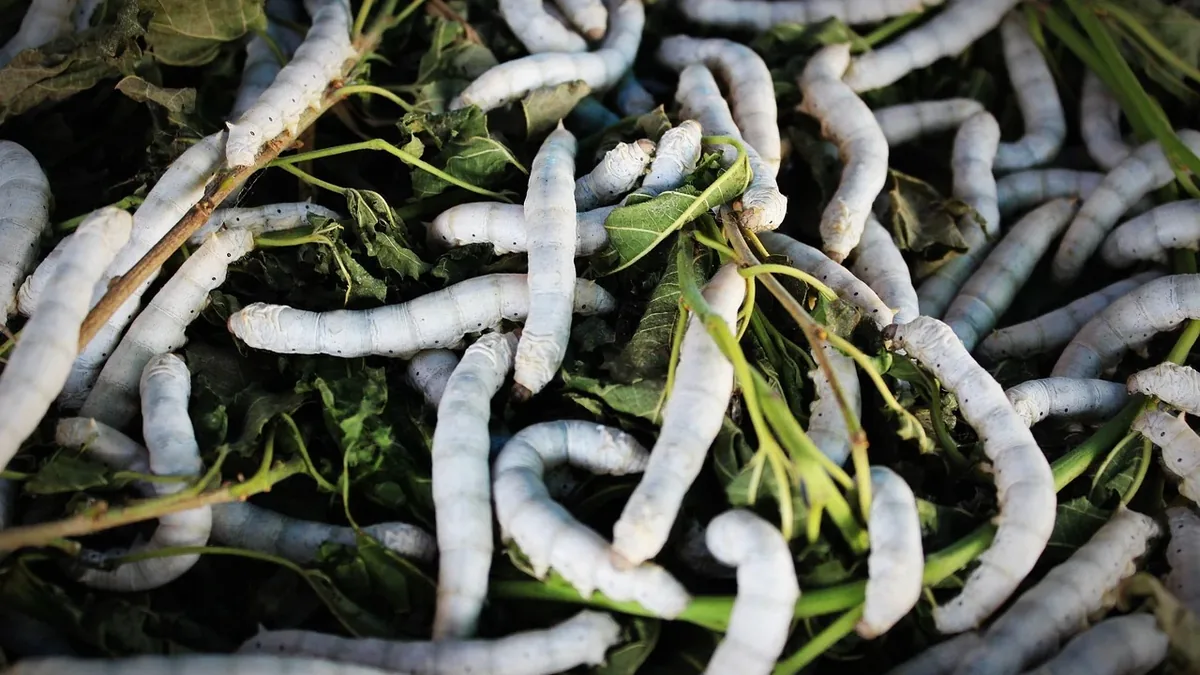
Insect Protein
| Source | Insects |
|---|---|
| Common species | Crickets, mealworms, black soldier fly larvae |
| Format | Powder, flour, whole dried, protein bars, snacks |
| Protein content | High (varies by species and processing) |
| Fat content | Varies by species and processing |
| Allergen note | Potential for shellfish allergy cross-reactivity |
| Original use | Animal feed, niche traditional foods |
Origin and history
Insect protein, as a concept for human consumption, originates from the long-standing entomophagy practices of many cultures worldwide, particularly across regions of Africa, Asia, and Latin America. Its modern development as a commercial ingredient for Western markets began in earnest in the early 21st century, driven by sustainability research. The pivotal moment was a 2013 report by the United Nations Food and Agriculture Organization (FAO) which formally advocated for insects as a sustainable protein source. This catalyzed scientific and commercial interest in Europe and North America, moving the concept from academic circles into startup ventures. Initial products were launched in the mid-2010s, primarily in the form of whole roasted snacks and protein powders. The ingredient's history is therefore a fusion of ancient traditional use and recent technological innovation aimed at addressing contemporary food system challenges.
Ingredients
Insect protein as a primary ingredient is derived from farmed insects. Commonly farmed species include the black soldier fly larvae, mealworms, crickets, and grasshoppers. The final protein ingredient is typically a powder, flour, or paste. It may be sold as a pure, single-ingredient product. For consumer foods, it is often combined with other flours, spices, and binders. In finished products like snack bars or pasta, it is listed as "cricket flour" or "insect protein."
How to make it
- Farm insects in controlled, hygienic environments on approved feed substrates such as grains or vegetable matter. 2. Harvest the insects at the appropriate life stage, most commonly as larvae or adults. 3. Subject the harvested insects to a starvation period to clear their digestive tracts. 4. Humanely kill the insects, typically via freezing. 5. Clean and then blanch or steam the insects to sterilize them. 6. Dry the insects thoroughly using ovens or dehydrators. 7. For powder or flour, mill the dried insects into a fine particulate. 8. Sift the milled product to achieve a consistent texture suitable for its intended use.
Variations and serving
The most common variation is cricket flour, used to augment the protein content of baked goods, snacks, and pasta. Whole roasted or seasoned insects, such as mealworms or crickets, are sold as crunchy snacks or toppings. Insect protein bars and shakes represent a more familiar format for Western consumers, masking the ingredient's origin. Insect-based pasta, like fusilli or penne, incorporates cricket flour into the semolina dough. More processed forms include insect protein isolates and concentrates used in specialized sports nutrition or medical foods. In traditional contexts, insects are served in diverse ways, from fried street food in Southeast Asia to savory sauces in parts of Africa.
Overview
Insect protein is an animal-derived food ingredient sourced from farmed insects, promoted for its nutritional efficiency and lower environmental footprint compared to conventional livestock. It is a complete protein, containing all nine essential amino acids, and is also a source of healthy fats, vitamins like B12, and minerals such as iron and zinc. The core value proposition centers on its resource efficiency, requiring significantly less land, water, and feed per unit of protein produced. It represents a shift from being a niche novelty or traditional food to a mainstream ingredient in the alternative protein sector. Regulatory approval, particularly in the European Union and North America, has been a key driver for its commercial development. Its adoption is positioned as a pragmatic solution within the broader movement towards sustainable food systems.
What to know
The taste of pure insect powder is often described as earthy, nutty, or slightly savory, which can influence the flavor profile of final products. Allergenicity is a critical concern, as individuals with shellfish allergies may react to insect protein due to cross-reactivity with tropomyosin. Regulatory status varies globally; for example, novel food authorization is required in the EU for each insect species. Sourcing and transparency are vital, as the quality and safety of the ingredient depend heavily on the insect diet and farming conditions. It is not a vegan ingredient, which limits its market to vegetarians but may appeal to omnivores seeking to reduce their meat consumption. The "yuck factor" or psychological barrier remains a significant hurdle to widespread acceptance in many Western cultures.
Common questions
Is eating insects safe? When farmed, processed, and prepared under controlled conditions for human consumption, it is considered safe. Are insects considered meat? Biologically, they are animals, so insect protein is an animal protein, not a plant-based protein. Do you eat the whole insect? In powders and flours, the entire insect is typically dried and milled, while some products may use defatted protein extracts. How does the environmental impact compare? Life cycle assessments consistently show insects require less land and water and produce fewer greenhouse gases than cattle or pigs. Is it halal or kosher? Religious rulings vary; some Islamic scholars consider specific insects halal, while most insects are not considered kosher under traditional Jewish law. Where can I buy it? It is available online, in specialty health food stores, and increasingly in mainstream supermarkets in regions where it is approved.
Pros and cons
A significant pro is its exceptional resource efficiency, offering a high feed conversion rate and drastically lower water usage than livestock. It provides a nutritionally dense profile with high-quality protein, fiber (from chitin), and micronutrients. The con is that consumer aversion in Western societies remains a profound barrier to adoption, limiting market size. Another common mistake is assuming all insect protein products taste neutral; the distinct flavor can be off-putting if not expertly masked or formulated. Supply chain scalability is still developing, leading to higher costs compared to established plant proteins like pea or soy. Some who try it regret choosing highly visible formats like whole roasted insects as an introduction, finding the texture challenging, whereas incorporated flour formats often lead to better initial experiences.
Who it suits
This ingredient suits environmentally conscious consumers actively seeking to minimize their dietary footprint, particularly those unconvinced by plant-based meat alternatives. It is suitable for athletes and fitness enthusiasts looking for novel, complete protein sources to diversify their nutrition. It appeals to adventurous eaters and culinary early adopters interested in global food traditions and future trends. It is a practical option for pet food and aquaculture industries, where insect-based feeds are already gaining substantial traction. It is less suited to individuals with shellfish allergies, strict vegans, or those with strong psychological aversions to the concept. It may also appeal to policymakers and organizations focused on food security and circular economy models, where insects can be reared on organic waste streams.
Latest Insect Protein news
Latest reporting
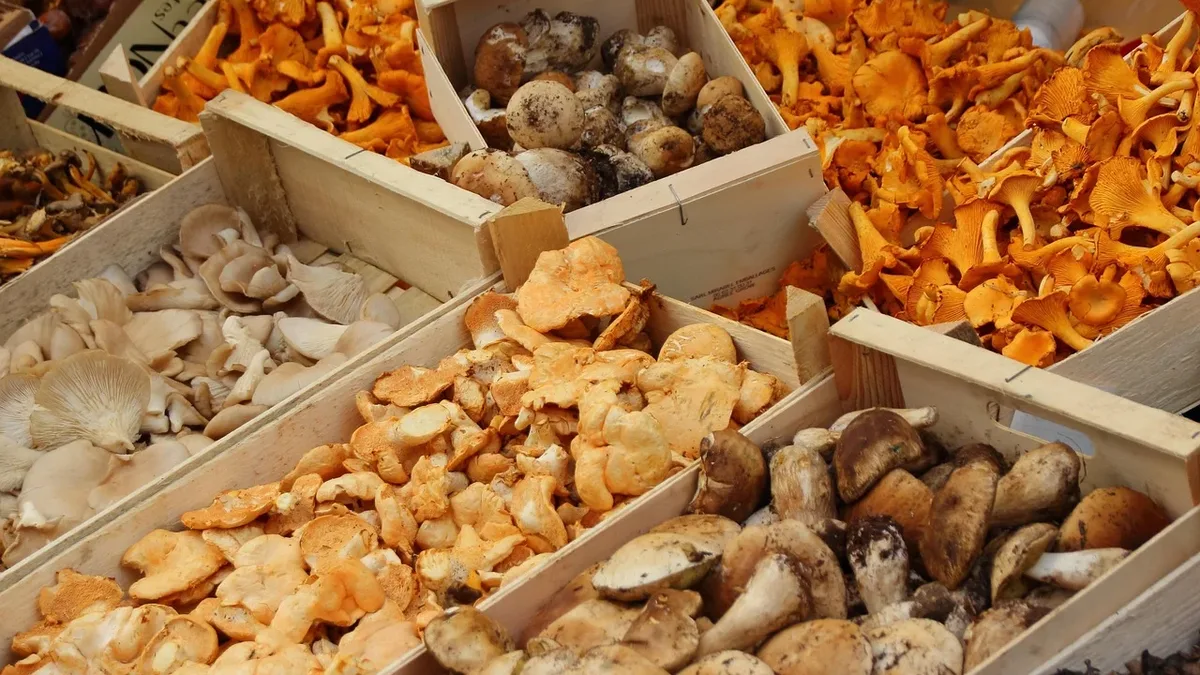
Fermented Okara Oyster Mushroom Protein Boosts Umami
NTU Singapore researchers used oyster mushroom mycelium to ferment okara, a soy byproduct, raising its protein content to over 30% and improving its...

Gosh Expands Super Plants Range with Fibre-Rich Burgers
Gosh launches two high-fibre, whole-food veggie burgers into Tesco, responding to UK demand for protein, plant diversity, and minimally processed...
Spain's Elian secures $46M for EU plant
Spanish agrifood firm Elian has received a €40 million investment from the state-owned fund Cofides to expand its Barcelona plant-based protein...

MicroLub Secures $10M to Scale Water-Based Fat Replacer
University of Leeds spinout MicroLub has raised $10 million to scale its water-based fat replacer. The ingredient system uses protein microgels to...

New Protein Factors Cut Calculated Content by Up to 20%
A new European database of food-specific protein conversion factors lowers calculated protein content by 5% to 20% compared to the long-standing...

Brazil's Treasury Backs Alternative Protein Innovation
Brazil's National Treasury has included alternative proteins as a core sector in a major public funding auction, earmarking up to R$2.5 billion in