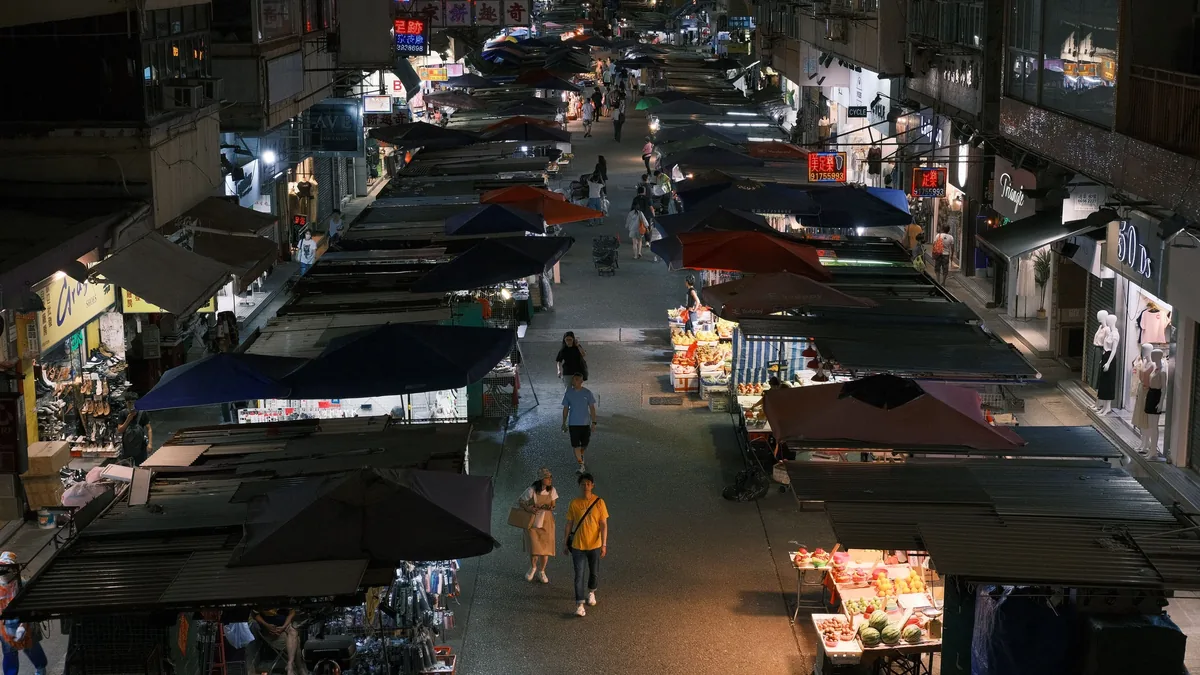
Night Markets And Hawker Centres
Origin and history
Night markets and hawker centres are a format of public dining and commerce originating in Southeast Asia, with deep roots in China and the broader region. Their modern form began to coalesce in the post-war decades of the mid-20th century, though their lineage stretches back centuries to traditional evening markets. In cities like Singapore, Kuala Lumpur, and Taipei, they evolved as a solution to regulate street food vendors, moving them into centralized, hygienic facilities. This formalization was often driven by municipal governments seeking to improve public health and urban management. The night market tradition, particularly strong in Taiwan, grew from historical temple fairs and roadside vendor gatherings that operated after dusk. This format provided essential, affordable meals for the working class and became a cornerstone of urban food culture, blending culinary traditions from Chinese, Malay, Indian, and other migrant communities.
Ingredients
The core ingredients of a night market or hawker centre are not food items, but the structural and human components that create the ecosystem. A critical ingredient is a high-density collection of independent, specialized food stalls, each often operating for generations. Essential infrastructure includes shared, utilitarian seating areas that encourage communal dining and efficient turnover of customers. Another key component is a reliable utilities framework providing high-voltage power for cooking equipment, water, and waste disposal systems. The environment requires heavy pedestrian traffic and proximity to residential or transit hubs to ensure a constant flow of patrons. A diverse mix of vendors offering distinct, regionally specific dishes at low price points is the fundamental culinary ingredient. Finally, a permissive atmosphere that accommodates extended evening hours, bustling noise, and informal social interaction is a necessary social ingredient.
How to make it
- Secure a large, open-air or semi-encovered public space with excellent pedestrian access, such as a vacant lot, field, or purpose-built concrete structure. 2. Establish a management system, either municipal or private, to lease stall spaces to individual vendor families, often with policies favoring traditional heritage stalls. 3. Install fundamental utilities: high-capacity electrical lines, running water access at each stall, and a centralized dishwashing or waste collection facility. 4. Permit vendors to fit their stalls with specialized equipment for their specific dish, such as wok burners, soup cauldrons, or roasting racks. 5. Arrange simple, durable tables and chairs in a common area unattached to any specific stall to promote shared seating. 6. Enforce basic health and safety codes while allowing vendors operational autonomy over their recipes, hours, and pricing. 7. Foster a critical mass of vendors to ensure sufficient variety, creating a self-reinforcing destination for affordable meals and snacks.
Variations and serving
The format varies significantly by region, with Taiwanese night markets typically being open-air streets lined with stalls selling both food and goods, operating nightly. Singaporean hawker centres are often purpose-built, hygienic complexes focused solely on food, operating from morning until late evening. Serving is almost exclusively informal: customers order directly at the stall, receive a numbered ticket, and collect their food when called, carrying it to a shared table. In some modern iterations, centralized payment systems or digital ordering via QR codes are being introduced, though cash remains dominant. The experience is inherently social and communal, with strangers frequently sharing tables during busy periods. Variations also exist in specialty, such as markets known for specific items like seafood, barbecue, or desserts, while others offer a comprehensive mix of savory mains, snacks, and drinks.
Overview
Night markets and hawker centres are a culinary and social format where numerous independent food vendors congregate in a common venue, offering affordable, specialized dishes to the public. They function as egalitarian dining rooms for cities, providing a vast array of meals at low cost in a no-frills, high-efficiency environment. The format is distinguished by its focus on culinary specialization, with stalls often perfecting a single dish over decades, and by its communal seating that breaks down social barriers. It serves as a vital preservation hub for regional and street food heritage, acting as an incubator for food culture without the overhead of a full restaurant. Economically, it provides a low-barrier entry point for small-scale food entrepreneurship and sustains a complex supply chain of fresh ingredients. As an institution, it is a cornerstone of daily life and cultural identity in Southeast Asia and beyond, recognized for its role in community building and urban sustenance.
What to know
The operational model relies on extreme specialization and high turnover, with vendors often preparing only a few dishes in large volumes to maintain quality and speed. Hygiene standards can vary widely between stalls and regions, though licensed hawker centres in places like Singapore undergo regular government inspections. Navigating one successfully often involves observing queue lengths, a reliable indicator of a stall's reputation and freshness, or seeking out stalls displaying heritage or award certificates. The social etiquette typically involves "choping" (reserving) a seat with a packet of tissues or umbrella before ordering, and promptly clearing your table after eating. While incredibly affordable, the business model faces pressures from rising ingredient costs, rental fees, and a shortage of younger generations willing to undertake the arduous work. The format has gained international recognition, with Singapore's hawker culture being inscribed on the UNESCO Representative List of the Intangible Cultural Heritage of Humanity.
Common questions
What is the difference between a night market and a hawker centre? A night market is typically a street market operating in the evening, selling food, goods, and clothing, while a hawker centre is a dedicated food complex operating all day. Is the food safe to eat? In regulated hawker centres, stalls are subject to health inspections; choosing busy stalls with high turnover generally ensures fresher ingredients. How do I pay? Most stalls operate on a cash-only basis, though some in major cities now accept digital payments; it is advisable to carry local currency in small denominations. Can I find vegetarian or halal food? Yes, many centres have stalls catering to specific dietary requirements, often clearly labeled; vegetarian and Muslim-owned stalls are common in multicultural cities. Are these places tourist-friendly? Yes, but visiting during off-peak hours can be less overwhelming, and observing how locals order and navigate can enhance the experience. Why are some stalls so famous? Reputation is built over years, often through consistent quality, unique family recipes, and recognition by local food guides or media.
Pros and cons
The format offers social vibrancy and a sense of community, providing an informal public space for all socioeconomic groups to dine. However, the experience can be overwhelming due to crowds, noise, heat, and a lack of clear signage or English menus, leading to decision fatigue. Physical discomfort is common, with basic seating, limited shade, and queues that can be prohibitively long for popular stalls. A significant con is the inconsistent hygiene, where some stalls may have lower standards despite inspections, posing a risk for travelers with sensitive stomachs. The business model is also under threat, as rising costs and grueling hours deter succession, potentially leading to the loss of unique culinary traditions and a homogenization of offerings.
Who it suits
This format ideally suits adventurous eaters and budget-conscious individuals who prioritize authentic flavor and cultural experience over comfort and service. It is excellent for groups wanting to sample many different dishes in one outing, as sharing from multiple stalls is a core part of the experience. Solo diners can also benefit from the informal atmosphere where sitting alone is common and unobtrusive. The format suits residents seeking daily, economical meals and visitors aiming to understand local food culture beyond restaurant settings. It is less suited for those requiring pristine quiet, air conditioning, extensive table service, or guaranteed consistency in hygiene standards. Individuals with severe mobility issues may struggle with the crowded, often uneven terrain and the need to carry food and navigate between separate ordering and seating areas.