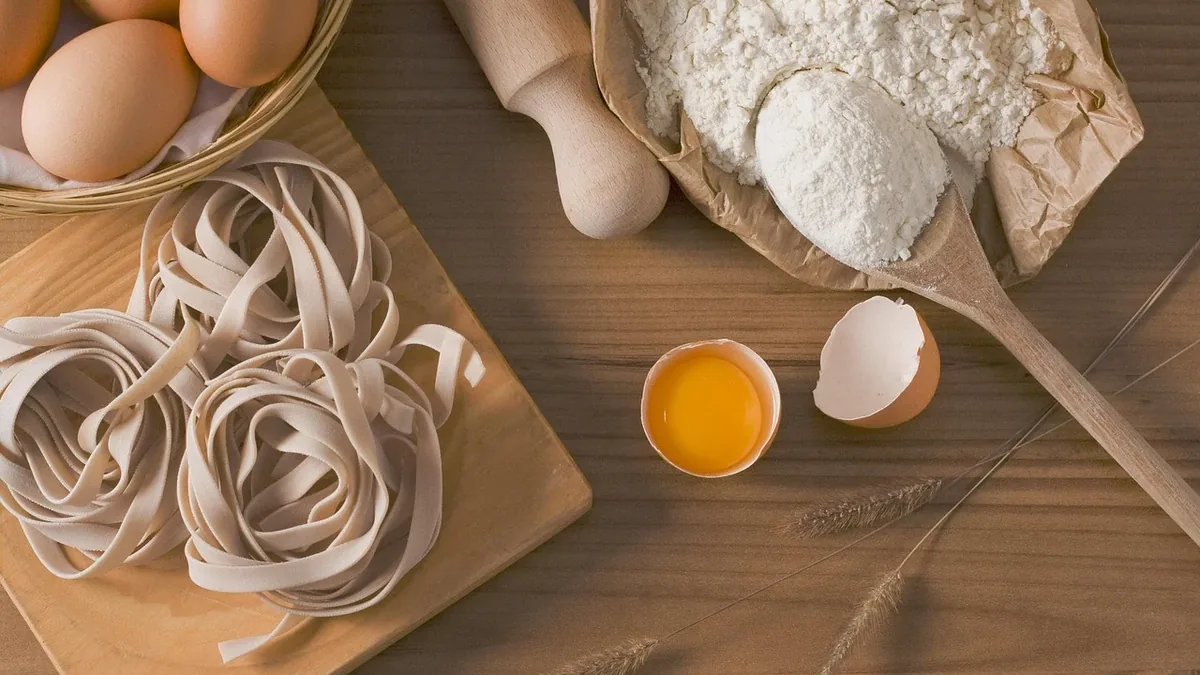
Noodles And Wheat Products
| Primary grain | Wheat |
|---|---|
| Format | Dried, fresh, or par-cooked |
| Typical base ingredients | Wheat flour, water, salt |
| Original use | Staple food item |
| Shelf life (dried) | Long, often 1-2 years |
| Common cooking method | Boiling |
| Common dishes | Soups, stir-fries, casseroles |
Origin and history
The earliest documented evidence of noodles made from wheat comes from China, specifically from the Lajia archaeological site along the Yellow River, dating to approximately 4,000 years ago. These ancient noodles were made from millet, but the shift to wheat-based noodles became dominant as wheat cultivation spread across Asia and later the world. The consumption of wheat noodles moved from a regional staple in parts of Asia to a global food format over many centuries, facilitated by trade along the Silk Road. Their mainstream adoption in Western diets is a more recent phenomenon, accelerating significantly in the post-World War II era with the spread of instant ramen and globalized food markets. The industrial production of dried pasta, a distinct form of wheat noodle, developed in Italy around the 13th century, establishing a parallel center of origin and culinary tradition. This dual-origin history underscores how the basic format of wheat dough shaped into strands or sheets has been independently refined and embraced across cultures.
Ingredients
Wheat flour, typically hard durum wheat for pasta or softer wheat for many Asian styles. Water. Salt, which strengthens gluten structure and flavors the dough. Eggs, used in many European noodle varieties like tagliatelle for richness and color. Alkaline salts (such as kansui), used in noodles like ramen or lo mein to create a firmer, springier texture and yellow hue. Occasional additions include vegetable juices or purees for color, and vitamins or minerals for enrichment in commercially produced versions.
How to make it
- Combine wheat flour and salt in a large mixing bowl, creating a well in the center. 2. Gradually add water (and eggs or alkaline solution if used) into the well, mixing with a fork or your fingers to incorporate the flour. 3. Knead the combined mixture on a lightly floured surface for 8-10 minutes until a smooth, elastic dough forms. 4. Wrap the dough tightly in plastic wrap and let it rest at room temperature for at least 30 minutes to relax the gluten. 5. Roll the rested dough out thinly using a rolling pin or pasta machine, dusting with flour to prevent sticking. 6. Cut the rolled sheet into desired shapes and widths, such as thin strands for spaghetti or wider ribbons for fettuccine. 7. Cook fresh noodles immediately in a large pot of boiling, salted water, or dry them thoroughly for storage.
Variations and serving
The primary variation lies in the shape and thickness, from fine capellini and vermicelli to broad pappardelle and lasagna sheets, each designed to hold different sauces. Asian wheat noodle variations include the chewy, alkaline ramen, the soft and springy udon, and the thin, quick-cooking somen, each with a distinct culinary application. Serving methods are fundamentally tied to regional cuisine, with Italian pasta typically served al dente and coated with sauces based on tomatoes, olive oil, cheese, or meat. In East Asian traditions, wheat noodles are often served in a flavorful broth as a soup noodle, or stir-fried with meats and vegetables in dishes like chow mein. Noodles can also be baked in casseroles, chilled in salads, or pan-fried to create a crispy texture, demonstrating immense versatility. The shift to mainstream global consumption is marked by the adaptation of these traditional forms to quick, shelf-stable formats like instant ramen and dried pasta, which prioritize convenience.
Overview
Noodles and wheat products constitute a foundational food category made primarily from a simple dough of wheat flour and water, which is then shaped and cooked. They serve as a crucial source of carbohydrates and energy in diets worldwide, with their consumption spanning from daily staples to celebratory dishes. The category encompasses a vast spectrum, from fresh, handmade artisanal products to industrially produced, dried goods designed for long shelf life and mass distribution. Their global proliferation represents a significant dietary shift, where a format once specific to certain agricultural regions has become a ubiquitous pantry item. This shift is driven by the ingredient's affordability, long shelf life in dried forms, and capacity for large-scale industrial production. The cultural integration of wheat noodles is so complete that they have spawned entirely localized dishes, such as American spaghetti and meatballs or Japanese instant cup noodles, far removed from their points of origin.
What to know
Wheat noodles are not inherently unhealthy, but their nutritional profile is heavily influenced by the type of wheat used, enrichment processes, and, most significantly, portion size and accompanying sauces. The glycemic index of noodles can vary, with whole wheat and legume-blend options providing more fiber and a slower release of energy compared to refined white flour versions. Gluten, the protein network that gives wheat dough its structure, makes these products unsuitable for individuals with celiac disease or non-celiac gluten sensitivity. Cooking technique is critical; overcooking leads to a mushy, unappealing texture, while undercooking, or achieving "al dente," provides more bite and can slightly lower the glycemic impact. The global supply chain for wheat is susceptible to climate shocks and geopolitical disruption, which can affect the price and availability of both raw materials and finished products. Understanding the difference between fresh, dried, and instant noodles is important, as instant varieties often come with flavoring packets high in sodium, saturated fat, and additives.
Common questions
What is the difference between pasta and noodles? The terms are often used interchangeably, but "pasta" typically refers to Italian-style wheat products, often made from durum wheat semolina, while "noodle" is a broader term encompassing global varieties, including those made from rice or other grains. Are wheat noodles and bread nutritionally the same? While both are made from wheat flour, the processing, density, and typical serving formats differ, with noodles often having a lower fat content than many breads unless cooked in rich sauces or oils. How should leftover cooked noodles be stored? They should be drained, cooled quickly, tossed with a small amount of oil to prevent sticking, and refrigerated in an airtight container for up to three days, though they are best reheated by sautéing or briefly dunking in hot water. Can you make wheat noodles without eggs? Yes, many traditional noodle recipes, including most Italian dried pasta and Asian styles like ramen or udon, use only flour, water, and salt or alkaline agents. Why do some recipes call for rinsing noodles after cooking? This is common in many Asian cuisines to remove excess surface starch and stop the cooking process, especially for cold noodle dishes or stir-fries where a slick texture is desired. Is it necessary to use a large amount of water to boil noodles? Using ample water prevents the noodles from sticking together and ensures the water returns to a boil quickly after adding them, leading to more even cooking.
Pros and cons
The primary advantage is their culinary versatility, affordability, and long shelf life in dried forms, making them a reliable pantry staple for quick meals. They provide a neutral base that readily absorbs and complements a wide array of flavors, from light broths to heavy cream sauces. A significant drawback is the common pitfall of overconsumption and pairing with calorie-dense, nutrient-poor sauces, which can contribute to an unbalanced diet high in refined carbohydrates and sodium. Many people regret choosing instant noodle varieties as a frequent meal due to their high sodium content, low fiber, and minimal protein, which can lead to quick hunger and poor nutritional intake. The production of conventional wheat noodles relies on intensive monoculture farming, which can have environmental impacts, and the format is generally unsuitable for those requiring gluten-free diets. A frequent mistake is overcooking, which ruins texture, and failing to salt the cooking water adequately, resulting in bland-tasting noodles regardless of the sauce.
Who it suits
This ingredient suits home cooks and professional chefs seeking a versatile, inexpensive, and filling foundation for countless savory dishes across multiple cuisines. It is well-suited for individuals and families on a tight budget, as dried pasta and noodles are among the most cost-effective sources of calories available. Busy individuals who rely on quick-cooking formats like instant ramen or dried spaghetti for convenience often utilize them, though attention to nutritional balance is advised. It suits those without gluten-related disorders who can digest wheat proteins without issue and are looking for a reliable source of carbohydrate energy. The format is ideal for institutional feeding in settings like schools, hospitals, and cafeterias due to its ease of large-scale preparation, storage, and customization. It also suits culinary traditionalists and enthusiasts interested in exploring the handmade techniques and regional variations of noodle-making as a craft.
Latest Noodles And Wheat Products news
Latest reporting
La Vie Launches Tofu Range at Tesco and Ocado
Plant-based brand La Vie has launched its first tofu products in the UK. The Tofu Pan Fry Teriyaki and Tofu Nuggets are now available at Tesco and...
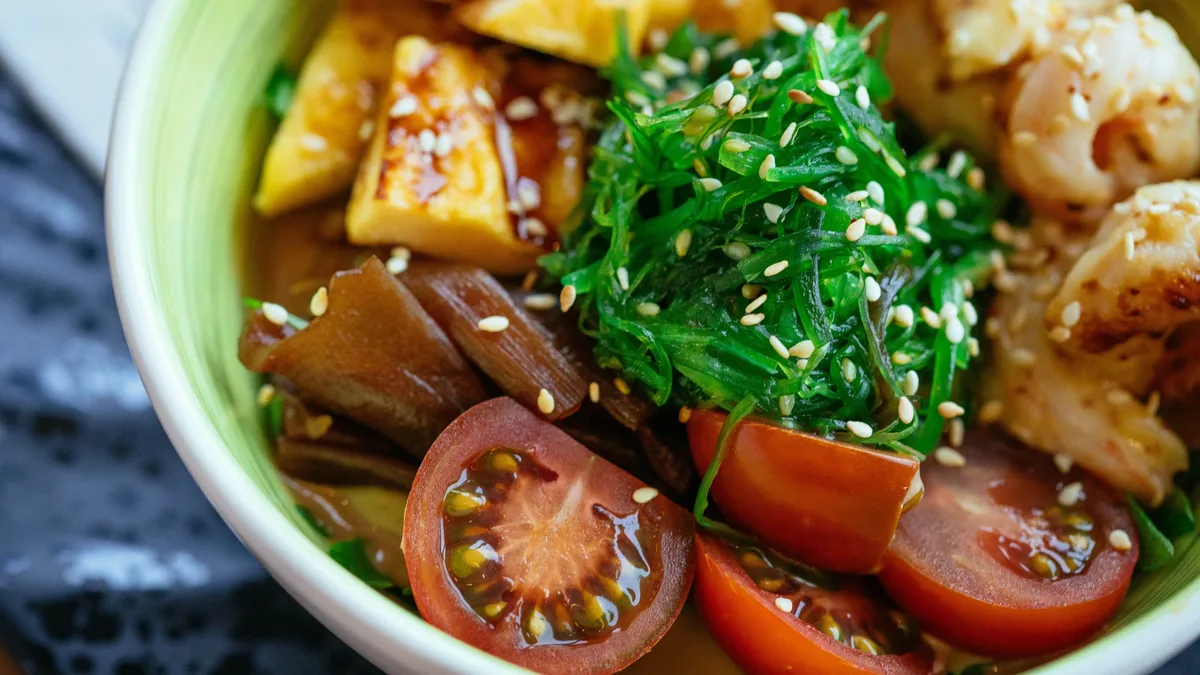
La Vie Launches Tofu Nuggets and Teriyaki Cubes in UK
French plant-based brand La Vie has launched two ready-to-cook tofu products in the UK, targeting flexitarians with 'tofu that thinks it's chicken' as
NYC Prisons Seek Blended Meat, Cultivated Pet Food Ships
New York City's Department of Correction has requested bids for blended meat products for 2027, while cultivated pet food brand Unruly ships its first
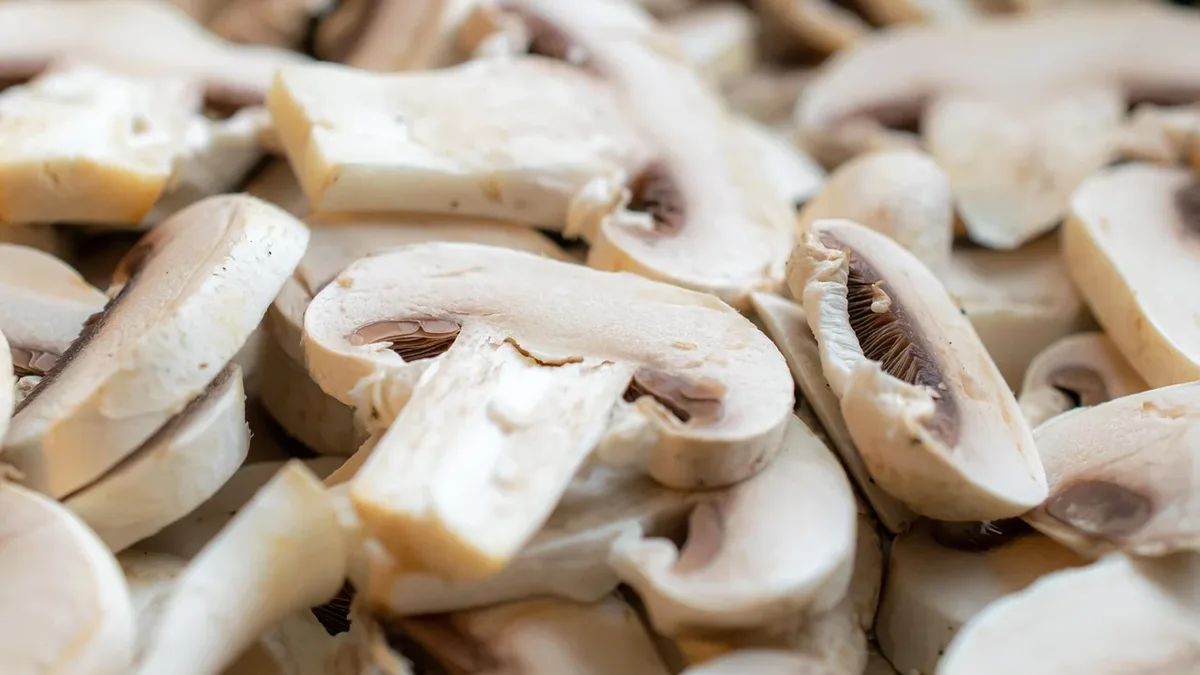
Mushroom Squared shifts from meat mimics to functional whole
Mushroom Squared is pivoting from plant-based meat to develop minimally processed, functional protein products centered on mushrooms, targeting...
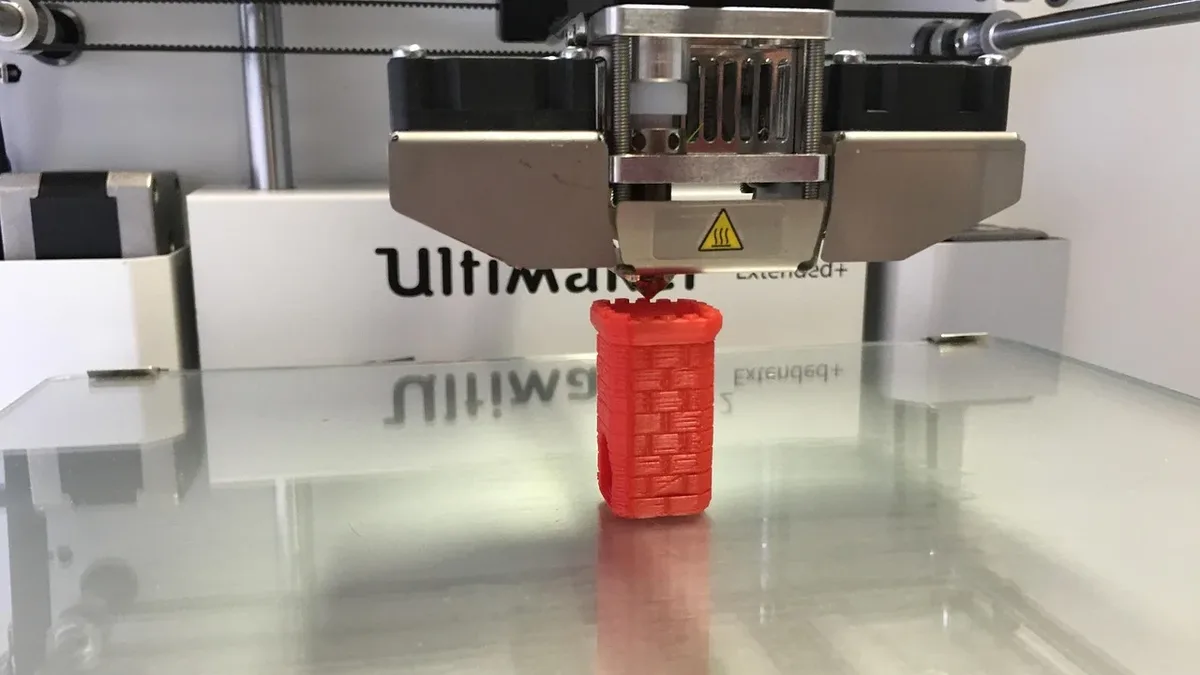
Steakholder Foods launches 3D-printed plant-based meat in US
Steakholder Foods has rolled out its Perfecta brand of 3D-printed whole-cut plant-based meat and seafood products in Northeastern US supermarkets...
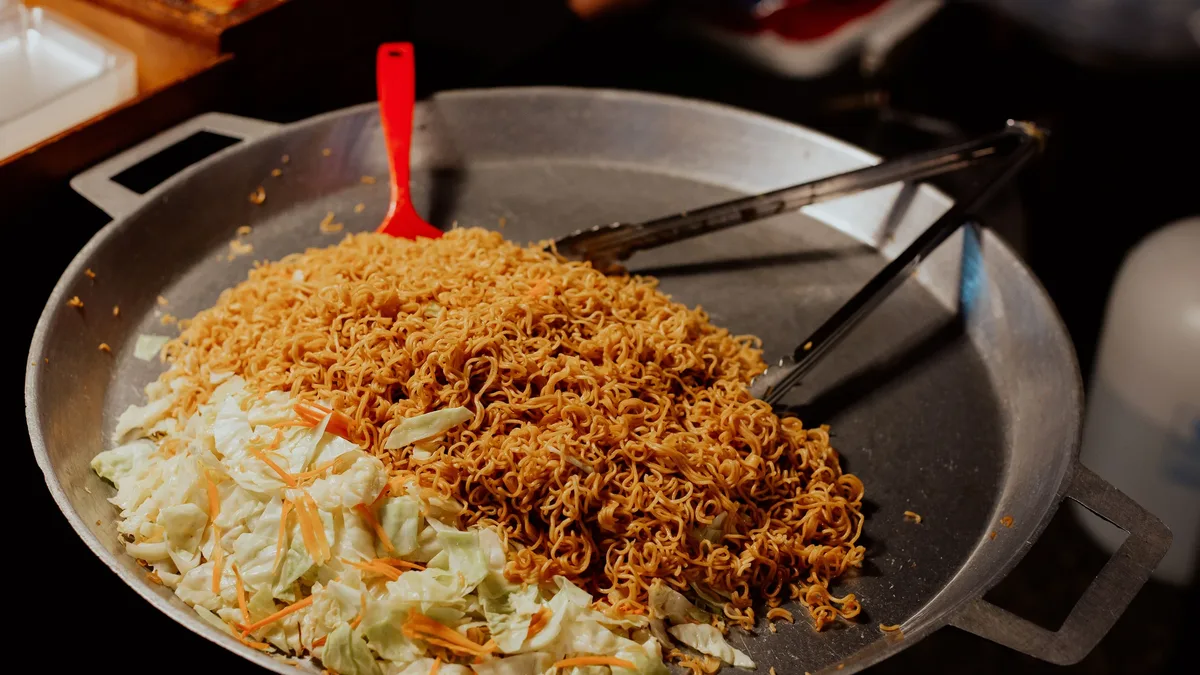
Wing Lok Noodle Factory Revives Shrimp Roe Noodle Craft
A 50-year-old Hong Kong noodle maker is reviving the traditional craft of shrimp roe noodles, an intangible cultural heritage item, by introducing...