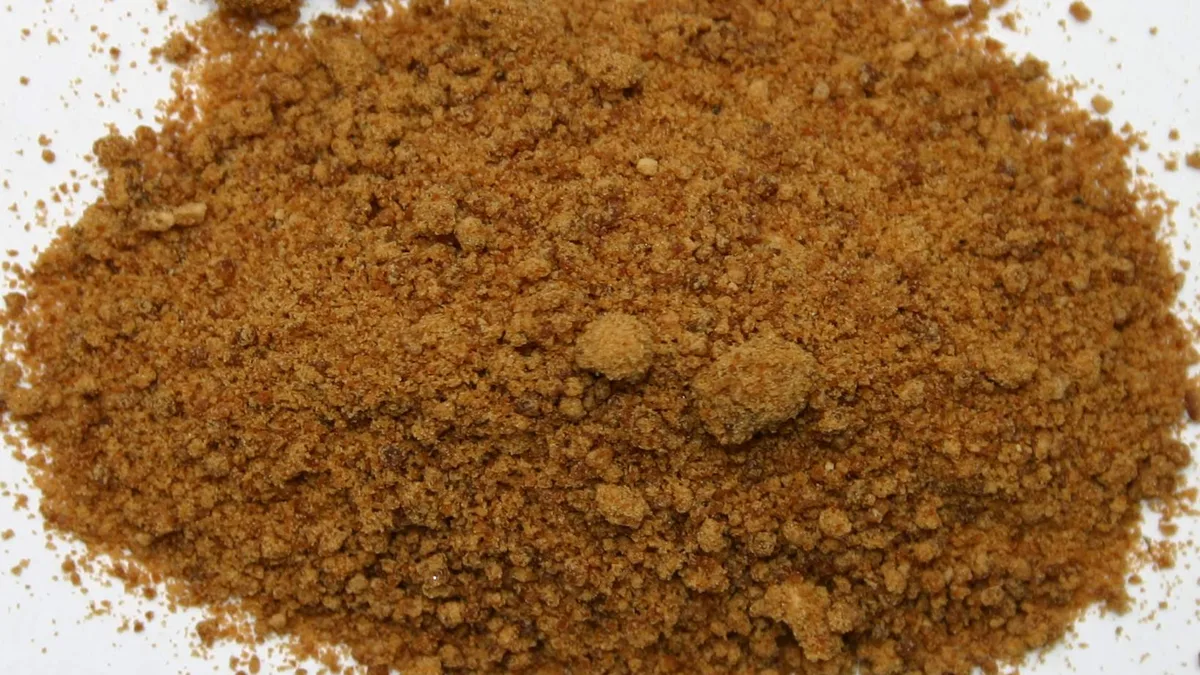
Palm Sugar And Alternative Sweeteners
| Alternative to | Refined white sugar |
|---|---|
| Original use | Traditional sweetener in Southeast Asian cuisine |
| Form | Granules, blocks, or paste |
| Flavor profile | Caramel-like, with notes of butterscotch |
| Glycemic index | Lower than refined white sugar |
| Composition | Primarily sucrose, with trace minerals |
| Common alternatives | Coconut sugar, date sugar, jaggery |
Origin and history
Palm sugar originates from the sap of various species of palm trees, primarily in Southeast Asia, with documented use dating back many centuries. The practice of tapping palms for their sweet sap and boiling it into sugar is a traditional technique across regions like Thailand, Indonesia, Malaysia, and the Philippines. The broader category of alternative sweeteners encompasses a wide range of substances developed over the last 150 years, beginning with the invention of saccharin in the late 19th century. Stevia, derived from the leaves of a South American plant, has been used for centuries by indigenous Guarani peoples but entered global markets in significant volume in the late 20th century. Monk fruit sweetener, from Southern China, has a history in Traditional Chinese Medicine but saw commercial extraction development in the late 20th century. The late 20th and early 21st centuries saw a massive expansion in alternative sweetener options, driven by consumer demand for low-calorie and low-glycemic products.
Ingredients
Palm sugar, in its traditional form, contains only the concentrated sap of palm trees, such as the Arenga pinnata (sugar palm) or the coconut palm. Commercial palm sugar may sometimes be blended with cane sugar. Alternative sweeteners comprise a vast array of distinct substances, each with unique source materials. Stevia sweeteners are derived from glycoside compounds extracted from the leaves of the *Stevia rebaudiana* plant. Monk fruit sweeteners come from mogrosides extracted from the *Siraitia grosvenorii* fruit. Erythritol and other sugar alcohols like xylitol are produced through the fermentation of sugars from various plant sources like corn or wheat. Allulose is a rare sugar found naturally in small quantities in foods like figs and raisins, produced commercially through enzymatic conversion of fructose. Synthetic sweeteners like aspartame, sucralose, and saccharin are manufactured through chemical processes from various precursor compounds.
How to make it
- For traditional palm sugar, a cut is made in the flower bud of a palm tree to collect the sap in containers. 2. The collected sap is filtered to remove impurities. 3. The sap is then transferred to a large, shallow pan and heated over a steady fire to evaporate the water content. 4. The liquid is stirred continuously to prevent burning until it thickens into a viscous syrup. 5. The syrup is poured into molds, such as coconut shells or cylindrical tubes, where it cools and solidifies into blocks or cakes. 6. The production of most modern alternative sweeteners involves industrial-scale extraction, fermentation, or chemical synthesis not replicable in a home kitchen.
Variations and serving
Palm sugar is commonly sold as solid cakes, discs, or granules, with a color ranging from golden brown to dark brown depending on the palm source and processing. It is a key ingredient in Southeast Asian cuisine, used to balance flavors in curries, sauces like *nam prik*, and desserts such as *kanom tom*. Alternative sweeteners are available in numerous formats including powders, liquids, tablets, and granules designed to measure cup-for-cup like sugar. Baking blends often combine several alternative sweeteners, like erythritol and monk fruit, to better mimic sugar's texture and browning properties. Liquid stevia drops are popular for sweetening beverages, yogurt, or oatmeal without adding bulk. Savory applications for alternative sweeteners are less common but include use in barbecue sauces or glazes where a sugar-like flavor is desired without carbohydrates.
Overview
Palm sugar and alternative sweeteners represent two distinct responses to the demand for sweetness beyond refined cane sugar. Palm sugar is a traditional, minimally processed whole food sweetener offering distinct flavor and trace minerals, though it is still a form of sugar. The category of alternative sweeteners is defined by providing intense sweetness with few or no calories and a minimal impact on blood glucose levels. These substances work by either being many times sweeter than sugar, so less is needed, or by being metabolized differently by the body. Their adoption has moved from niche dietary products for diabetics or weight-loss regimens to mainstream pantry staples. This shift is driven by growing health consciousness, the prevalence of low-carb and ketogenic diets, and widespread formulation in processed "sugar-free" foods and beverages.
What to know
Palm sugar has a lower glycemic index than refined white sugar, but it is not a low-calorie sweetener and consists primarily of sucrose. Many alternative sweeteners, particularly sugar alcohols like erythritol and xylitol, can cause digestive discomfort, including gas and bloating, when consumed in large quantities. The aftertaste of certain high-intensity sweeteners, such as stevia or some synthetic options, is often described as bitter, metallic, or licorice-like, which can be off-putting. "Natural" is a contested label in this category, as sweeteners like stevia and monk fruit are plant-derived but often highly refined, while others are synthetically produced. The long-term health effects of consuming some synthetic sweeteners remain a topic of ongoing scientific research and public debate. It is crucial to check product labels, as many commercial "palm sugar" products are blends with cane sugar, and many alternative sweetener powders contain bulking agents like maltodextrin.
Common questions
Is palm sugar healthier than regular white sugar? While it contains small amounts of minerals like potassium and iron and has a slightly lower glycemic index, it is still a caloric sweetener and should be consumed in moderation. Do alternative sweeteners cause cancer? Regulatory agencies like the FDA and EFSA have approved specific sweeteners for general use based on available evidence, though some studies on animals at extremely high doses have fueled controversy. Can I use alternative sweeteners for baking? Many are suitable, but results vary as they lack sugar's bulk, browning capability, and moisture-retaining properties, often requiring specific recipes. Why does a product with alternative sweeteners still list carbohydrates? This is often due to bulking agents like maltodextrin or dextrose, or because sugar alcohols are counted as carbohydrates on labels though they are not fully absorbed. Are sugar alcohols safe for pets? No, xylitol is highly toxic to dogs and can cause rapid insulin release leading to hypoglycemia and liver failure. Does palm sugar taste like coconut? Coconut palm sugar has a subtle caramel flavor, not a strong coconut taste, while sugar from other palms may have different flavor notes.
Pros and cons
A significant pro of many alternative sweeteners is their negligible impact on blood sugar, making them valuable for diabetics and low-carb dieters. The primary con for sugar alcohols is gastrointestinal distress, where individuals who consume sugar-free candies or baked goods in normal portions often experience bloating and diarrhea. A common mistake is assuming all alternative sweeteners behave identically in recipes, leading to baking failures when substituting a liquid stevia drop for granulated erythritol without adjusting other ingredients. Many people regret choosing certain sweeteners for beverages like coffee or tea due to the persistent aftertaste, finding that the chemical or bitter notes ruin the drink. For palm sugar, a pro is its complex flavor that enhances authentic cuisine, but a con is its variable quality and frequent adulteration with cheaper cane sugar, misleading consumers. A broad con of relying heavily on alternative sweeteners is that it can perpetuate a desire for intense sweetness without addressing underlying dietary habits.
Who it suits
Palm sugar suits cooks seeking authentic flavor in Southeast Asian dishes and those preferring a less refined, whole-food sweetener with a modest nutrient profile. Alternative sweeteners, particularly the high-intensity types like stevia and monk fruit, suit individuals strictly managing carbohydrate intake, such as those on ketogenic or very low-carb diets. They are also a functional tool for people with diabetes or prediabetes who need to control blood glucose spikes while enjoying sweet flavors. Sugar alcohols like erythritol can suit home bakers looking for a granulated, zero-calorie sugar substitute that performs reasonably well in recipes, provided digestive tolerance is confirmed. These products do not suit individuals with sensitive digestive systems prone to IBS symptoms or those who are highly averse to any potential aftertaste. They are also generally unsuitable for anyone seeking a whole-food ingredient, as most are highly processed industrial products.
Latest Palm Sugar And Alternative Sweeteners news
Latest reporting
Precision Fermentation Draws Investors as Alt-Proteins Lag
Alternative proteins have underperformed investor expectations due to taste, texture, and price barriers, but precision fermentation is attracting...
Brazil's Treasury Backs Alternative Protein Innovation
Brazil's National Treasury has included alternative proteins as a core sector in a major public funding auction, earmarking up to R$2.5 billion in

Baby food pouches often exceed breastmilk
University of Glasgow research finds 61% of baby food pouches contain more sugar than breastmilk and are often low in protein.
Allulose sweetener faces zero-sugar label
Food companies using the sweetener allulose face class action lawsuits over zero-sugar labels. The FDA stated allulose falls under the legal...
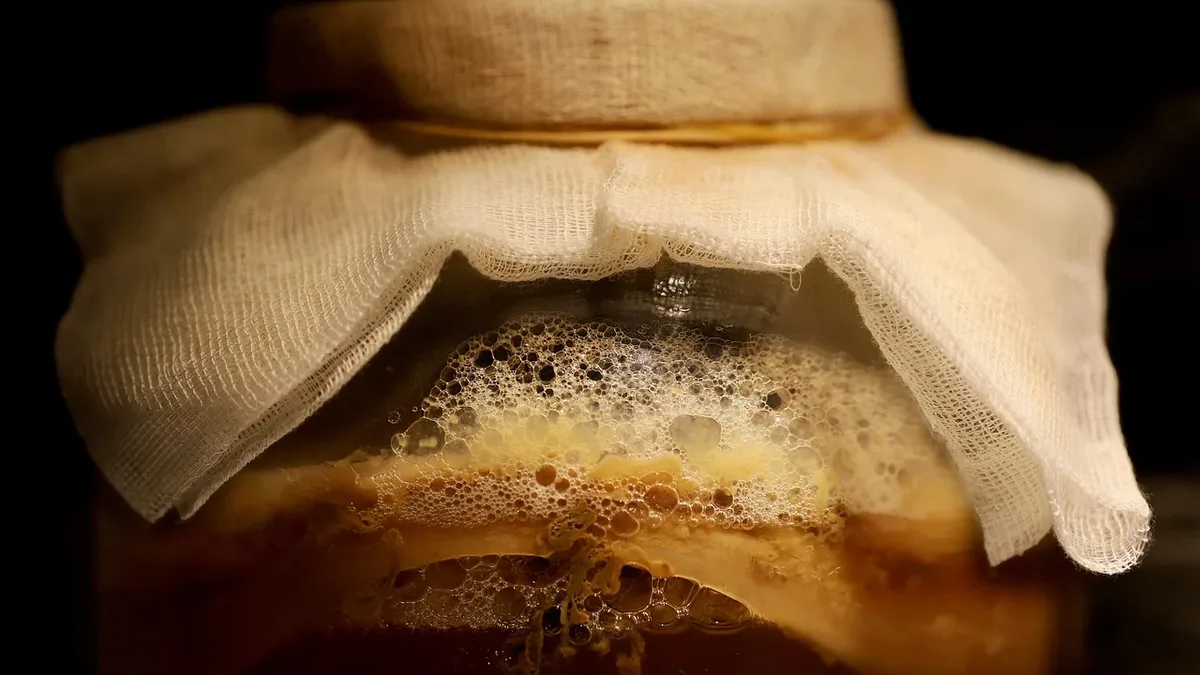
Europe's Alternative Protein Funding Up 56%
European alternative protein startups raised €236M in H1 2026, a 56% increase year-on-year, led by fermentation firms.
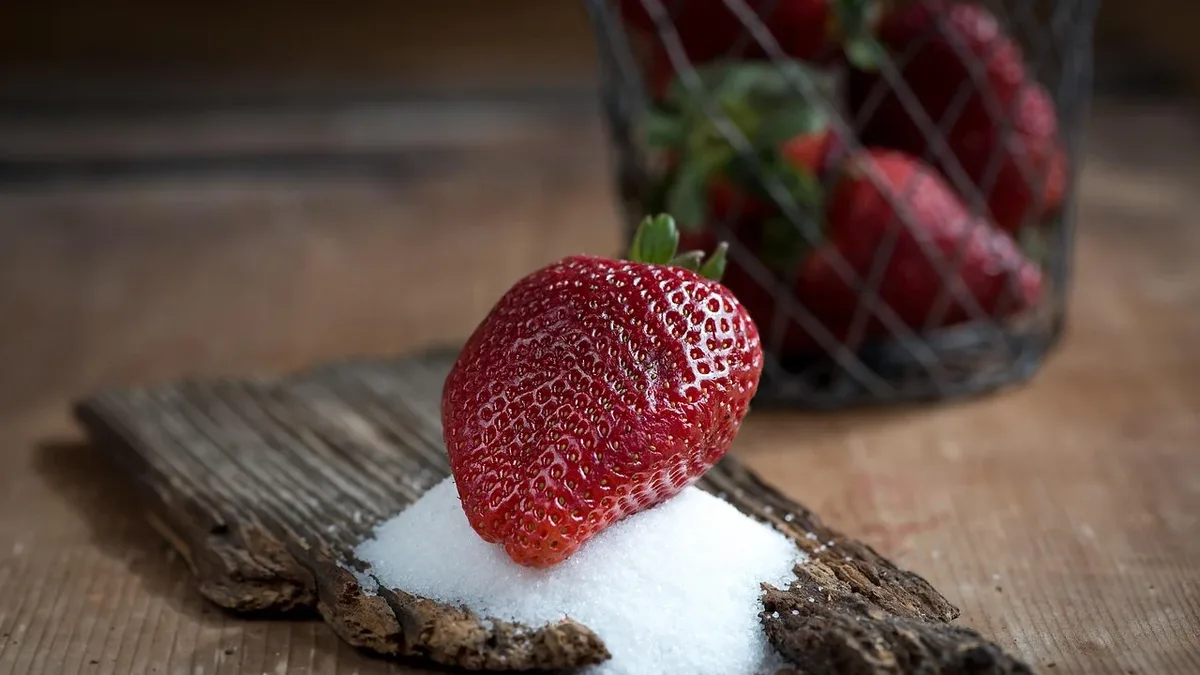
Allulose: The Rare Sugar Gaining Attention for Sugar-Reduction Applications
Allulose, a rare sugar, is gaining attention for its potential in sugar-reduction applications. It provides sweetness and functionality without...