Plant Forward
| Core concept | A dietary pattern emphasizing plant-based foods, with animal products reduced or used as accents |
|---|---|
| First documented | Late 20th century |
| Key principle | Plants as the center of the plate |
| Typical components | Vegetables, fruits, whole grains, legumes, nuts, seeds |
| Animal product role | Optional, used in smaller portions for flavor or protein |
| Distinction from veganism | Inclusive, not strictly eliminative |
| Primary motivation | Often health, sustainability, and culinary variety |
Origin and history
Plant Forward is a culinary and dietary approach that prioritizes plant-based foods while not strictly excluding animal products. Its philosophical roots are deeply embedded in traditional eating patterns from numerous regions worldwide, including the Mediterranean, East Asia, and South Asia, where meals have historically been centered on grains, legumes, and vegetables. The modern conceptual framework, however, was formally articulated and gained recognition in the early 21st century within nutritional science and culinary professional circles. It emerged as a distinct term from the broader "plant-based" movement, specifically to create a more flexible and inclusive category that could appeal to a wider audience. This development was a direct response to observed consumer resistance to rigid labels like "vegetarian" or "vegan," seeking a middle ground that encouraged increased plant consumption without demanding absolute abstinence. The term gained significant institutional traction in the 2010s as major culinary institutions and public health bodies began to promote it as a sustainable and health-forward dietary pattern.
Ingredients
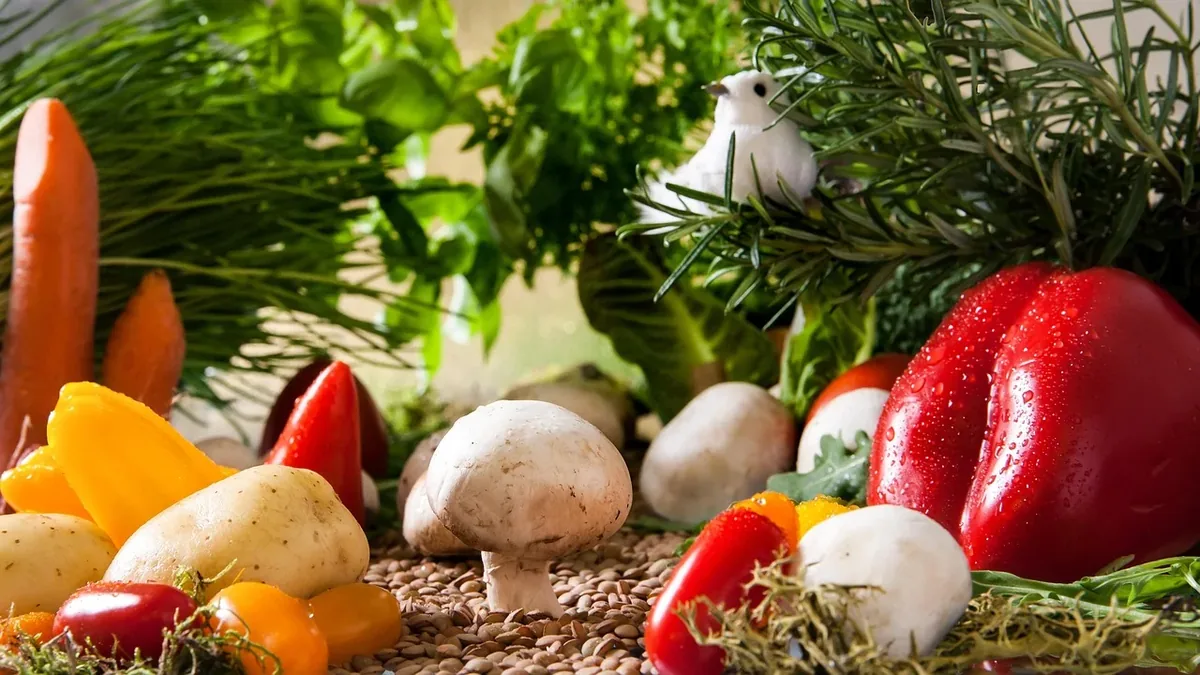
A Plant Forward meal is built upon a foundation of whole, minimally processed plant foods. Whole grains such as brown rice, quinoa, barley, and farro. Legumes including lentils, chickpeas, black beans, and various types of peas. A diverse array of vegetables, both starchy and non-starchy, like sweet potatoes, broccoli, kale, and peppers. Fresh or frozen fruits, used in both sweet and savory applications. Nuts and seeds for healthy fats, texture, and protein, such as almonds, walnuts, flaxseeds, and chia seeds. Herbs and spices for flavor depth without relying on excessive salt or fat. Plant-derived oils, primarily olive, avocado, or other unsaturated fats. Occasional inclusions of animal-derived products like eggs, dairy, fish, or meat, used in smaller quantities as a complement or condiment rather than the centerpiece.
How to make it
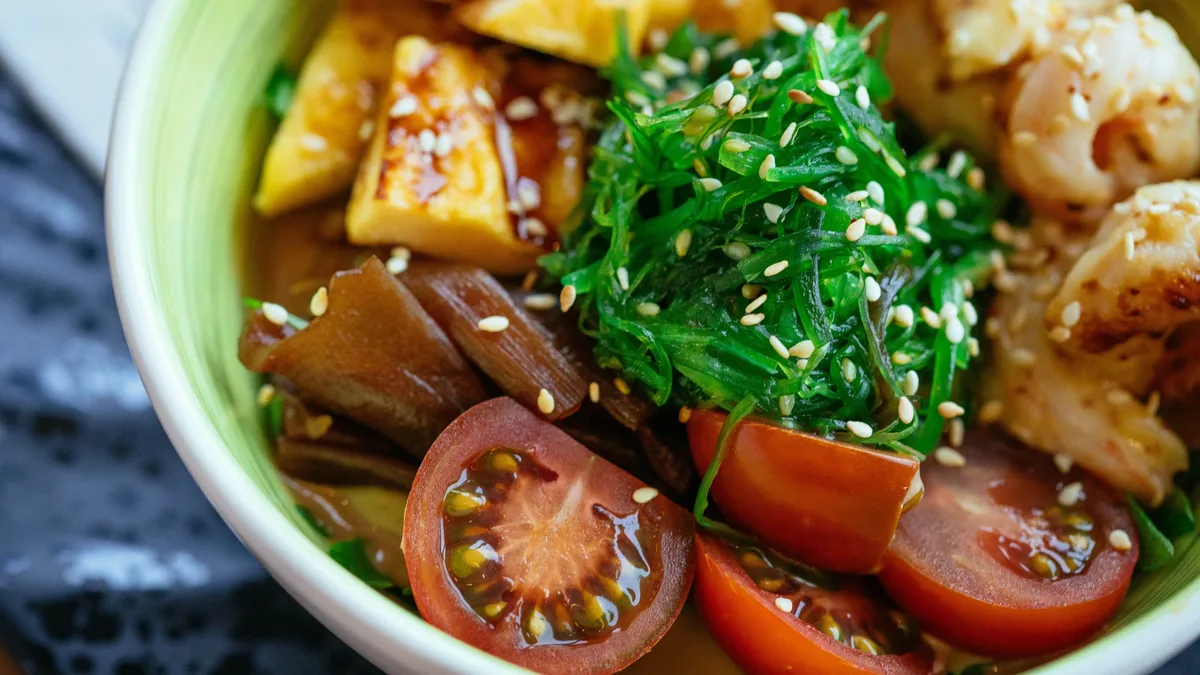
- Begin by selecting a plant-based protein source as the core component, such as a cup of cooked lentils or a block of firm tofu. 2. Choose a whole grain or starchy vegetable to serve as the base, for example, one cup of cooked quinoa or roasted cubed sweet potatoes. 3. Prepare at least two different types of non-starchy vegetables, aiming for a variety of colors, either by steaming, sautéing, or roasting them. 4. Create a flavorful sauce or dressing using ingredients like tahini, lemon juice, herbs, spices, and plant-based oils to unify the dish. 5. If including animal products, add them last and in a modest portion, such as a sprinkling of grated cheese, a soft-boiled egg, or a few ounces of flaked cooked fish. 6. Combine all components on a plate or in a bowl, ensuring plants constitute the visual and volumetric majority of the meal.
Variations and serving
Plant Forward eating manifests in numerous global cuisines, from a hearty Indian dal served with brown rice and cauliflower to a Mediterranean bowl with hummus, olives, and grilled vegetables. Breakfast variations might include oatmeal topped with nuts and berries or a savory tofu scramble with spinach and whole-grain toast. Lunch and dinner plates often follow the "plate method," visually dividing the dish into halves and quarters, with half the plate filled with vegetables, one quarter with plant protein, and one quarter with whole grains. Serving styles range from blended approaches like pasta with a lentil-based Bolognese sauce to deconstructed bowls where each component is kept separate. The approach also extends to baking, where ingredients like applesauce, flax eggs, or black beans can replace or reduce the need for animal products in recipes. Restaurants and food services often implement Plant Forward principles by offering "default veg" options or featuring vegetable-centric dishes as the main specials.
Overview
Plant Forward represents a significant shift in dietary guidance from a focus on what to remove to an emphasis on what to actively include. It is a flexible framework rather than a rigid diet, defined by proportion and intention rather than by strict exclusion lists. The primary goal is to make plants the star of the plate, which naturally crowds out larger portions of animal proteins and highly processed foods. This approach is endorsed by many public health organizations as a pattern associated with lower risks of chronic diseases and a lower environmental footprint compared to standard Western diets. It accommodates a wide spectrum of personal preferences, cultural traditions, and nutritional needs, making it a practical strategy for institutional feeding and family cooking alike. Ultimately, it is a culinary movement that encourages creativity and exploration of the vast diversity of the plant kingdom.
What to know
Adopting a Plant Forward approach requires a shift in meal planning and grocery shopping habits, focusing first on produce, grains, and legumes. Adequate protein intake is readily achievable through conscious combination of plant sources, such as beans with rice, but attention should be paid to including a variety of these sources throughout the day. Nutrient considerations include ensuring reliable sources of Vitamin B12, which is not naturally present in plants, and may require fortified foods or supplementation depending on the level of animal product inclusion. Iron from plant sources is abundant but is best absorbed when consumed with a source of vitamin C, such as citrus juice or bell peppers. The approach is not inherently low-calorie, as foods like nuts, seeds, avocados, and oils are energy-dense and portion awareness is still relevant. Successful long-term adherence often hinges on developing a repertoire of flavorful cooking techniques for vegetables and legumes to ensure meals remain satisfying and enjoyable.
Common questions
Is Plant Forward the same as vegetarian or vegan? No, it is distinct; while vegetarian and vegan diets are defined by exclusion, Plant Forward is defined by proactive inclusion of plants and allows for occasional animal products. Do I have to give up meat entirely? No, the philosophy specifically does not require eliminating meat but rather reducing its portion size and frequency while increasing plant quantities. Is it more expensive to eat this way? While some specialty plant-based products can be costly, a diet centered on bulk whole grains, legumes, and in-season vegetables is often less expensive than one centered on meat. Where do I get protein? Protein is found in legumes, lentils, tofu, tempeh, seitan, nuts, seeds, and whole grains, and consuming a variety of these ensures adequate protein intake. Can children follow a Plant Forward diet? Yes, with careful planning to ensure they receive sufficient energy and nutrients for growth, focusing on calorie-dense plant foods and appropriate supplementation if animal products are very limited. How does this benefit the environment? It generally has a lower environmental impact due to reduced reliance on resource-intensive animal agriculture, leading to lower greenhouse gas emissions, water use, and land use.
Pros and cons
The primary advantage of a Plant Forward diet is its association with improved markers of cardiovascular health, lower inflammation, and better weight management for many individuals. It also offers significant flexibility, reducing the social and practical friction often experienced with stricter dietary regimes, making it easier to maintain in the long term. From a culinary perspective, it encourages exploration of a wider variety of ingredients and global cuisines, expanding one's cooking skills and palate. A significant con is the initial learning curve and time investment required for meal planning and preparation, as cooking from whole plant ingredients can be more time-consuming than relying on processed foods or simple meat-centric meals. Some individuals may experience digestive discomfort, such as increased bloating or gas, when rapidly increasing their intake of fiber-rich legumes and cruciferous vegetables, a common mistake being to change intake levels too quickly. Others may regret the approach if they misinterpret it as simply removing meat without adding substantial, satisfying plant-based replacements, leading to feelings of hunger and deprivation.
Who it suits
This approach is particularly well-suited for individuals seeking to improve their dietary patterns for health reasons but who are unwilling or unable to adopt a fully vegetarian or vegan lifestyle. It suits home cooks and culinary professionals who enjoy experimenting with new ingredients and building meals creatively around seasonal produce. People with environmental or ethical concerns about industrial animal agriculture, but who may have cultural, family, or personal ties to occasional animal product consumption, also find it a compatible framework. It is increasingly adopted by institutions like schools, hospitals, and corporate cafeterias as a sustainable and inclusive way to improve collective dietary health. It may be less suitable for individuals with specific medical conditions requiring highly restrictive or specialized diets without professional guidance, or for those with limited access to a variety of fresh or affordable plant-based foods. Ultimately, it serves as a practical and evidence-based middle path for a broad population looking to shift their eating habits in a more sustainable and health-promoting direction.
Latest Plant Forward news
Latest reporting
Vegan Society of Ireland urges plant-based fund in Budget
The Vegan Society of Ireland is calling for a state-backed Plant-Based Food Fund and national strategy in Budget 2027 to reverse the collapse of...
Gosh Expands Super Plants Range with Fibre-Rich Burgers
Gosh launches two high-fibre, whole-food veggie burgers into Tesco, responding to UK demand for protein, plant diversity, and minimally processed...

Plant-Based Milks, Vegan Snacks Expand in Retail
École Ducasse launches plant-forward courses for 2027, while Ripple Foods and Glebe Farm introduce new dairy-free milks.
La Vie Launches Tofu Range at Tesco and Ocado
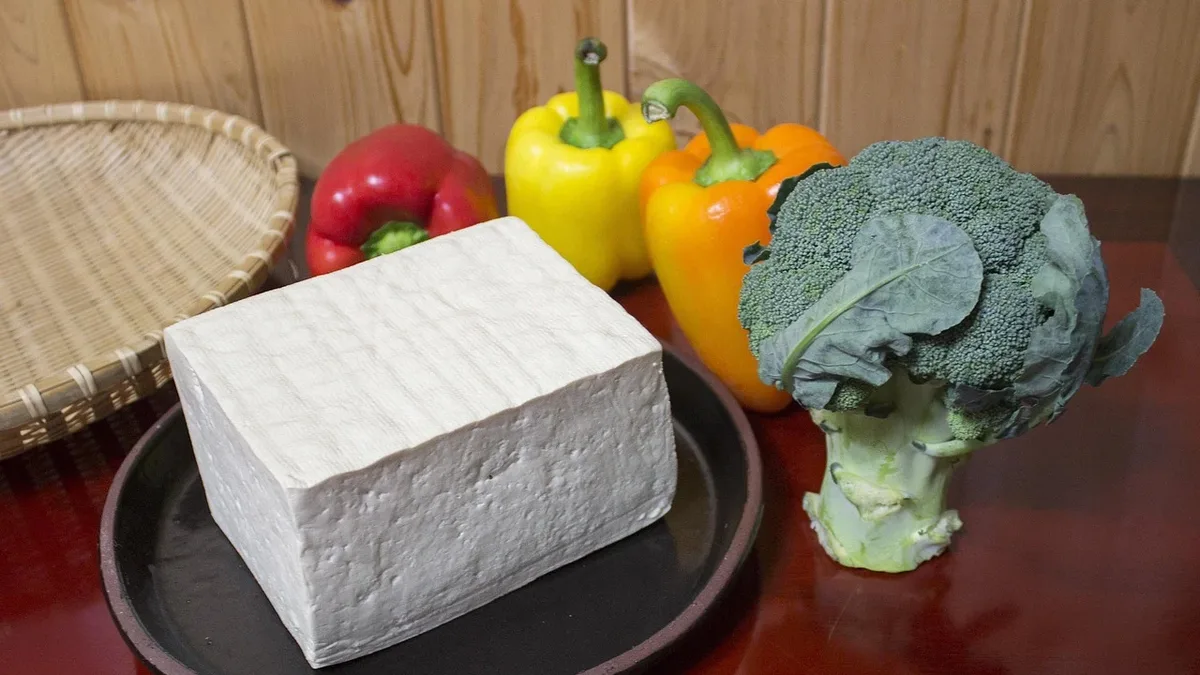
Plant-based brand La Vie has launched its first tofu products in the UK. The Tofu Pan Fry Teriyaki and Tofu Nuggets are now available at Tesco and...
La Vie Launches Tofu Nuggets and Teriyaki Cubes in UK
French plant-based brand La Vie has launched two ready-to-cook tofu products in the UK, targeting flexitarians with 'tofu that thinks it's chicken' as

Spain's Elian secures $46M for EU plant
Spanish agrifood firm Elian has received a €40 million investment from the state-owned fund Cofides to expand its Barcelona plant-based protein...