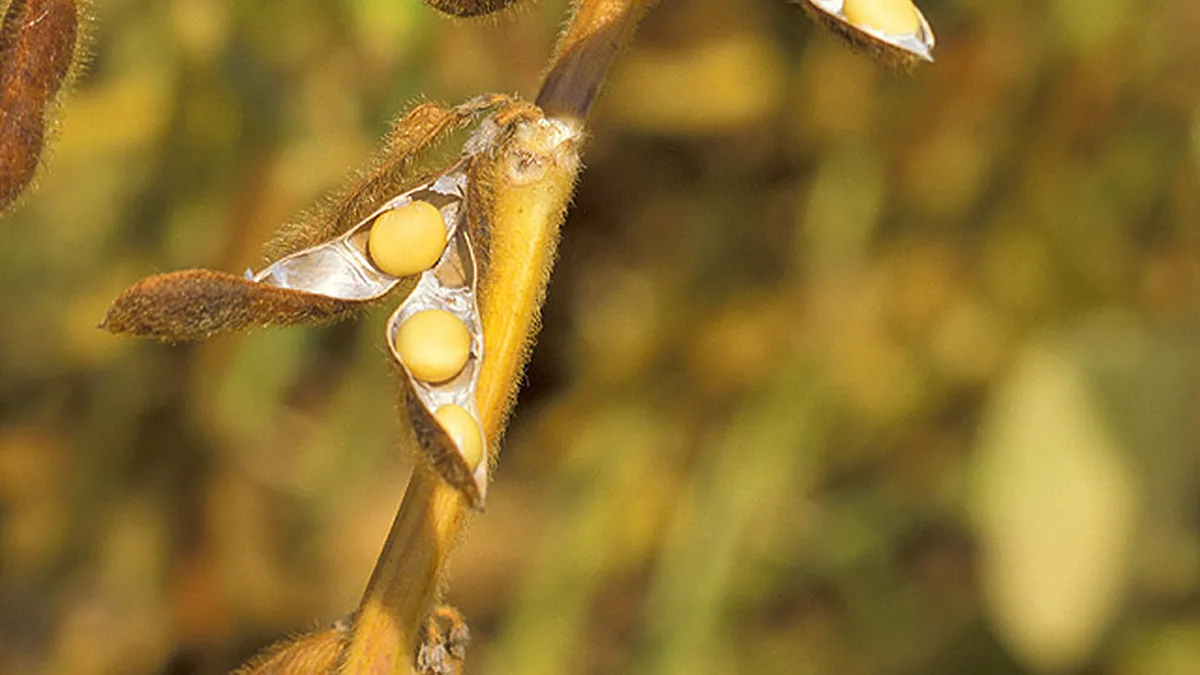
Soy
| Common name | Soybean |
|---|---|
| Botanical name | Glycine max |
| Family | Fabaceae |
| First domesticated | Circa 7000 BCE |
| Region of origin | Eastern Asia |
| Original use | Food crop |
| Form consumed | Whole bean, processed products (e.g., tofu, milk, flour) |
| Key nutrients | Protein, dietary fiber, isoflavones |
Origin and history
Soy, or soya, refers to the bean of the plant *Glycine max*, which originated in East Asia. Its domestication is traced to China, where it was first cultivated as a food crop over 3,000 years ago, during the Zhou dynasty. Initially, soybeans were likely used in a fermented form, as the raw bean contains anti-nutritional factors and is difficult to digest. The bean spread throughout East Asia, becoming a cornerstone of cuisines in Japan, Korea, and Southeast Asia over subsequent centuries. It was introduced to Europe in the 18th century and to North America in the 19th century, where it was initially grown primarily for animal feed and industrial oil. The shift to mainstream human consumption in Western diets is a 20th-century phenomenon, driven by the development of processing techniques and its promotion as a protein source.
Ingredients
Dried soybeans Water A coagulant (such as nigari, gypsum, or a food-grade acid) Optional flavoring agents (e.g., salt, soy sauce, kombu)
How to make it
The fundamental process for making a basic soy product like tofu illustrates the core transformation of the bean. 1. Clean and soak dried soybeans in water for 8 to 12 hours until fully hydrated. 2. Drain the beans and blend them with fresh water to create a raw soy milk slurry. 3. Cook the slurry thoroughly to deactivate enzymes and improve flavor, then strain it through a cloth to separate the soy milk from the insoluble pulp (okara). 4. Allow the soy milk to cool slightly before adding a liquid coagulant, stirring gently to distribute it evenly. 5. Let the mixture sit undisturbed until curds fully form and separate from the yellowish whey. 6. Ladle the curds into a mold lined with cloth, press them under weight to achieve the desired firmness, then submerge the finished block in cold water to set.
Variations and serving
Soy manifests in a vast spectrum of formats beyond the whole bean, each with distinct textures and culinary roles. Fermented products include soy sauce, miso paste, tempeh (a whole-bean cake), and natto, known for its sticky texture and strong flavor. Non-fermented staples are tofu (available in silken, soft, firm, and extra-firm textures), soy milk, edamame (immature green soybeans), and soy flour. Textured vegetable protein (TVP) and soy protein isolates are modern, highly processed derivatives used as meat analogues. In cooking, tofu absorbs flavors from marinades and broths, tempeh holds up well to grilling and crumbling, and miso serves as a foundational soup base and seasoning. Soy milk is consumed as a beverage, in cereals, and as a base for dairy-free yogurts, while edamame is commonly served steamed and salted as an appetizer.
Overview
Soy is a complete plant protein, containing all nine essential amino acids required by the human body. It is also a significant source of dietary fiber, isoflavones (a type of phytoestrogen), B vitamins, and minerals like iron and calcium, especially when fortified. The bean's composition of approximately 40% protein and 20% oil has driven its dual use for both food and industrial purposes. Its nutritional profile and functional properties, such as emulsification and protein binding, have made it a ubiquitous ingredient in both traditional and processed foods. The global shift of soy from a traditional Asian staple and an industrial commodity to a mainstream Western dietary element is linked to health trends, vegetarianism, and food technology. Its cultivation is now dominant in the Americas, primarily for oil and animal feed, creating a complex global agricultural system.
What to know
Raw, mature soybeans contain trypsin inhibitors and lectins, which can interfere with digestion and nutrient absorption, necessitating thorough cooking. Soy is one of the eight major food allergens identified by regulatory bodies in many countries, requiring clear labeling on packaged foods. The environmental impact of large-scale soy cultivation, particularly for livestock feed, is associated with deforestation, habitat loss, and monoculture farming practices in producer regions. Genetic modification is prevalent in commodity soy crops, with a significant percentage of global production being herbicide-tolerant, a point of consumer debate. The phytoestrogens in soy have been extensively studied for their potential effects on hormone-related conditions, with current scientific consensus indicating they are safe for most populations. When selecting soy products, less processed forms like edamame, tofu, and tempeh generally retain more of the bean's inherent nutrients and fiber compared to highly refined isolates.
Common questions
Is soy safe for individuals with thyroid conditions? For those with normal thyroid function and adequate iodine intake, moderate soy consumption is not a concern, but those with hypothyroidism are often advised to time their medication intake apart from soy meals. Does soy cause breast cancer or increase cancer risk? Major health organizations state that moderate consumption of soy foods is safe for breast cancer survivors and may even be protective, based on population studies. What is the difference between soy protein isolate and whole soy? Isolate is a highly processed powder containing almost pure protein, stripped of most fiber, fats, and other compounds found in the whole bean or minimally processed products. Can men consume soy products safely? Research does not support the myth that soy phytoestrogens feminize men or lower testosterone; moderate consumption has no documented adverse effects on male hormones. Why is most soy genetically modified? The predominant GM trait confers tolerance to glyphosate herbicide, allowing for simplified weed control in large-scale commercial farming. How does soy milk compare to dairy milk nutritionally? Fortified soy milk is the closest plant-based alternative in protein content and is often fortified with calcium and vitamins, but its natural nutrient profile differs.
Pros and cons
A primary pro is its status as a versatile, complete plant protein, making it a crucial food for vegetarian and vegan diets. It is also a source of beneficial compounds like isoflavones, which are linked to improved heart health and reduced menopausal symptoms in some studies. The bean's functional versatility allows it to be transformed into staples ranging from basic tofu to complex fermented condiments. A significant con is its high allergenic potential, causing severe reactions in a subset of the population and requiring vigilant label reading. Another drawback is the prevalence of heavily processed soy ingredients in packaged foods, which can be high in sodium, additives, and lack the nutritional benefits of whole-bean forms. A common mistake is assuming all soy products are nutritionally equivalent, leading consumers to over-rely on isolated soy proteins in shakes and bars while missing the fiber and micronutrients of whole-food forms.
Who it suits
Soy suits individuals following plant-based or vegetarian diets who require reliable, complete protein sources to meet nutritional needs. It is appropriate for those with lactose intolerance or dairy allergies seeking a protein-fortified milk alternative, provided they are not allergic to soy itself. Consumers interested in incorporating traditional, fermented foods for potential gut health benefits may find tempeh, miso, and natto suitable. It is a practical ingredient for people seeking economical, shelf-stable protein sources like dried beans, tofu, or tempeh. Soy does not suit individuals with a diagnosed soy allergy or those with specific thyroid conditions who have been advised by their healthcare provider to monitor intake carefully. It may also not align with the preferences of people seeking to avoid genetically modified organisms or highly processed food additives, unless they specifically seek out organic or non-GMO whole soy products.