Spice And Heat
Origin and history
The concept of "Spice And Heat" as a distinct culinary category originates from the global integration of capsaicin-based chili peppers, which are native to the Americas. Their use for both flavor and pungency dates back millennia among indigenous cultures in regions like modern-day Mexico and Bolivia. The worldwide spread of chili peppers began in the 16th century following the Columbian Exchange, where they were introduced to Europe, Africa, and Asia. In these new regions, particularly across South Asia, Southeast Asia, and parts of Africa, chili peppers were rapidly adopted and hybridized, becoming central to local cuisines. The modern framing of "Spice And Heat" as a unified sensory experience gained significant traction in Western culinary discourse during the late 20th century. This period saw increased immigration and travel, which popularized dishes explicitly celebrated for their fiery character, moving the appreciation of culinary heat from niche ethnic restaurants to mainstream dining.
Ingredients
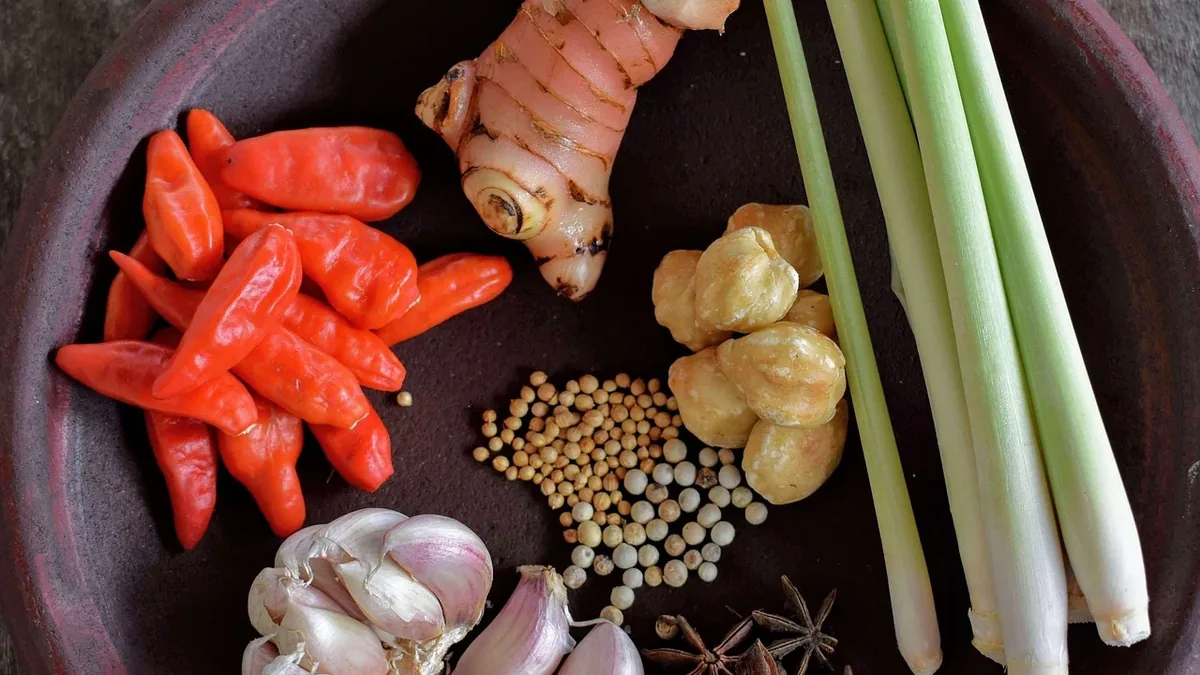
The core ingredient providing heat is the capsaicinoid compound found in chili peppers, ranging from mild varieties like poblano to extremely hot cultivars like the Carolina Reaper. Dried forms of these peppers, such as chipotle (smoked jalapeño) or arbol chiles, are fundamental for creating depth. Complementary spices that build flavor alongside heat include cumin, coriander, and turmeric, which form a base in many global cuisines. Aromatic foundations like garlic, ginger, and onions are almost universally used to balance pungency with savory notes. Acidic components such as lime juice, vinegar, or tamarind are critical for cutting through the richness and intensifying the overall flavor profile. Fats and oils, like sesame oil, ghee, or coconut milk, are essential for carrying both the spice compounds and the fat-soluble flavors evenly throughout a dish.
How to make it
- Select your primary heat source, such as fresh chili peppers, dried chilies, or a prepared chili paste like gochujang or harissa, considering the desired heat level. 2. Prepare your aromatic base by finely chopping or grating ingredients like onions, garlic, and ginger. 3. Toast whole dried spices, such as cumin seeds or coriander seeds, in a dry pan over medium heat until fragrant, then grind them into a powder. 4. Heat a cooking oil in a pan and sauté the aromatic base until softened and translucent, being careful not to burn the garlic. 5. Incorporate your ground toasted spices and any powdered chili into the oil and aromatics, frying briefly to bloom their flavors. 6. Add your main heat ingredient, whether chopped fresh chilies, rehydrated dried chili paste, or prepared sauce, and cook for several minutes to integrate. 7. Introduce the remaining liquid and solid components of your dish, such as tomatoes, broth, or coconut milk, and simmer to allow flavors to meld. 8. Finish the dish with a balancing acidic element, like a squeeze of lime juice or a dash of vinegar, and adjust seasoning with salt.
Variations and serving
Regional variations are vast, with Korean cuisine utilizing gochugaru (chili flakes) and gochujang (fermented paste) for a deep, savory heat in dishes like kimchi and tteokbokki. In Thailand, fresh bird's eye chilies are pounded into pastes for curries and salads, creating a bright, sharp heat complemented by herbs like lemongrass. Mexican salsas range from the fresh, raw heat of salsa cruda with serrano peppers to the complex, smoky depth of a mole made with multiple dried chilies. Indian cuisine layers heat through techniques like tadka, where whole dried chilies are tempered in hot oil to infuse a dish, often using a blend of chili powder and other spices. In the Southern United States, cayenne pepper and hot sauces are integral to Cajun and Creole cooking, providing a persistent warmth in gumbos and stews. Serving methods are equally diverse, from using hot sauces as a condiment at the table to incorporating heat directly during cooking, with cooling accompaniments like raita, sour cream, or avocado often provided to balance the experience.
Overview
Spice And Heat refers to the deliberate culinary use of ingredients, primarily from the Capsicum genus, to deliver a pungent, burning sensation known as piquancy, alongside a complex layer of complementary flavors. It is a sensory category distinct from mere seasoning, as it actively engages the body's pain receptors (TRPV1) to produce the sensation of heat. This category has evolved from a functional use in food preservation and traditional medicine in its origins to a sought-after gastronomic experience in contemporary global cuisine. The pursuit of heat is often measured informally by scales like the Scoville Heat Unit scale, though culinary application prioritizes flavor integration over pure intensity. Its mainstream acceptance is evident in the widespread availability of international hot sauces, shelf-stable products featuring extreme peppers, and cooking challenges centered on capsaicin tolerance. The shift from margin to mainstream reflects a broader cultural embrace of adventurous eating and a deeper understanding of flavor balance beyond mere shock value.
What to know
Capsaicin, the active compound, is an irritant to mammals and binds to receptors in the mouth and skin, but it is not a "taste" in the technical sense like sweet or salty. The heat sensation is temporary and does not cause physical tissue damage in culinary quantities, though it can cause significant discomfort. Drinking water is largely ineffective at mitigating the burn because capsaicin is hydrophobic; dairy products containing casein, like milk or yogurt, are far more effective at dissolving and washing away the capsaicin oils. Building tolerance to capsaicin is possible through gradual, repeated exposure, which can desensitize the TRPV1 receptors over time. When handling extremely hot peppers, particularly when cutting or deseeding, it is crucial to wear gloves and avoid touching the eyes or other sensitive areas, as the oils can transfer. Understanding the different heat profiles of peppers is key; for example, habaneros offer a fruity, floral heat with a quick onset, while ghost peppers deliver a sharper, more intense burn with a delayed but prolonged effect.
Common questions
What is the difference between "spicy" and "hot" in culinary terms? "Spicy" can be a broader term referring to dishes well-seasoned with a variety of spices, while "hot" specifically denotes the pungent, burning sensation from capsaicin. Why do some people enjoy eating painfully hot food? The enjoyment is linked to a phenomenon called "benign masochism," where the brain recognizes the heat as a threat but processes the subsequent endorphin and dopamine release as pleasurable once the initial shock passes. Are there any health benefits to consuming capsaicin? Studies suggest capsaicin may have metabolism-boosting properties, act as an anti-inflammatory, and serve as a natural analgesic, though these effects are dose-dependent and not a substitute for medical treatment. What is "pepper spray" and how is it related to culinary heat? Pepper spray uses a highly concentrated form of capsaicinoids, specifically oleoresin capsicum, as an inflammatory agent, which is chemically identical to the compounds in peppers but at a vastly higher and dangerous concentration. How should I cool my mouth down if a dish is too hot? Consume dairy products like milk, yogurt, or a spoonful of sour cream, as the casein protein binds with capsaicin and washes it away; starchy foods like bread or rice can also help by absorbing some of the oils.
Pros and cons
A significant pro is the creation of a complex, multi-layered flavor experience where heat can enhance other taste elements like sweetness, saltiness, and umami, rather than overwhelming them. The endorphin rush associated with consuming capsaicin can produce a genuine sense of exhilaration and well-being for enthusiasts. From a practical standpoint, spices with heat have historically acted as natural preservatives and antimicrobials in food, and they can make simple, inexpensive ingredients more palatable and exciting. A major con is the potential for gastrointestinal distress, including heartburn, acid reflux, and digestive discomfort, particularly for individuals with sensitive stomachs or conditions like IBS. Novices often make the mistake of equating higher Scoville ratings with better flavor, leading to dishes that are painfully intense but one-dimensional and lacking in balance. Many who pursue extreme heat for novelty or social media content later regret it, experiencing prolonged physical discomfort, "ghost pepper stomach," and an inability to taste subtler flavors for hours or even days afterward.
Who it suits
This culinary approach suits adventurous eaters and flavor explorers who are interested in the physiological and cultural aspects of food beyond mere sustenance. It appeals to home cooks seeking to expand their technical skills in flavor balancing, as mastering heat requires careful consideration of ingredient ratios and cooking techniques. Individuals with a generally high tolerance for sensory stimulation and those who enjoy the challenge of pushing their own boundaries often gravitate towards spicy cuisine. It is less suitable for individuals with certain medical conditions, such as gastroesophageal reflux disease (GERD), irritable bowel syndrome (IBS), or ulcers, where capsaicin can exacerbate symptoms. Young children, whose taste buds and digestive systems are still developing, typically have a very low tolerance and should be introduced to mild heat gradually, if at all. It also may not suit people who have a specific genetic sensitivity to capsaicin, as some populations possess a higher density of TRPV1 receptors, making the burning sensation acutely painful and unpleasant.