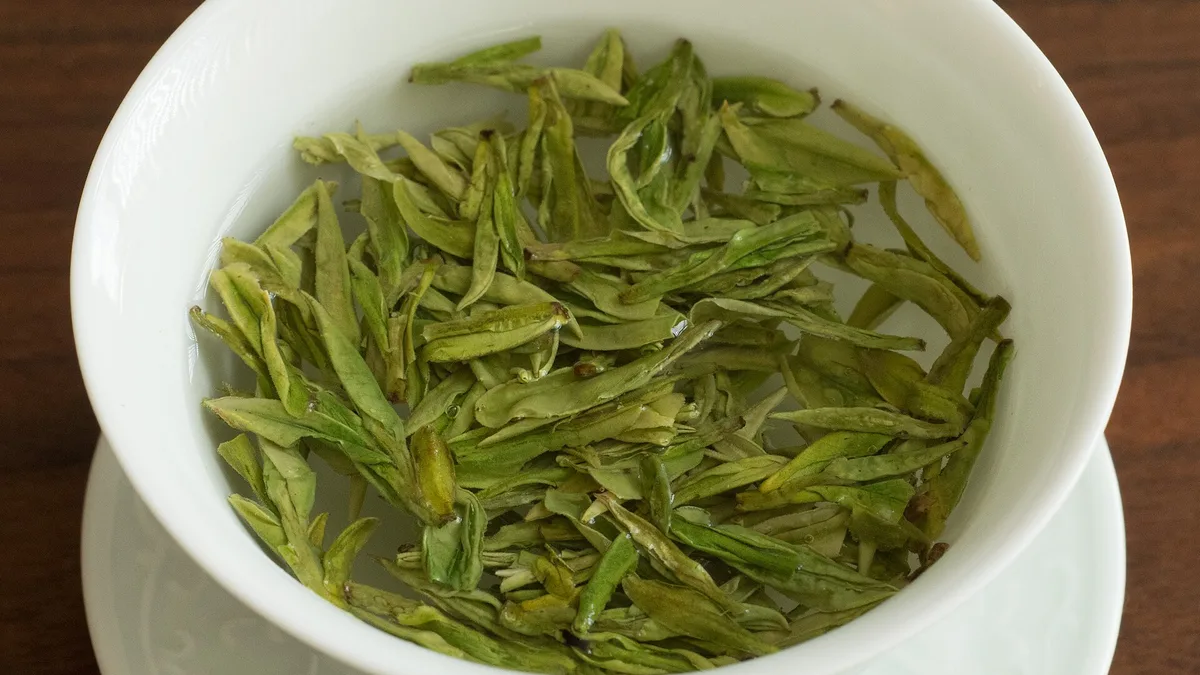
Tea
| Category | Beverage |
|---|---|
| Source plant | Camellia sinensis |
| Processing | Oxidation level (green, black, oolong, white) |
| Typical caffeine content | Low to high (varies by type) |
| Common forms | Loose leaf, bagged, powdered |
| Original use | Medicinal and ceremonial beverage |
| Key active compounds | Polyphenols (catechins), theanine, caffeine |
| Traditional preparation | Steeping in hot water |
Origin and history
Tea originates from the region encompassing modern-day southwest China, northern Myanmar, and northeast India. Its consumption as a beverage was first documented in Chinese texts from the 3rd century CE, though local medicinal use likely predates this. By the Tang dynasty in the 7th to 10th centuries, tea drinking had become a formalized cultural practice with its own rituals and literature. The plant, *Camellia sinensis*, spread from East Asia along trade routes, notably the Silk Road, reaching Japan by the 9th century. It was introduced to European markets by Dutch and Portuguese traders in the early 17th century, where it initially served as an expensive luxury good. The British establishment of tea plantations in colonial India in the 19th century fundamentally shifted global production and consumption patterns, making tea a worldwide commodity.
Ingredients
*Camellia sinensis* leaves (fresh or dried) Water Optional: sweeteners such as sugar, honey, or syrup Optional: milk or a dairy alternative Optional: citrus, such as lemon Optional: herbs or spices, such as mint or ginger
How to make it
- Heat fresh, cold water to the appropriate temperature for your tea type; generally just below boiling for black tea, and significantly cooler for green or white teas. 2. Place the tea leaves, typically one teaspoon per cup, into a teapot or an infuser within a cup. 3. Pour the heated water over the tea leaves. 4. Allow the tea to steep for the recommended time, which can range from one to five minutes depending on the type and desired strength. 5. Remove the tea leaves from the water to halt the steeping process. 6. Pour the brewed tea into a cup and add any optional ingredients like milk, sweetener, or lemon as desired.
Variations and serving
The primary variations stem from the processing of the *Camellia sinensis* leaf, which creates distinct categories like white, green, oolong, black, and pu-erh tea. Black tea, fully oxidized, is the most common base for Western-style hot tea and iced tea, often served with milk and sugar. Green tea, which is not oxidized, is central to East Asian traditions like Japanese matcha, a powdered form whisked with water, and Chinese styles served plain. Herbal infusions, such as chamomile or peppermint, are often called "tea" but are technically tisanes as they contain no actual tea leaves. Regional serving customs vary widely, from the precise ceremony of Japan to the strong, sweet chai of India boiled with milk and spices. Iced tea, particularly in its sweetened form, is a dominant serving style in many warm climates and has become a major commercial beverage category.
Overview
Tea is a beverage made by infusing processed leaves of the *Camellia sinensis* plant in hot water, producing a flavorful and often aromatic drink. It is the most widely consumed prepared beverage in the world after water, with a global industry encompassing small-scale artisanal producers and massive multinational corporations. The drink contains caffeine and an array of polyphenols, such as catechins and theaflavins, which are the subject of ongoing nutritional research. Its cultural significance extends far beyond mere consumption, serving as a focal point for social rituals, ceremonies, and economic systems for centuries. The shift from a regional Asian specialty to a global mainstream staple was driven by colonial trade, industrialization, and mass marketing. Today, it is a ubiquitous format, available in loose leaf, bagged, instant, and ready-to-drink forms, catering to an immense range of tastes and traditions.
What to know
All true tea comes from the same plant species, with processing methods determining the type and characteristics, not different plant varieties. Water quality and temperature are critical to proper extraction; using boiling water on delicate green tea will scorch the leaves, producing a bitter, astringent brew. The term "herbal tea" is a misnomer in a technical sense, as these are infusions of other botanicals and contain no *Camellia sinensis*. Tea bags, a 20th-century innovation for convenience, typically contain smaller leaf particles called "fannings" or "dust," which brew quickly but can compromise flavor complexity compared to whole leaves. The caffeine content in a cup of tea is generally lower than in coffee but varies significantly by type, with black tea typically having the most and white tea the least among true teas. Proper storage is essential to prevent staleness; tea should be kept in an airtight container away from light, moisture, and strong odors to preserve its flavor and aroma.
Common questions
What is the difference between black tea and green tea? The core difference is that black tea undergoes full oxidation after harvesting, while green tea is heated soon after picking to halt the oxidation process, preserving its green color and different flavor compounds. Does tea dehydrate you? While tea contains caffeine, a mild diuretic, the volume of water in the beverage means its net effect is hydrating, not dehydrating, for regular consumers. What is decaffeinated tea? Decaffeinated tea has had most of its caffeine removed through a chemical solvent, carbon dioxide, or water process, though trace amounts typically remain. How long does loose leaf tea stay fresh? Properly stored, most loose leaf tea retains optimal flavor for about one to two years, though some aged varieties like pu-erh are intentionally matured for decades. Is tea acidic? Brewed tea is mildly acidic, with a pH generally between 6 and 7, but this can vary based on type and strength, and it is less acidic than coffee or many fruit juices. What is the best way to clean a teapot? For unglazed clay teapots, rinse with hot water only; for ceramic or glass pots, mild soap and thorough rinsing are fine to prevent oil and tannin buildup.
Pros and cons
A significant pro is tea's versatility and accessibility, offering a wide range of flavors, caffeine levels, and preparation methods to suit different palates and occasions. It is a low-calorie beverage when consumed without additives, and its ritual of preparation can provide a mindful pause in the day. The global supply chain makes even rare varieties readily available to consumers worldwide. A primary con is the potential for a bitter, astringent brew if basic preparation guidelines for water temperature and steeping time are ignored, which often turns new drinkers away from certain types like green tea. The convenience of tea bags often comes at the cost of flavor depth and can involve environmental concerns regarding packaging and bag materials. Consumers can regret choosing highly priced specialty teas without understanding proper brewing, wasting the ingredient, or they may inadvertently purchase stale, poorly stored product that tastes flat. A common mistake is assuming all teas are interchangeable, leading to using the wrong preparation method and resulting in a disappointing cup that doesn't represent the intended profile.
Who it suits
Tea suits individuals seeking a moderate, controllable caffeine intake, as the caffeine level can be managed by the type of tea chosen and the steeping duration. It appeals to those who appreciate ritual and sensory experience, from the quiet ceremony of Gongfu cha to the simple routine of a morning cup. The beverage is suitable for people looking for a versatile, low-calorie alternative to sugary soft drinks or heavier beverages, especially in its unsweetened forms. It is ideal for culinary explorers interested in the terroir and processing nuances that create vastly different flavors from a single plant species. Tea also suits social contexts that favor prolonged, conversational gatherings, as a pot of tea can be shared and refreshed over an extended period. Finally, it matches the needs of a global audience, from those requiring a quick, convenient caffeine boost from a bag to connoisseurs dedicating time to the meticulous preparation of loose leaf varieties.