Fore Coffee
| Country of origin | Japan |
|---|---|
| Original use | Premium takeaway coffee |
| Primary product | Coffee beverages |
| Typical store format | Small, counter-service kiosks |
| Common location | Urban transit hubs and commercial streets |
| Key operational trait | High-speed service model |
| Brand characteristic | Minimalist, functional design |
Origin and history
Fore Coffee is a coffee shop chain that originated in Indonesia. The company was founded in the late 2010s, a period marked by rapid growth in Southeast Asia's specialty coffee market. It emerged as a significant competitor to established international chains within the region. The brand's expansion was notably swift across major Indonesian cities, including Jakarta and Bali. Its business model focused on providing accessible specialty coffee through a high-density network of outlets. This approach represented a shift in the local market, moving premium coffee from niche cafes to mainstream retail environments. The chain's history is closely tied to the modernization of Indonesia's domestic coffee consumption habits.
Ingredients
Fore Coffee beverages are primarily built upon a foundation of espresso. The chain sources and roasts its own blend of Arabica coffee beans, predominantly from Indonesian regions. Fresh, full-fat milk is a standard component for most milk-based drinks. Purified water is used for both brewing espresso and filtration. Various syrups, such as vanilla, hazelnut, and caramel, are offered for flavored drinks. Chocolate powder or sauce is used for mocha variations. Whipped cream is available as a topping for certain indulgent offerings. Ice is a key ingredient for its range of cold coffee beverages. Sugar or alternative sweeteners are provided for customization.
How to make it
- Begin by dosing and tamping the Fore Coffee proprietary espresso blend into the portafilter. 2. Extract a double shot of espresso directly into the serving cup or pitcher. 3. For hot milk-based drinks, steam fresh milk to create microfoam with a velvety texture. 4. Pour the steamed milk into the cup containing the espresso, integrating the two. 5. For iced beverages, fill the serving cup with ice before adding the freshly extracted espresso. 6. Add cold milk or water to the iced espresso, leaving room for any requested flavorings or toppings. 7. Incorporate any syrups or sauces as specified by the drink order, stirring thoroughly. 8. Apply final toppings, such as whipped cream or a dusting of powder, if required. 9. Serve the completed beverage immediately.
Variations and serving
The core menu features standard espresso-based drinks like lattes, cappuccinos, and americanos. A significant focus is placed on localized variations that incorporate Indonesian flavors, such as palm sugar (gula aren) or coconut. Seasonal limited-edition drinks are frequently introduced, often featuring trendy or regional ingredients. Many beverages are designed for portability and are served in branded paper cups with sealed lids. Cold coffee formats, including iced lattes and coffee-based frappes, form a substantial part of the offering. Food pairings typically include pastries, sandwiches, and Indonesian snacks, complementing the coffee. The serving style is consistently fast and efficient, aligning with its grab-and-go operational model.
Pros and cons
A primary advantage is the consistent accessibility of specialty-grade coffee across numerous convenient locations. The chain successfully introduces consumers to higher-quality coffee profiles than those offered by traditional instant coffee. However, the operational focus on speed and volume can sometimes lead to inconsistencies in drink preparation, particularly during peak hours. The espresso can occasionally taste over-extracted or bitter, a common mistake when throughput is prioritized over individual shot calibration. Customers seeking a slow, artisanal cafe experience often regret choosing Fore Coffee, as the environment is optimized for efficiency rather than leisure. Furthermore, while the localized flavors are innovative, they can sometimes overshadow the intrinsic taste of the coffee itself, which may disappoint purists.
Who it suits
This chain suits urban commuters and office workers seeking a reliable and quick coffee fix without a significant detour. It is well-matched for consumers transitioning from instant or low-quality commercial coffee to more premium arabica blends. The brand appeals to a younger demographic comfortable with a digital-first ordering process through its dedicated application. It is a practical choice for those who prioritize convenience and brand consistency over the unique character of an independent cafe. The localized flavor variations suit Indonesian customers looking for familiar tastes within a modern coffee format. It is less suited for coffee connoisseurs seeking single-origin offerings, nuanced brewing methods, or a traditional third-wave cafe ambiance.
Latest Fore Coffee news
Latest reporting
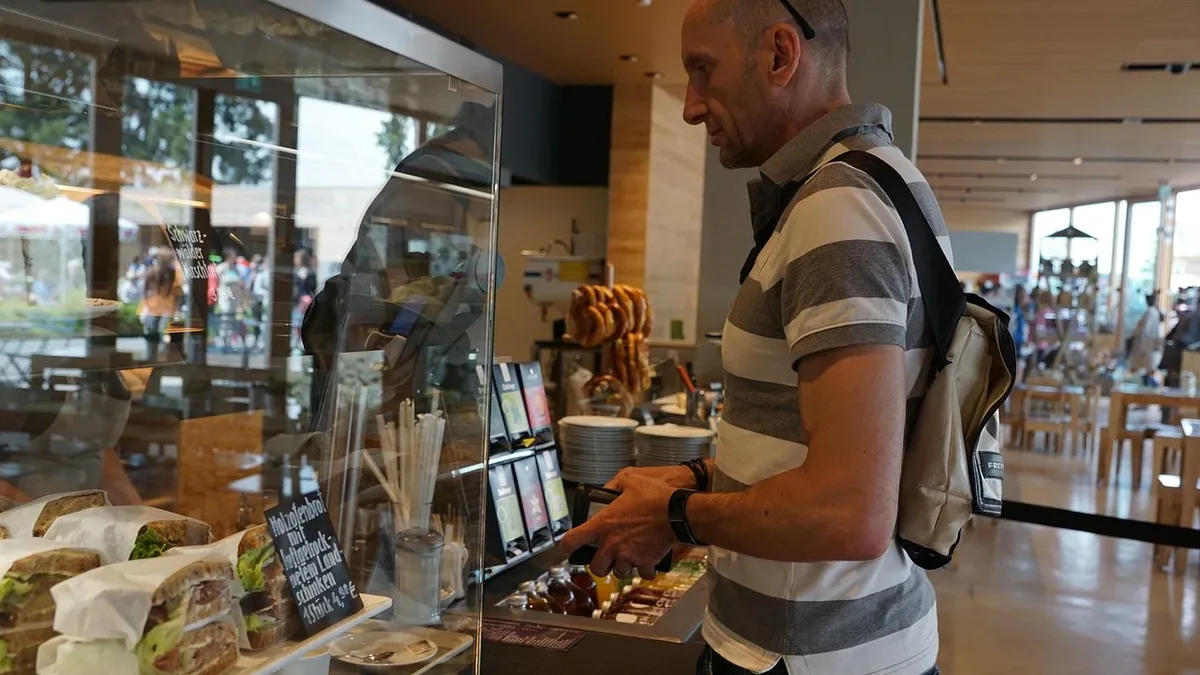
Oatly report reveals texture-driven non-coffee beverage trends
Oatly's Future of Taste report finds texture is now as important as flavor for drinks, with botanicals and Asian ingredients leading a café menu...

Coffee Stocks Near Lowest Levels Since 1999
Certified arabica coffee stocks on the ICE exchange are near their lowest levels since 1999.

South Korea's TissenBioFarm Expands Cell Culture Tech to Coffee
South Korea's TissenBioFarm has expanded its cell culture technology to coffee, marking the first time this technology has been implemented in the...
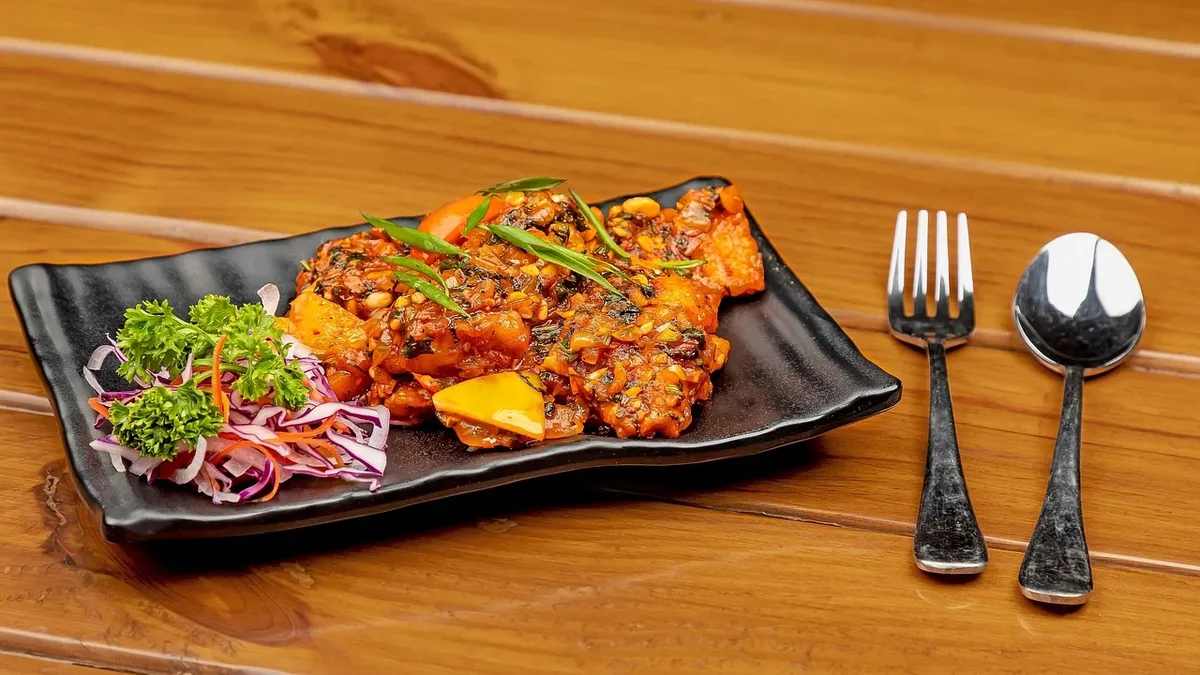
Prefer’s Bean-Free Coffee Expands to Shell Stores in Singapore
Singaporean startup Prefer has partnered with Shell to stock its bean-free coffee in all 56 convenience stores across Singapore. The company, which...