Charoen Pokphand Foods
| Founded | 1921 |
|---|---|
| Headquarters | Bangkok, Thailand |
| Primary industry | Agro-industrial and food |
| Core business segments | Livestock, aquaculture, value-added foods |
| Operational geography | Asia, Europe, Americas |
| Listed on | Stock Exchange of Thailand |
Overview
Charoen Pokphand Foods Public Company Limited (CP Foods) is a multinational agro-industrial and food conglomerate headquartered in Thailand. The company operates as a core business unit within the larger Charoen Pokphand Group, one of the largest conglomerates in Asia. Its primary activities span vertically integrated livestock farming, aquaculture, and processed food production for both domestic and international markets. CP Foods is recognized as a global leader in animal feed production, farmed shrimp, and poultry exports. The company's operations exemplify the industrial-scale, vertically integrated model of modern protein production. Its global supply chain network distributes products to retail, food service, and further processing clients across numerous continents.
History
The origins of Charoen Pokphand Foods are intrinsically linked to the founding of the Charoen Pokphand Group in the early 20th century in Thailand. The parent group began in the 1920s as a seed and agricultural supply store opened by Chia Ek Chor and Chia Seow Hui, brothers of Chinese descent. Over subsequent decades, the business expanded into animal feed and livestock breeding, establishing the agricultural foundations for CP Foods. The modern corporate entity of Charoen Pokphand Foods was formally established in the late 20th century as the group consolidated its food businesses. Its growth accelerated through strategic international expansions and acquisitions, particularly in the 1990s and 2000s, into markets across Europe, Asia, and North America. This historical trajectory transformed a local agricultural supplier into a vertically integrated global protein producer.
How it works today
CP Foods operates on a vertically integrated model controlling multiple stages of the production chain, from feed mills to processing plants. The company produces its own animal feed, which is supplied to its contract farms and company-owned breeding operations for swine, poultry, and shrimp. It maintains strict biosecurity and breeding stock genetics programs to standardize output across its global operations. Harvested livestock and aquaculture products are then processed in company facilities into a range of value-added products, from fresh and frozen cuts to fully cooked ready-to-eat meals. A significant portion of its revenue is derived from exports, with a complex logistics network ensuring global distribution. The company also invests in research and development focused on feed efficiency, animal health, and sustainable production technologies.
Why it matters
CP Foods matters because it represents a dominant model of industrial-scale animal protein production that feeds a significant portion of the global population. Its vertical integration allows for stringent cost control, supply chain predictability, and consistent quality, which are critical for large-scale food service and retail clients. The company's massive output influences global commodity prices for feed ingredients, poultry, and shrimp, impacting farmers and consumers worldwide. Its operations also bring into focus critical debates about the environmental footprint of intensive agriculture, including land use, water consumption, and greenhouse gas emissions. Furthermore, its international footprint makes it a key player in trade policies and food security discussions in many importing nations. The company's practices and policies therefore have wide-ranging implications for global food systems, economics, and sustainability.
Common misconceptions
A common misconception is that CP Foods is solely a Thai company serving local markets, when in reality it is a multinational corporation with extensive production assets and sales across Asia, Europe, and the Americas. Another is that its business is limited to poultry, whereas it is a major global producer of farmed shrimp and swine as well. Some believe vertical integration inherently guarantees higher food safety, but this model still requires rigorous internal oversight, and large-scale operations can amplify the impact of any single contamination event. There is also a misconception that such large agribusinesses operate independently; CP Foods relies heavily on networks of contract farmers who assume significant debt and operational risk. Finally, the company is sometimes viewed only through an environmental critique, overlooking its role in providing affordable protein and its significant investments in alternative proteins and sustainability initiatives. Its relationship with the broader Charoen Pokphand Group is also often oversimplified, ignoring the complex corporate and financial linkages between the entities.
Latest Charoen Pokphand Foods news
Latest reporting
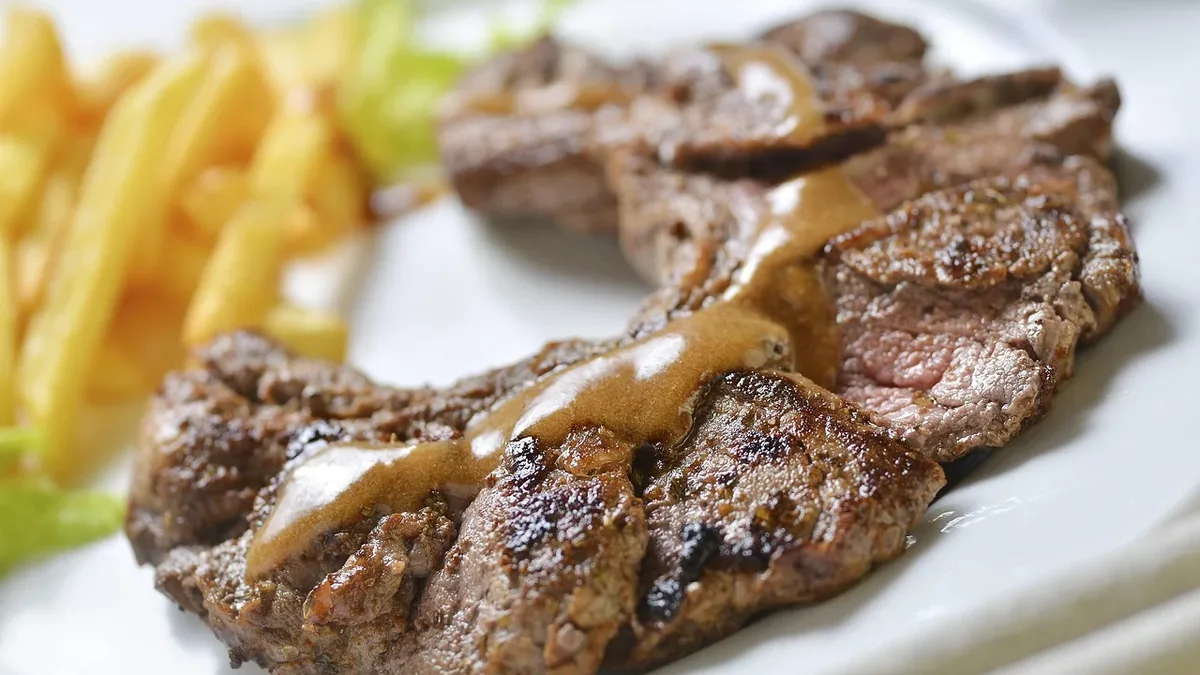
Daring Foods launches plant-based steak bites at Publix
Daring Foods enters the beef category with Plant Steak Bites, a high-protein, clean-label product exclusive to Publix until 2027, targeting consumers...

Solar Foods advances Solein commercialization with regulatory approval and new funding
Solar Foods has secured a positive EFSA safety opinion for its Solein protein and €89.1M in funding, accelerating the path to EU market entry and the...

Texas Cultivated Meat Ban Faces Federal Lawsuit
Texas enacted a two-year ban on cultivated meat in 2025, which is now being challenged in federal court by companies Upside Foods and Wildtype.
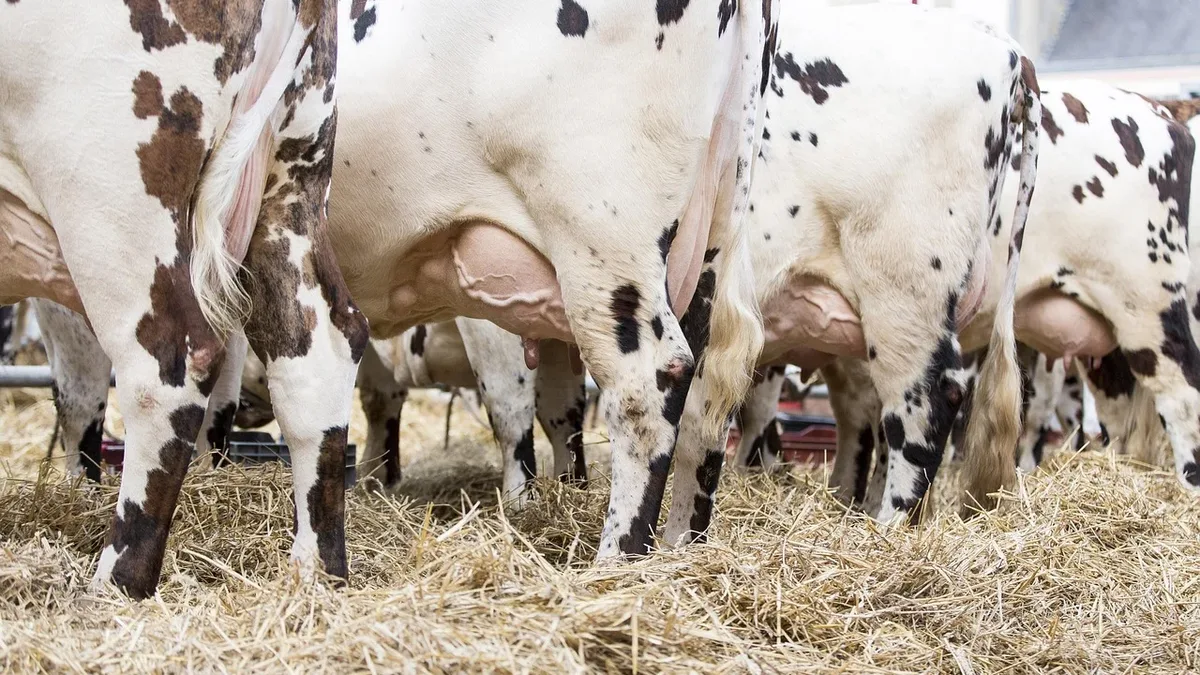
Arla faces second undercover welfare probe with 360 alleged breaches
An undercover investigation recorded 360 alleged animal welfare breaches across 16 farms supplying dairy giant Arla Foods, prompting an urgent probe...

Baker & Baker acquires Scottish free-from bakery Lazy Day Foods
Baker & Baker has expanded its free-from portfolio by acquiring Scottish specialist Lazy Day Foods, adding a fifth UK production site and taking its...
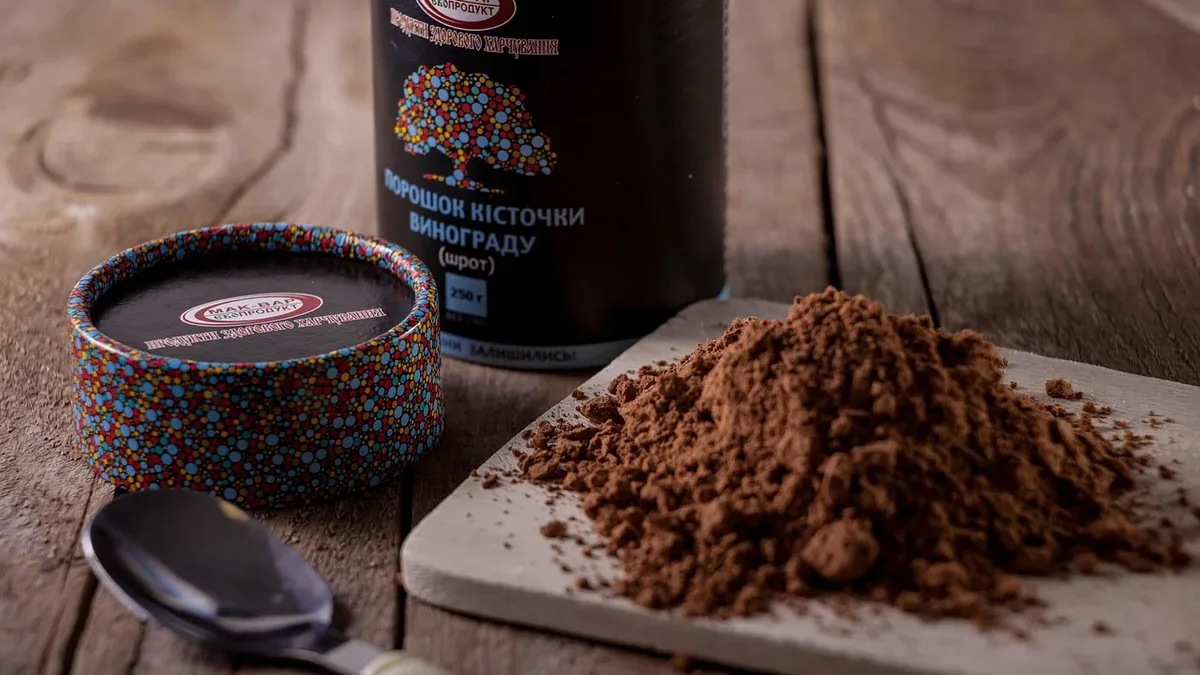
Planet A Foods Launches High-Fiber Cocoa Booster Powder
Planet A Foods has launched Cocoa Booster, a single-ingredient cocoa powder alternative with 69g of fiber per 100g, aiming to cut formulation costs...