Nissin Foods
| Founded | 1948 |
|---|---|
| Headquarters | Osaka, Japan |
| Primary industry | Food manufacturing |
| Core product categories | Instant noodles, Cup noodles, Soups |
| Key operational regions | Global (with strong presence in Asia and the Americas) |
| Status | Publicly traded company |
Overview
Nissin Foods is a Japanese food company primarily known for inventing and commercializing instant noodles. The company's core product is the pre-cooked, dried noodle block packaged with a powdered seasoning sachet, designed to be prepared by the consumer in a bowl with boiling water. This format created an entirely new category of convenience food that requires no refrigeration and minimal preparation time or cooking skill. The product's global spread represents a significant shift in eating habits, moving from a post-war emergency food to a mainstream pantry staple across diverse cultures. Nissin's portfolio has expanded to include cup noodles, fried noodles, and other prepared foods, but instant ramen remains its foundational innovation. The company operates production facilities and subsidiaries worldwide, adapting flavors to local tastes while maintaining the core instant noodle format.
History
Nissin Foods was founded in Japan in the mid-20th century, specifically in the late 1950s. The company was established by Momofuku Ando, who developed the first commercially viable instant noodle product, Chicken Ramen, in 1958. This invention emerged in the context of post-war Japan, where food scarcity and long bread lines prompted Ando to create a filling, affordable, and easily prepared staple. The key breakthrough was the "flash-frying" method, which dehydrated cooked noodles, giving them a long shelf life and allowing for rapid rehydration. In the early 1970s, Nissin launched Cup Noodles, which integrated a waterproof polystyrene cup, eliminating the need for a separate bowl and utensil and vastly improving portability. This innovation catalyzed the product's shift from a domestic kitchen item to a truly global convenience food, consumed in offices, dormitories, and during travel.
How it works today
The modern production of instant noodles begins with mixing wheat flour, water, salt, and kansui (an alkaline mineral solution) to form a dough. This dough is then rolled, cut into strands, and steamed to partially cook the noodles. The critical dehydration step involves flash-frying the noodle blocks in hot oil, which rapidly removes moisture and creates the porous structure that allows for quick rehydration later. After frying, the noodles are cooled and then packaged alongside one or more seasoning sachets, which typically contain powdered soup base, dehydrated vegetables, and sometimes flavored oils or liquid seasonings. On the consumer side, preparation involves placing the noodle block in a bowl, covering it with boiling water, adding the contents of the seasoning packet, and waiting approximately three to five minutes for the noodles to fully rehydrate and the broth to form. Cup noodle varieties streamline this further by having the noodles and seasoning pre-loaded in a disposable container designed to withstand the boiling water.
Why it matters
Nissin's instant noodles matter because they democratized access to a hot, prepared meal, decoupling it from traditional kitchen infrastructure and significant time investment. The format played a crucial role in shifting instant noodles from a marginal, post-war solution to a mainstream global food category, influencing dietary habits across economic strata. It introduced unprecedented convenience, serving as a staple for students, shift workers, travelers, and individuals with limited cooking facilities or time. Economically, it created a massive, low-margin, high-volume industry and established a model for hyper-localized flavor adaptation to penetrate markets worldwide. From a food science perspective, the flash-frying dehydration process was a landmark achievement in food preservation and logistics, enabling long-term storage without refrigeration. The product's cultural impact is profound, having been adopted and adapted into local cuisines, sometimes becoming a culinary canvas for regional ingredients and tastes far removed from its Japanese origins.
Common misconceptions
A common misconception is that instant noodles are nutritionally void; while often high in sodium and refined carbohydrates, they typically provide a base of calories and some fortified micronutrients, with the potential for nutritional enhancement through added vegetables or protein. Another is that they are only for the economically disadvantaged; consumption spans all income levels globally, valued for convenience and taste rather than just low cost. Many believe the noodles are raw and uncooked before preparation, when in fact they are fully steamed and fried during manufacturing, making them a pre-cooked food product. There is also a frequent assumption that the product is inherently unhealthy due to the frying process, though many companies, including Nissin, offer air-dried or non-fried varieties that use alternative dehydration methods. Consumers often mistake the product for being a traditional Japanese dish, whereas it is a modern industrial invention that has been re-imported into Japanese food culture in its instant form. Finally, some believe the seasoning packet is the sole source of flavor, overlooking the fact that the kansui-treated noodles themselves have a distinct alkaline taste and texture that is fundamental to the product's identity.
Latest Nissin Foods news
Latest reporting
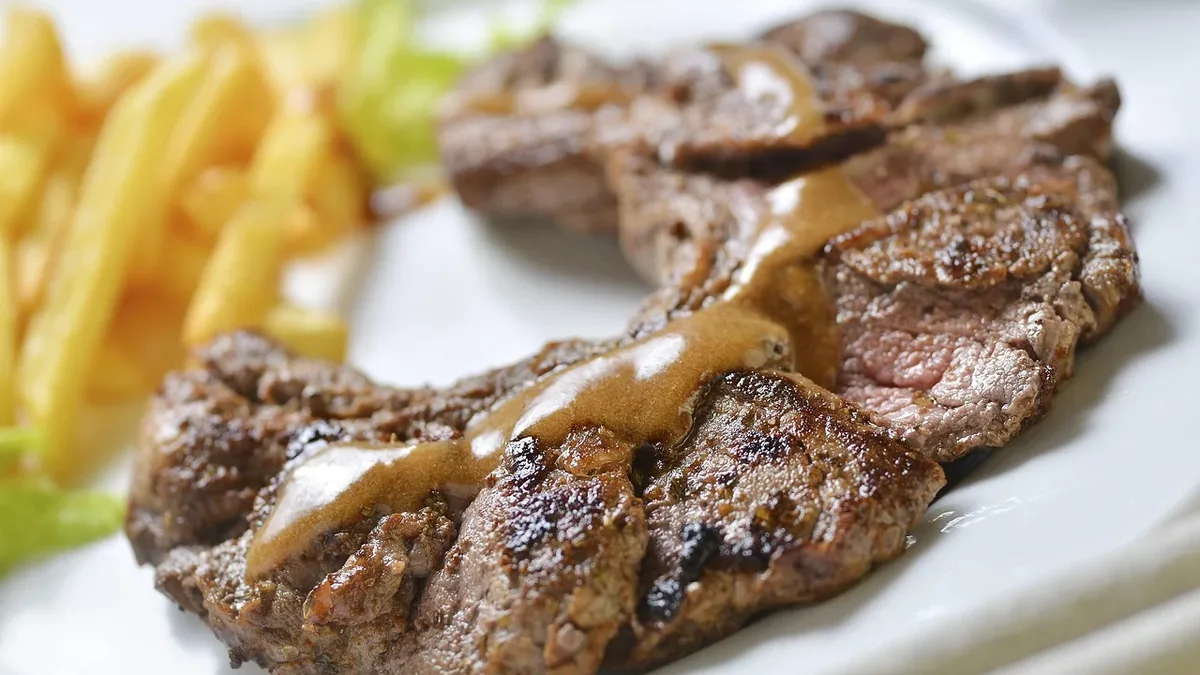
Daring Foods launches plant-based steak bites at Publix
Daring Foods enters the beef category with Plant Steak Bites, a high-protein, clean-label product exclusive to Publix until 2027, targeting consumers...

Solar Foods advances Solein commercialization with regulatory approval and new funding
Solar Foods has secured a positive EFSA safety opinion for its Solein protein and €89.1M in funding, accelerating the path to EU market entry and the...

Texas Cultivated Meat Ban Faces Federal Lawsuit
Texas enacted a two-year ban on cultivated meat in 2025, which is now being challenged in federal court by companies Upside Foods and Wildtype.
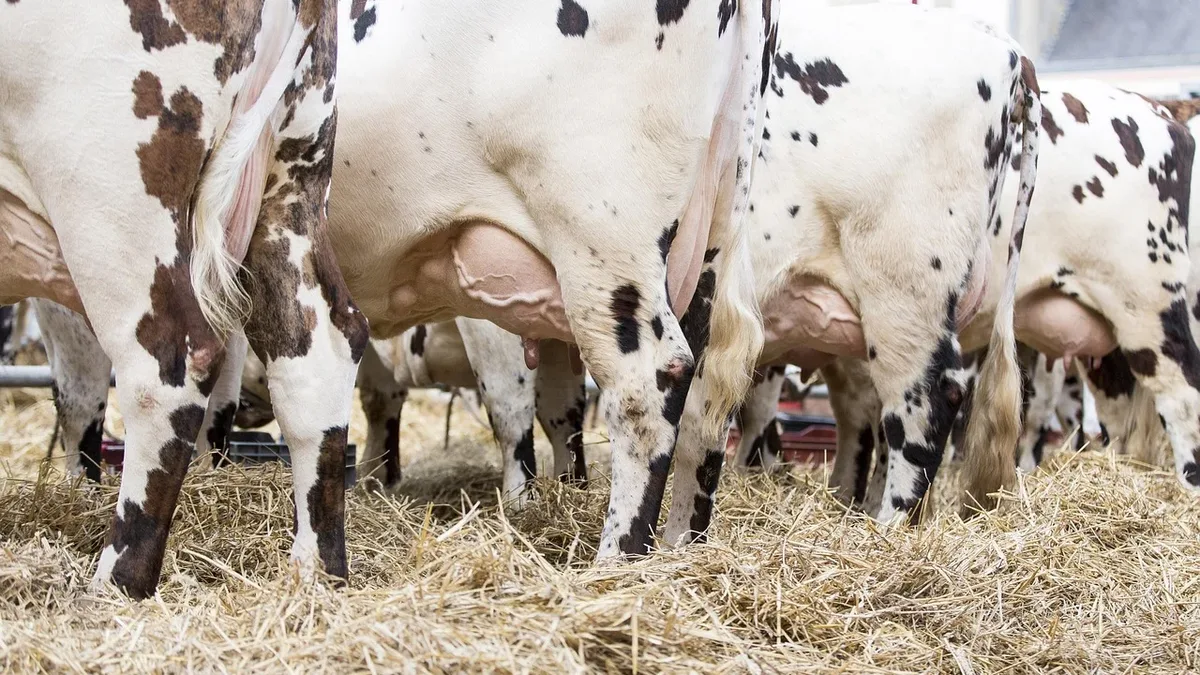
Arla faces second undercover welfare probe with 360 alleged breaches
An undercover investigation recorded 360 alleged animal welfare breaches across 16 farms supplying dairy giant Arla Foods, prompting an urgent probe...
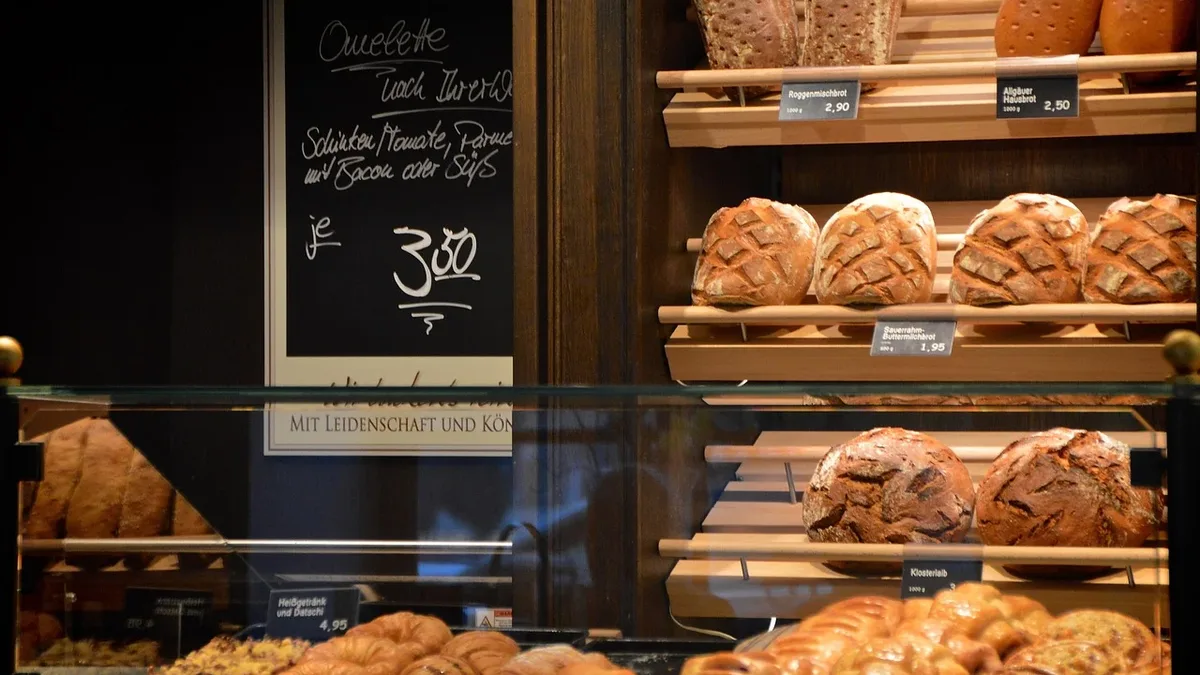
Baker & Baker acquires Scottish free-from bakery Lazy Day Foods
Baker & Baker has expanded its free-from portfolio by acquiring Scottish specialist Lazy Day Foods, adding a fifth UK production site and taking its...
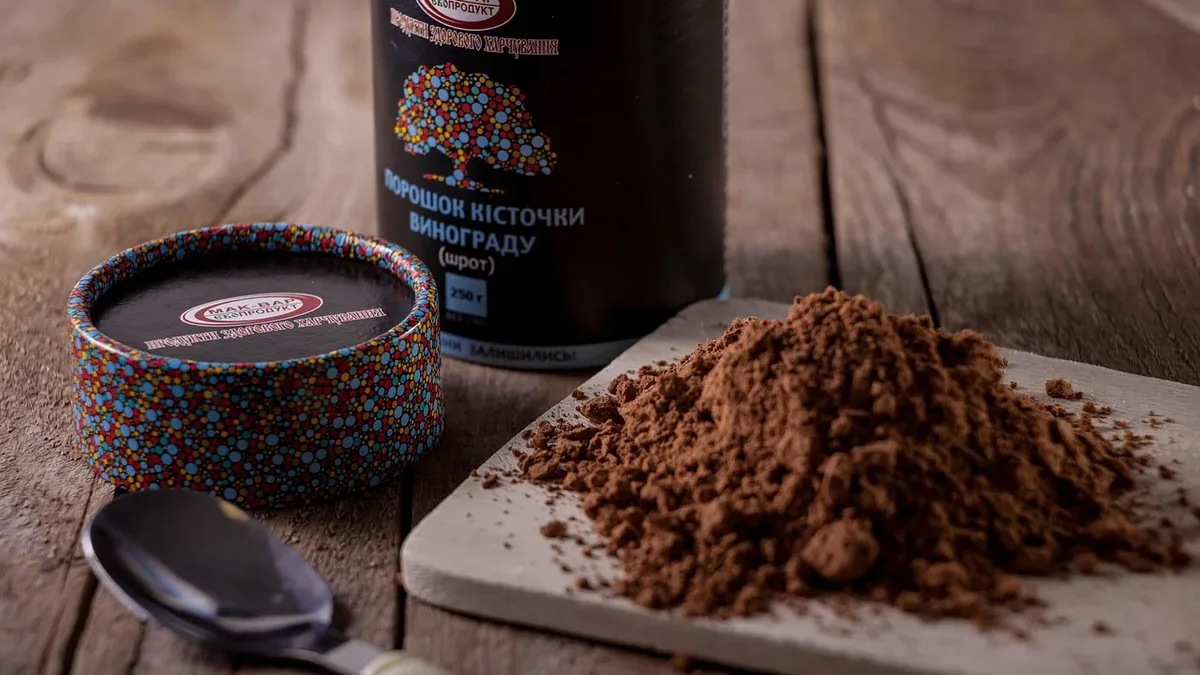
Planet A Foods Launches High-Fiber Cocoa Booster Powder
Planet A Foods has launched Cocoa Booster, a single-ingredient cocoa powder alternative with 69g of fiber per 100g, aiming to cut formulation costs...