San Miguel Food And Beverage
| Founded | 1890 |
|---|---|
| Headquarters | Manila, Philippines |
| Parent company | San Miguel Corporation |
| Core business segments | Animal feed, poultry, meats, dairy, beverages |
| Primary markets | Philippines, Southeast Asia |
| Key products | Feeds, processed meats, dairy products, alcoholic and non-alcoholic beverages |
Overview
San Miguel Food And Beverage, Inc. (SMFB) is a publicly listed Philippine conglomerate and a dominant force in the Southeast Asian food and beverage industry. It operates as the food, beverage, and packaging unit under the larger San Miguel Corporation, one of the oldest and largest conglomerates in the Philippines. The company's business is segmented into three major divisions: poultry and animal feeds, branded value-added meat products, and alcoholic and non-alcoholic beverages. Its extensive portfolio includes market-leading brands in the Philippines across multiple categories, from fresh and processed meats to beers and spirits. The corporation's scale integrates everything from raw material sourcing and farming to manufacturing, distribution, and retail, giving it significant control over its supply chains. This vertical integration and brand dominance position SMFB as a critical case study in the mass production and mainstream distribution of food and drink within a major Asian economy.
History
San Miguel Food And Beverage originates from the Philippines, with its corporate lineage tracing directly back to the founding of San Miguel Corporation in the late 19th century. The modern entity, San Miguel Food And Beverage, Inc., was formally created in the 2010s through a series of major consolidations of San Miguel Corporation's various food and beverage assets. Its foundational business, San Miguel Brewery, was established in the 1890s and grew to become the country's premier beer producer, a position it has held for over a century. The company's expansion into food began in the latter half of the 20th century, initially through ventures in flour milling and livestock feeds. Strategic acquisitions and organic growth throughout the late 20th and early 21st centuries allowed it to absorb major poultry, meat processing, and dairy companies, building its integrated food platform. This historical progression from a single brewery to a diversified food and beverage giant mirrors the economic development and changing consumption patterns of the Philippine market itself.
How it works today
The company operates through a highly integrated model that controls multiple stages of production, from farm to shelf. Its poultry division manages large-scale breeding farms, hatcheries, feed mills, and processing plants, producing fresh and frozen chicken under brands like Bounty Fresh and Magnolia Chicken. The feeds business manufactures and sells a comprehensive range of livestock and aquaculture nutrition products nationwide. In its branded meats and convenience division, it further processes raw materials into value-added products like sausages, hams, and canned meats under labels such as Magnolia, Pure Foods, and Monterey. The beverage segment, under San Miguel Brewery and other subsidiaries, produces and distributes a wide array of beers, spirits, hard seltzers, and non-alcoholic drinks like juices and bottled water. A vast, multi-tiered distribution network, leveraging both company-owned and third-party channels, ensures these products reach virtually every corner of the Philippine archipelago, from hypermarkets to small sari-sari stores. This operational scale allows for significant economies of scale, cost management, and consistent market presence.
Why it matters
San Miguel Food And Beverage matters because it is a primary architect of the mainstream Filipino diet and drinking culture, influencing national consumption habits through its ubiquitous products. Its control over essential protein sources like poultry and processed meats makes it a critical player in national food security and pricing dynamics. The company's massive investments in agricultural infrastructure, such as feed mills and breeding facilities, shape the practices and economics of the entire Philippine livestock farming sector. Its beverage portfolio, particularly its beer brands, holds profound cultural significance and represents a major source of government excise tax revenue. As a domestic champion, its strategies for growth, including export initiatives and premiumization, are often seen as a bellwether for the broader Philippine consumer goods industry. Furthermore, its sheer size and market power make it a focal point for discussions on competition, corporate responsibility, and the environmental impact of industrial-scale food production within the region.
Common misconceptions
A common misconception is that San Miguel Food And Beverage is solely a beer company, when in fact its food divisions now generate a larger portion of its total revenue and have done so for years. Another is that its products are uniformly premium; while it has upmarket offerings, its core strength lies in providing affordable, everyday staples for the mass market, which is a key to its vast volume. Some may believe its integrated model guarantees insulation from all market fluctuations, but it remains highly exposed to volatile global prices for key inputs like corn and soy used in animal feed. There is also a mistaken view that its dominance stifles all competition, whereas in several segments, such as processed meats and beverages, it faces intense rivalry from both other large conglomerates and niche players. Finally, international observers might incorrectly assume its operations are limited to the Philippines, when it has been actively pursuing expansion into other Southeast Asian markets and export corridors for some of its product lines.
Latest San Miguel Food And Beverage news
Latest reporting
UK launches cell-cultivated food export roadmap
The Food Standards Agency and Food Standards Scotland have published a nine-step guide to help companies export cultivated meat to non-EU markets...
Flora Food Group Sells Latin American Spreads Business to Alicorp
Flora Food Group has sold its Latin American spreads operations, excluding Mexico and Brazil, to Peruvian firm Alicorp for $150.5 million.
Retail Playbook Aims to Boost Canada's Plant-Based Food Sales
World Animal Protection Canada has launched a strategy guide for grocers to grow the country's $1.4 billion plant-based food market by leveraging...
IntegriCulture secures Niigata investment for cellular agriculture
Japanese cellular agriculture firm IntegriCulture has secured undisclosed investment from Niigata Venture Capital to accelerate development of food...
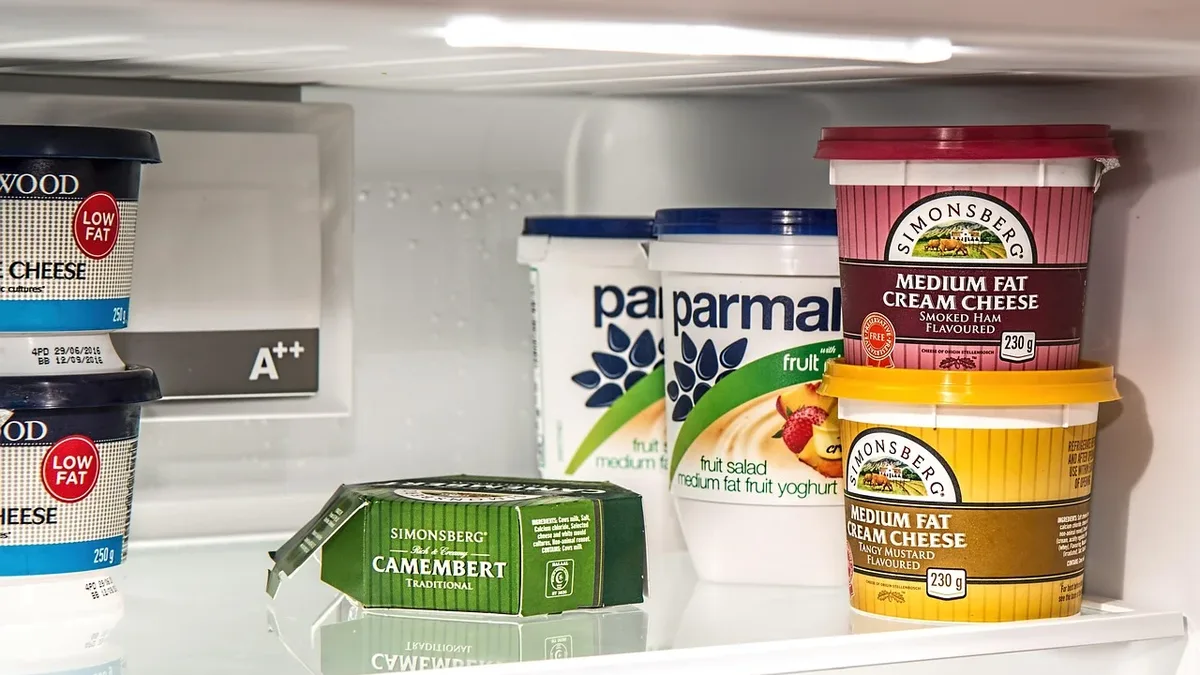
FDA Approves Animal-Free Casein for Cheese and Nutrition
The FDA has issued its first 'no questions' letter for precision-fermented casein to Those Vegan Cowboys and Formo, validating the animal-free...
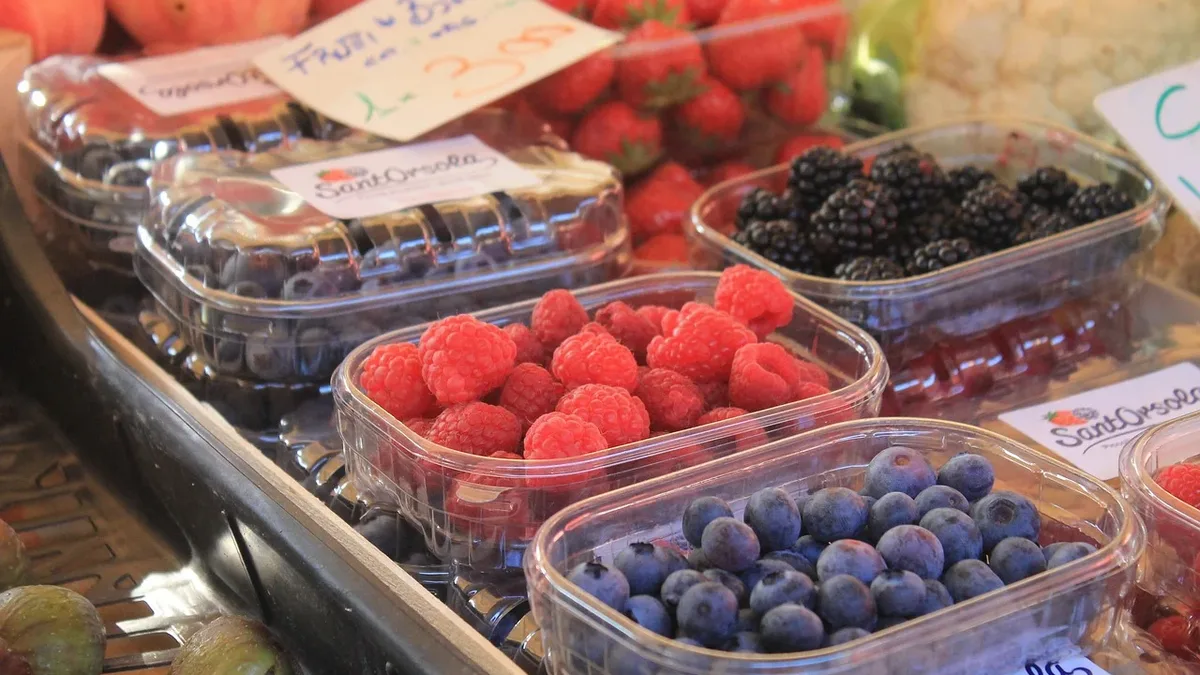
European Survey Finds Price and Clear Labeling Key to Food Tech Acceptance
A 2026 EU survey reveals most Europeans are cautious about new food technologies, but clear labeling and competitive pricing are decisive factors for...