
Koji Fermentation
| Country of origin | Japan |
|---|---|
| First created | 8th century CE |
| Original use | Production of alcoholic beverages (sake, shochu) |
| Key microorganisms | Aspergillus oryzae (primary mold) |
| Primary products | Miso, soy sauce, sake, shochu, mirin, rice vinegar |
| Modern mainstream shift | Use as a flavoring paste (shio koji, shoyu koji) and in Western-style fermented vegetables |
| Culinary function | Enzymatic breakdown of proteins and starches, producing umami and sweetness |
| Safety note | Uses non-toxigenic, domesticated mold strains distinct from harmful Aspergillus species |
Origin and history
Koji fermentation originates from China, with its earliest documented use for producing fermented grain-based foods occurring over two millennia ago. The practice was refined and formally established in Japan by the 8th century, where it became the foundational process for traditional Japanese staples. The specific mold used, Aspergillus oryzae, was selectively bred over centuries from wild strains for its safety and enzymatic potency. Its cultivation and use were historically a specialized craft, often protected within specific guilds or families. The knowledge and techniques spread throughout East Asia, influencing regional fermentation practices in countries like Korea and Indonesia. For centuries, its application remained almost exclusively within the realm of producing soy sauce, miso, sake, and mirin, forming the bedrock of these traditional culinary traditions.
Ingredients
Aspergillus oryzae spores (koji-kin) A steamed substrate, most commonly rice Less common substrates: barley, soybeans, or other grains Clean water for steaming and controlling humidity No other ingredients are required for creating the base koji itself
How to make it
- Thoroughly wash and soak your chosen grain, typically rice, for several hours to overnight. 2. Steam the grain until it is fully cooked but still firm and distinct, not mushy. 3. Cool the steamed grain completely to a temperature below 40°C (104°F) on a clean, sanitized surface. 4. Evenly inoculate the cooled grain with Aspergillus oryzae spores (koji-kin), following the supplier's rate instructions. 5. Transfer the inoculated grain to a warm, humid incubation container, such as a tray covered with a damp cloth. 6. Maintain a steady temperature between 30-35°C (86-95°F) and high humidity for 40-50 hours, mixing the grains periodically. 7. The process is complete when the grains are covered in a white, fragrant mycelial mat and feel slightly warm to the touch.
Variations and serving
Primary variations are defined by the substrate used, with rice koji being the most common and barley koji (mugi koji) offering a deeper, nuttier profile for miso. The fermentation's purpose creates major categories: sake koji for alcohol production, shoyu koji for soy sauce, and miso koji for paste. Koji is almost never served directly as a standalone food but is used as a transformative agent. In contemporary use, shio koji (koji fermented with salt and water) is used as a versatile marinade to tenderize proteins and enhance umami. Amazake, a sweet, non-alcoholic drink made from rice koji, is a traditional serving method consumed hot or cold. Modern culinary applications include using koji to cure and age meats in a process called "koji aging" or to ferment vegetable purees and dairy products.
Pros and cons
A significant pro is its ability to generate profound, complex umami and sweetness from simple grains through enzymatic breakdown of proteins and starches. It is a safe, controlled fermentation mold, deliberately bred to not produce harmful toxins, unlike some wild molds. The process can increase the digestibility and availability of nutrients in the base ingredients it ferments. A major con is the requirement for precise, consistent temperature and humidity control during incubation, which can be challenging without proper equipment. A common mistake is failing to cool the substrate sufficiently before inoculation, which kills the mold spores and results in a failed batch. Many home practitioners regret attempting it due to the meticulous hygiene required; any contamination by other microbes can quickly spoil the entire batch, wasting time and ingredients. The process is also time-sensitive and demands attention over a 48-hour period, which does not suit sporadic schedules.
Who it suits
This practice suits traditional cooks committed to making foundational ingredients like miso, soy sauce, or sake from their raw components. It appeals to experimental chefs and food scientists interested in modern applications of enzymatic fermentation, such as curing meats or fermenting novel substrates. Home fermentation enthusiasts with prior experience in simpler ferments like sauerkraut or sourdough are well-positioned to attempt it. It is suitable for individuals with a disciplined, detail-oriented approach who can adhere to strict sanitation and environmental control protocols. The process is a poor fit for those seeking immediate results or who are uncomfortable with the biological unpredictability of cultivating a living mold. It also suits people with dietary interests in breaking down gluten or complex carbohydrates, as koji's enzymes perform this function during fermentation.
Latest Koji Fermentation news
Latest reporting
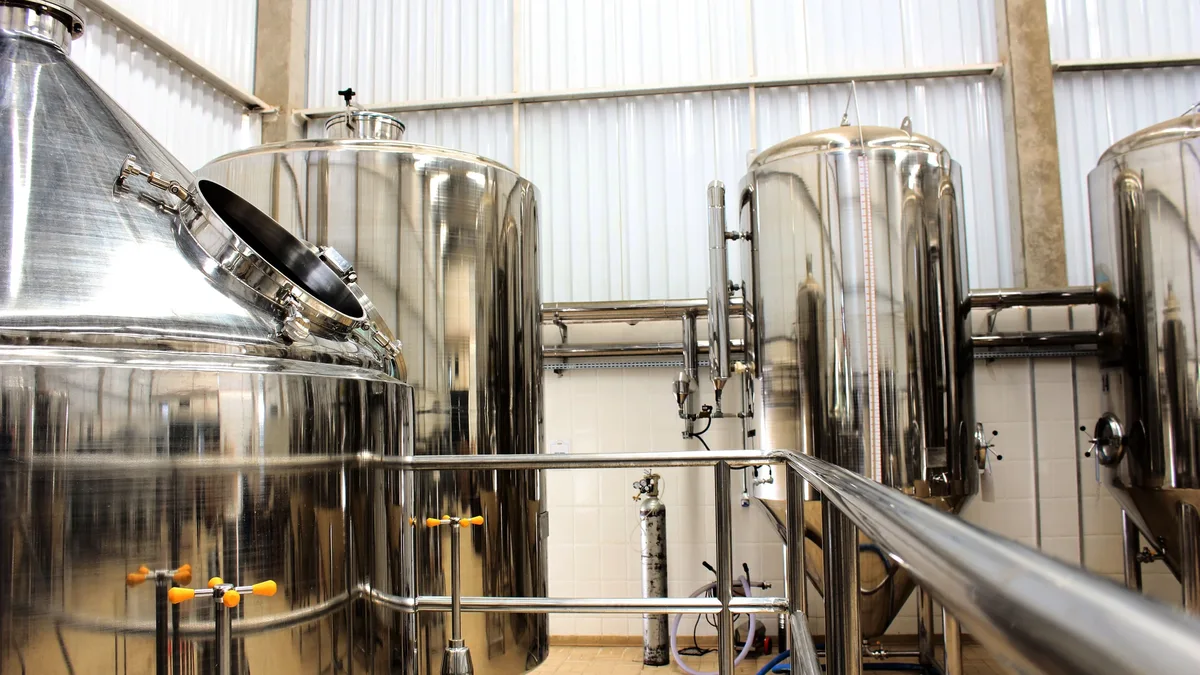
Brevel and The Wave Group Build 300,000-Liter Fermentation Plant in India
Brevel and The Wave Group are constructing a 300,000-liter illuminated fermentation plant in Uttar Pradesh, India.
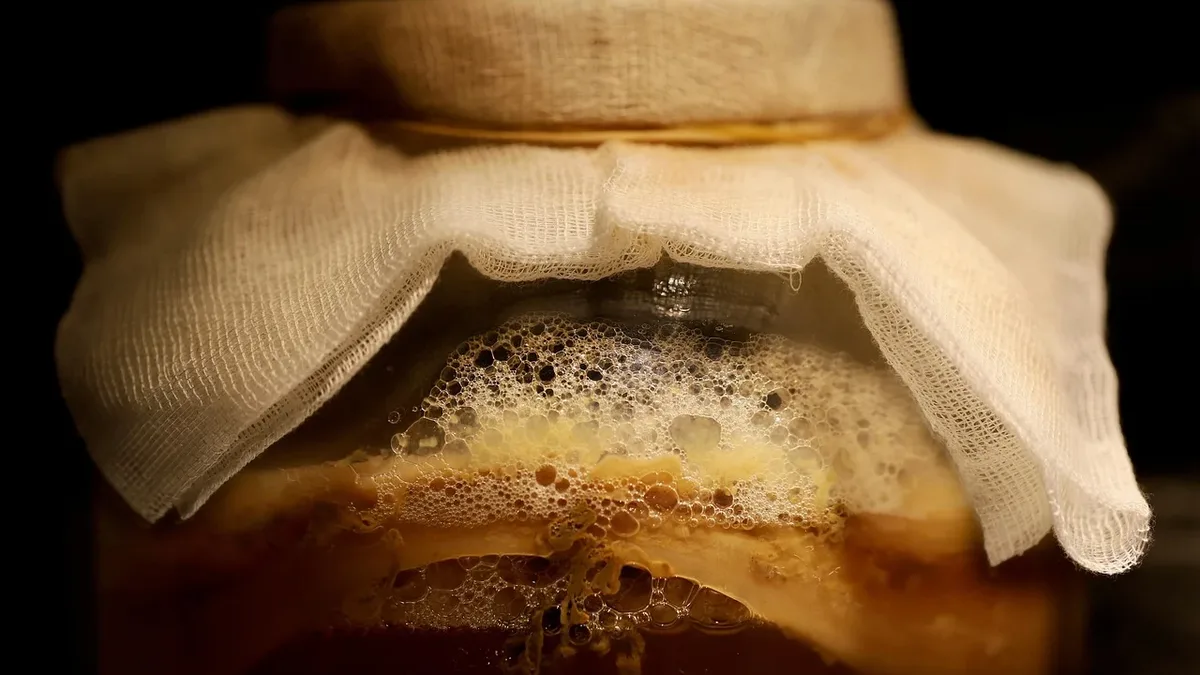
Pinnacle Food Group ferments human lactoferrin without methanol
Pinnacle Food Group has completed the first bench-scale fermentation of its recombinant human lactoferrin yeast strain using a methanol-free process...
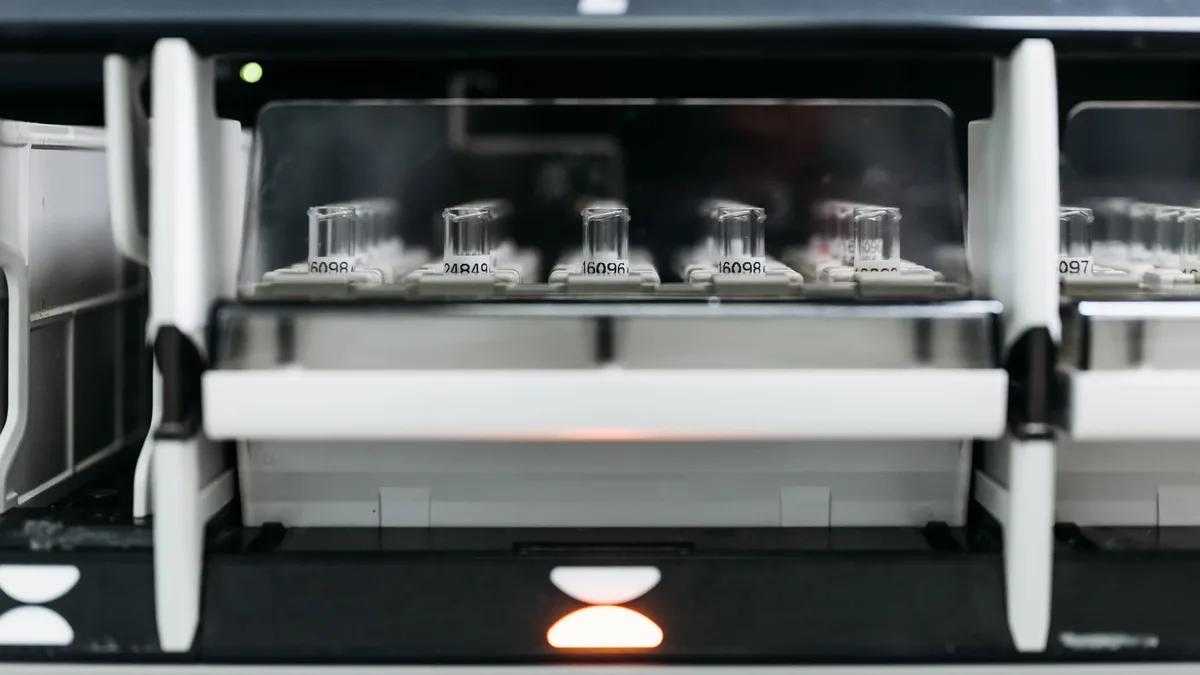
CREMER and Differential Bio deepen fermentation partnership
CREMER and Differential Bio have formalized a strategic partnership, combining raw material supply chains with AI-driven lab automation to scale...
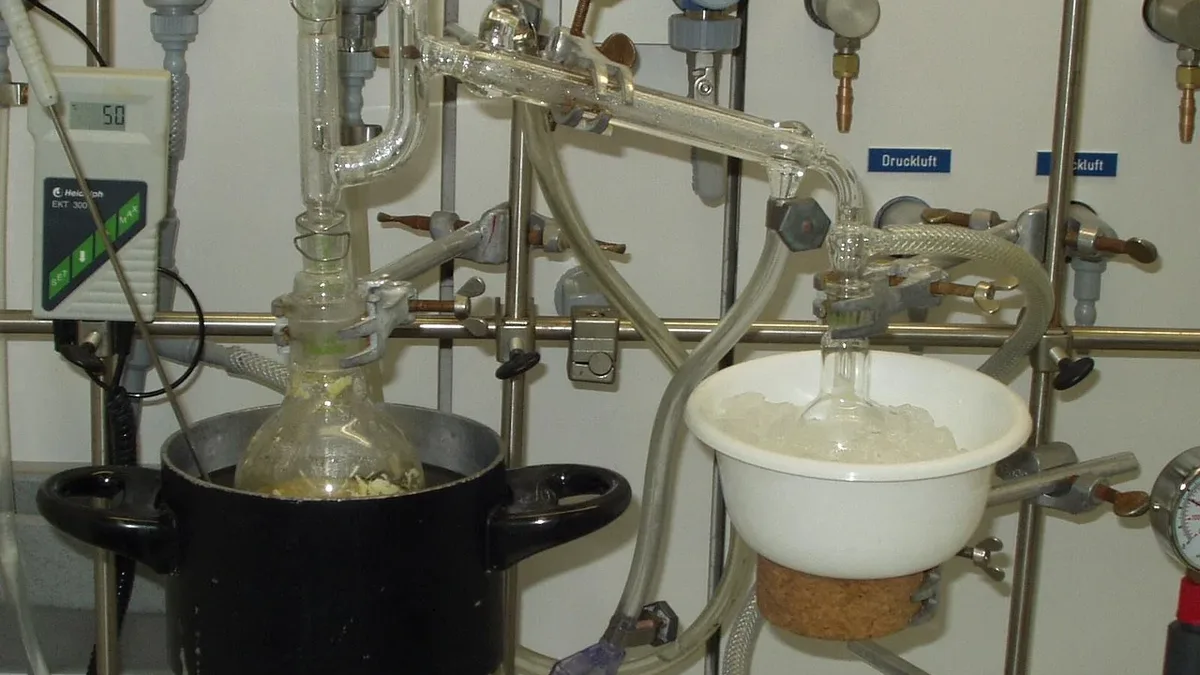
Mycofeast Acquires Daisy Lab to Scale Precision-Fermented Lactoferrin
UK fermentation firm Mycofeast has acquired New Zealand startup Daisy Lab, gaining its precision-fermentation technology for bovine lactoferrin to...

EFSA Seeks Expertise to Speed Cultivated Meat Approvals
The European Food Safety Authority is building in-house expertise on cultivated meat and precision fermentation to accelerate novel food safety...
Biotech Open Platform launches shared fermentation facility
The Biotech Open Platform (BIOP), a €20 million shared fermentation facility backed by Danone and Michelin, has opened in Clermont-Ferrand.