Pinnacle Food Group ferments human lactoferrin without methanol
Pinnacle Food Group has completed the first bench-scale fermentation of its recombinant human lactoferrin yeast strain using a methanol-free process, advancing a safer production method for the high-value breast milk protein.
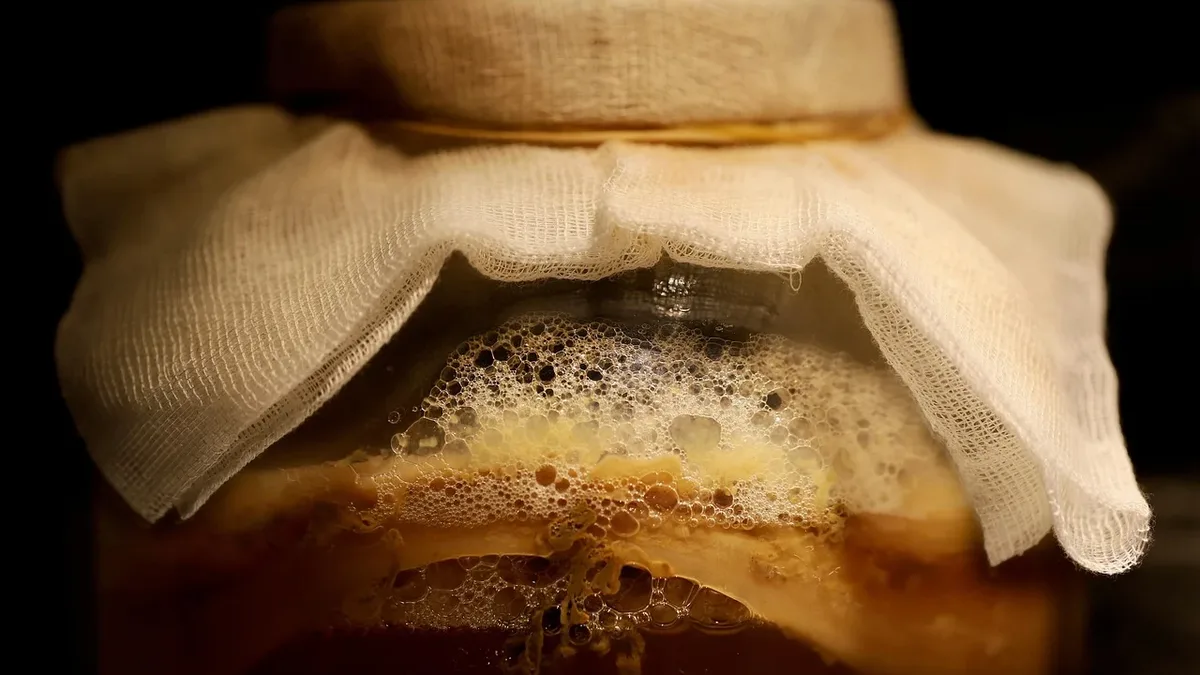
Pinnacle Food Group has successfully completed the first bench-scale fermentation of its recombinant human lactoferrin yeast strain. The work, conducted by its Hong Kong subsidiary Pinnacle Food Agtech HK in a five-litre tank, confirms expression of the high-value protein using a methanol-free precision fermentation process.
Laboratory analyses including high-performance liquid chromatography and sodium dodecyl sulfate-polyacrylamide gel electrophoresis confirmed the expression and purity of the recombinant human lactoferrin. This validates the strain’s functionality for nutritional applications. Jiulong You, Chief Executive Officer of Pinnacle Food Group Limited, said: "Completing our first bench-scale fermentation and confirming recombinant human lactoferrin expression is an important step for our biotech programme."
Scientific validation and strain performance
Human lactoferrin is a glycoprotein found in breast milk, prized for its iron-regulating abilities. It is gentler and more effectively absorbed than the bovine version commonly used. The protein's two iron-binding sites give it antiviral and antibacterial properties, supporting immunity, gut health, and metabolism. It is used to treat low iron levels during pregnancy and can lower the risk of respiratory tract infections.
Recombinant human lactoferrin is a target ingredient for infant formula, dietary supplements, women’s wellness products, and functional nutrition. Purified lactoferrin is hard to obtain through traditional means, leading to limited supply and high costs ranging from $600 to $2,000 per kilogram.
Advantages of the methanol-free precision fermentation approach
The company’s patented process uses a Pichia yeast strain developed under a research collaboration, but eliminates the need for methanol. Traditional precision fermentation often relies on methanol as an inducer, which is a highly flammable and toxic solvent. Methanol-based processes require massive capital expenditure for explosion-proof facilities and carry a risk of toxic residue.
The methanol-free approach mitigates fire hazards, reduces costs, and ensures zero toxic residue. This is critical for high-purity applications like infant nutrition. Precision fermentation itself involves inserting specific DNA into microbes to produce desired molecules, enabling larger volumes and lower costs compared to traditional purification from milk.
Strategic collaboration and development timeline
Pinnacle Food Group accesses its Pichia strain via a research and technology collaboration with BioBoost Synbio Consulting, a biotechnology consulting company based in Vancouver, Canada. The agreement, signed in January 2026, includes work on recombinant human lactoferrin, technical consulting, and evaluation of research directions.
The microbial strain was created six months prior to this bench-scale evaluation, which marked its first controlled assessment. The milestone builds on the company's earlier announcement of creating its first-generation recombinant human lactoferrin yeast strain. The results support further strain optimization, process development, and evaluation of potential scale-up.
Leadership and corporate context
Pinnacle Food Group Limited, listed on NASDAQ under the ticker PFAI, operates at the intersection of smart farming and bioengineering. The company is pursuing this innovation amid growing activity in the alternative lactoferrin space. Competitor Helaina already has its human lactoferrin in around a dozen products and is working with Nestlé to develop baby formula. Another firm, All G, has launched precision-fermented bovine lactoferrin in the US and expects to commercialise a recombinant human version imminently. All G is also cleared to use its cow-free lactoferrin for personal care sales in China and is targeting separate approval for infant formula.
The company acknowledges its work is at an early stage, with risks including technical challenges, reliance on third-party partners, intellectual property uncertainties, and the need for regulatory approvals. Jiulong You added: "This result gives our team a solid foundation for the next phase of work as we evaluate the path toward scale-up." The result provides a foundation for evaluating the path toward scale-up and further strain optimization.