AAK scales dry fractionation tech at Malaysia plant
AAK is deploying its patented, solvent-free dry fractionation technology at commercial scale for the first time at its new NURA joint venture plant.
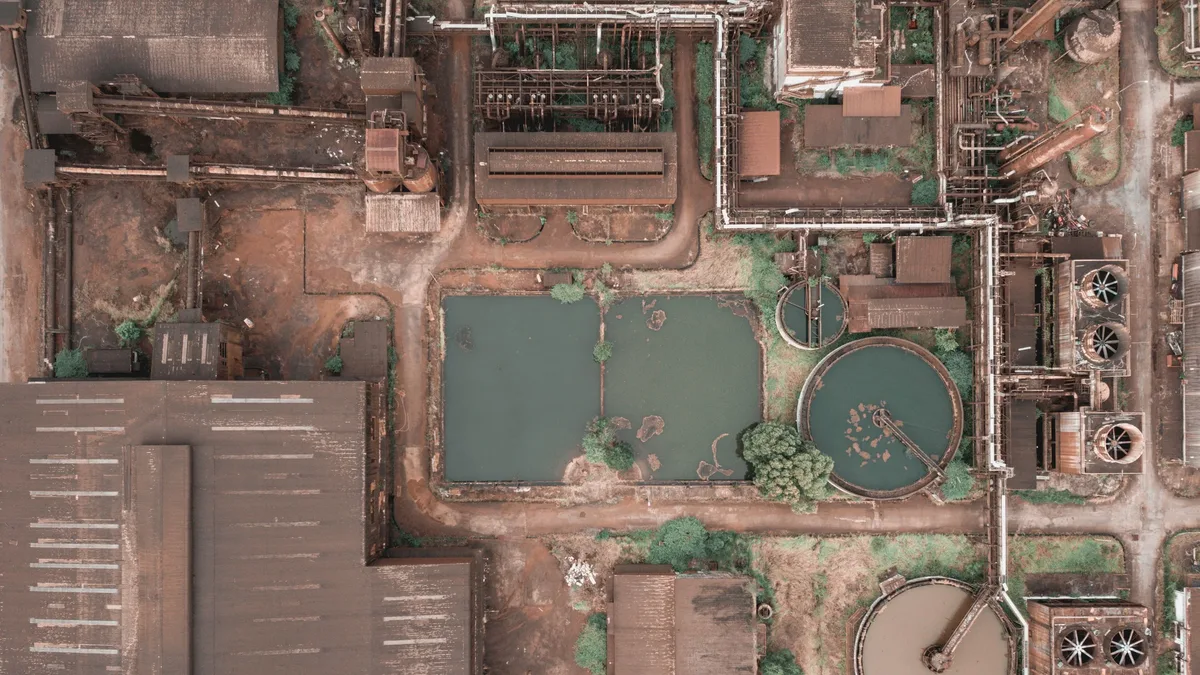
AAK's patented dry-fractionation technology will be used in commercial production for the first time at the NURA Speciality Oils & Fats facility in Malaysia. The Swedish producer of plant-based oils and specialty fats is expanding its cocoa butter equivalent (CBE) capabilities amid severe supply pressures on conventional cocoa.
The process separates oil into fractions through controlled cooling and filtration without using solvents. According to AAK, the technology reduces initial capital investment, operating costs, and CO₂e emissions while meeting the quality standards required for specialty fats. At the NURA plant, it will be used to make palm-mid fractions (PMFs), a base ingredient for CBEs.
Jeppe Lindegaard Hjorth, head of process development at AAK, said: "Taking this technology from a research project to commercial production is an important milestone for AAK." The technology complements AAK's existing fractionation capabilities. Alexander Perlaky, AAK’s strategy and projects director for Europe, noted the fractionation process could be applied beyond confectionery.
Joint venture advances sustainable feedstock access
The NURA facility is a joint venture between AAK and Malaysian manufacturer KLK, located in Pasir Gudang, Johor. Construction began in August, with the plant expected to begin ramping up operations in 2028 and reach full production in 2029. AAK entered the joint venture with KLK a year ago, committing approximately SEK 300 million over three years to the project.
The plant is designed to bolster AAK’s upstream access to sustainable, high-purity feedstock. It will broaden AAK’s supply base and boost resilience, supporting the long-term profitable growth of its chocolate and confectionery fats business. AAK supplies CBEs to manufacturers through its Illexao range, which can partly or fully substitute cocoa butter.
Addressing cocoa supply challenges
Global cocoa stocks have fallen to a decade low, with prices hitting an all-time high in 2024. Extreme weather events are wiping out harvests, and a third of the world’s cocoa trees are being pushed towards extinction. The cocoa industry is also a major driver of deforestation, responsible for 94% of deforestation in Ghana and 80% in Ivory Coast, the two largest cocoa producers.
In response, AAK is pursuing a multi-pronged strategy. Beyond the NURA plant, the company has invested in alternative fat startups. In July, AAK signed a two-year development agreement with and took an equity stake in carbon-to-fat startup Savor, which produces fats without agricultural feedstocks. AAK also already makes plant-based fats that can supplement or replace cocoa butter, offering longer shelf life and improved functional properties like melting and texture.
AAK's Illexao CBE range offers customized melting and crystallization properties, increases bloom stability, boosts flavor release in dark chocolate, and can replace milk fat in super compounds. Separately, in September, AAK secured £2 million from Humber Freeport toward expanding its plant-based oils refinery in Hull, UK. The NURA plant is expected to begin ramping up operations in 2028 and reach full production in 2029, supporting AAK’s long-term growth in chocolate and confectionery fats.