Stanford's Single-Nozzle Bioprinting Aims for Thick
Stanford researchers are developing a bioprinting method using one nozzle to print muscle, fat and nutrient channels simultaneously, targeting a key
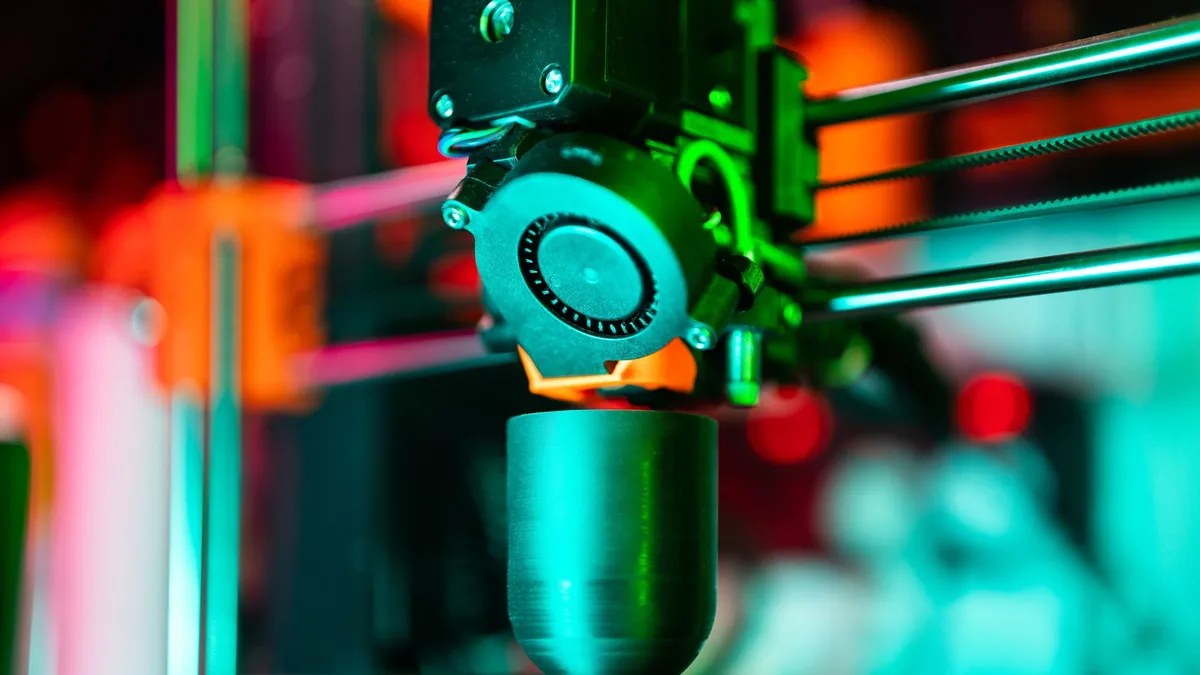
A Stanford University research group is developing a new bioprinting method to make thick cultivated steaks. The technique pushes muscle bio-ink, fat bio-ink and a sacrificial material through a single large nozzle at the same time.
This process leaves behind open channels within the printed tissue. These channels are designed to deliver nutrients to cells deep inside the structure as it matures, addressing a major technical problem in cellular agriculture: keeping cells alive at the center of a thick cut of meat.
Subvoxel Control for Complex Tissues
The method relies on a concept called subvoxel control, pioneered by assistant professor Natalie Larson. It allows the printer to pattern multiple materials inside a single extruded filament, rather than depositing them in separate layers. Larson developed the rotational multimaterial printing platform behind this technique while at Harvard, publishing the work in Nature in 2023.
Applied to cultivated meat, the single-nozzle approach aims to produce cuts with the size, shape and internal structure of whole muscle. This is a step beyond the ground meat formats that dominate current prototypes. Structuring thick tissue has been a persistent constraint for the entire sector.
Larson outlined the broader challenges. "There are several challenges in cultivated meat production, including a lack of sustainable material sources, a lack of scalability, and poor consumer appeal," she said in an interview with Stanford Report.
A Four-Lab Collaborative Effort
The cultivated meat project is a collaborative effort split across four Stanford laboratories. Each group has a distinct role in the development process.
PhD student Sofia Madrigal Gamboa works across all four labs as the project integrator. Ellen Kuhl's team previously developed an AI-driven texture testing model for plant-based meat, published in 2024.
Larson framed the environmental motivation for the work by citing a common FAO estimate. She noted that conventional meat production accounts for 14.5% of global greenhouse gas emissions, alongside significant land, water and feed requirements.
Automating the Printing Process
A parallel strand of the lab's work focuses on automation to enable future scale-up. This effort, run with Professor Eric Darve and PhD student Elise Yang, involves 4D imaging and computer vision for multimaterial printing.
The goal is to reduce the waste associated with long calibration processes and failed print runs. Larson stated this cost consideration is critical for any process that must eventually operate at food-industry volumes.
"With our advanced printers and automation techniques, we aim to make it possible to create functional and living materials that we can currently only dream of," she said. The project is funded through the Stanford Sustainability Accelerator, part of the university's Doerr School of Sustainability.