Baby food pouches often exceed breastmilk
University of Glasgow research finds 61% of baby food pouches contain more sugar than breastmilk and are often low in protein.
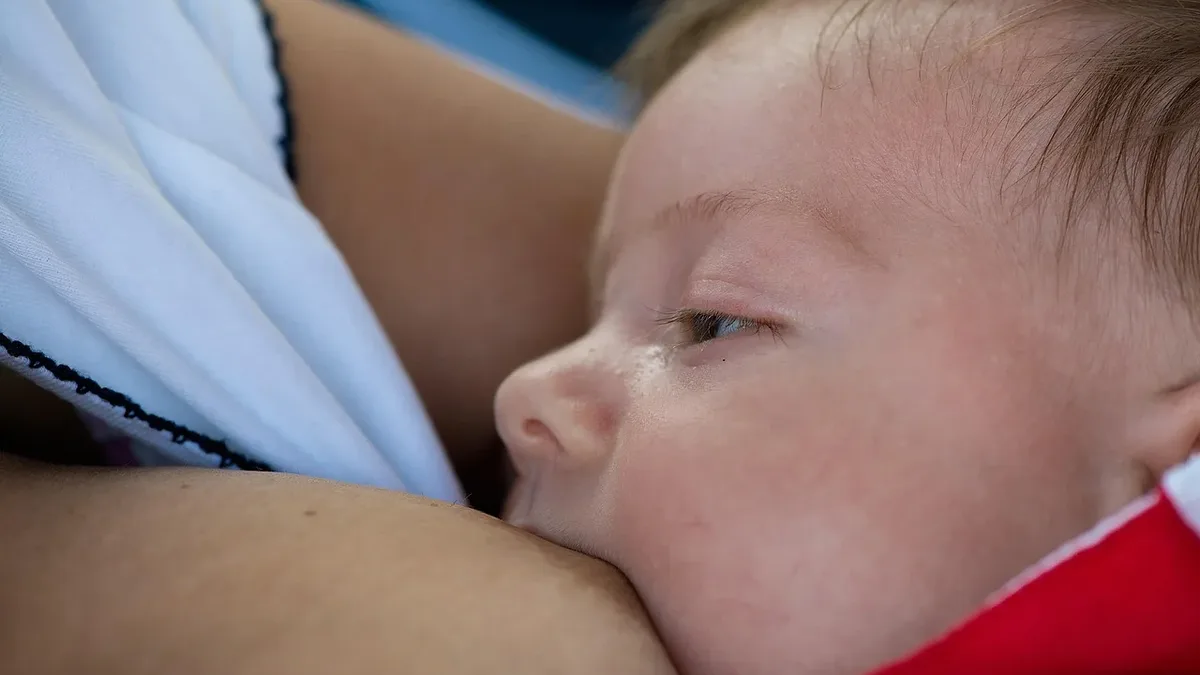
New research from the University of Glasgow reveals a persistent high sugar content in commercial baby foods. The study found that 61% of baby food products sold in spouted pouches contained more sugar than breastmilk and were frequently low in protein.
Only 14 of the pouch products studied, representing 8.5%, were deemed completely suitable for complementary feeding alongside breastmilk or formula. Half of the foods delivered in pouches were liquid in texture.
Many pouches resemble sweet drinks
The researchers stated that many wet commercial baby foods delivered in pouches have the texture and composition of sweet drinks. This presents a problem because the World Health Organization advises against using sugar to supply 'empty energy' for infants.
Infant drinks other than breastmilk, formula, or water from six months are discouraged, particularly fruit juices high in free sugars. The researchers argue that commercial baby foods equivalent in texture and content to fruit smoothies should not be given before 12 months, with intake limited thereafter.
Dr. Ada Garcia, lead author of the study, says regulators should consider changes to product categorisation and labelling. This would clarify which products are foods and which are drinks, helping parents make informed choices aligned with public health advice.
Nutritional classification changes when fruit is processed. Bahee Van De Bor, a consultant paediatric dietitian and spokesperson for the British Dietetic Association, explains that once fruit is puréed or processed so its cellular structure breaks down, the sugars are classified as free sugars. She notes that the claim 'the sugar comes from fruit' can sound reassuring to parents, but the processing alters the nutritional classification.
Voluntary guidelines frequently breached
The UK government issued voluntary guidelines for commercial baby food and drink in August 2025. These cover nutrition, labelling, and marketing for children up to 36 months, including restrictions on inappropriate on-pack marketing. Businesses were given 18 months from publication to implement the salt and sugar targets and the labelling actions.
A recent UK analysis of 224 products from the nine biggest baby and toddler food brands found sugar content breaches by products from eight of the nine brands. In several products, sugar accounted for over 80% of total energy content. 58% of products breached at least one of the nine voluntary guidelines.
Van de Bor expressed disappointment at the slow progress, noting manufacturers have until the end of February 2027 to implement the guidance. She points to understandable confusion among parents, as packaging with pictures of fruit and claims like 'no added sugar' can be misinterpreted as equivalent to giving a child a piece of intact fruit.
For most children, Van de Bor would prefer offering a piece of soft fruit in an age-appropriate form. This provides intact food structure and allows the child to experience holding, biting, chewing, and recognising real food.
The analysis by Alba Health found products like raisins contained 66g of sugar per 100g, with 86.6% of calories from sugars. Van de Bor clarifies that sugars in intact dried fruit are not classified as free sugars, but dried fruit is very concentrated and sticky. NHS and government guidance recommends giving it with meals rather than as a snack.
Alba Health has written an open letter to the UK Secretary of State for Health and Social Care, signed by scientists and nutritionists. It demands a ban on health claims like 'wholesome' on ultra-processed foods for young children and calls for the guidelines to be made mandatory.
A widespread international problem
The high sugar issue in baby food is not confined to the UK. A 2025 study found almost 80% of foods for infants and young children in Spain did not meet the WHO's Nutrient Promotion Profile Model criteria for nutrient quality. Many were high in sugar, low in protein, and too watery. About 60% of products had excessive sugar content, with 98% of fruit and vegetable purees qualifying for a front-of-pack sugar warning.
The WHO developed the NPPM in 2022 due to growing international concern about the suitability of some commercial food products for infants and young children sold across Europe.
A 2024 study of US baby foods found 60% of 651 commercially produced infant and toddler foods failed to meet the NPPM's nutritional requirements. None met the promotional requirements. Compliance with WHO standards for total sugar was particularly low. Almost 100% of products had at least one on-pack claim prohibited under the NPPM, with some displaying up to 11 prohibited claims.
In 2023, a UNICEF study showed nearly half of products marketed to young children in Southeast Asia included added sugars and sweeteners. This rose to 72% among snacks and finger foods. Nearly 90% of labels on the studied products included potentially misleading or deceptive claims about their composition.
Health implications for young children
Van de Bor identifies dental health as the biggest immediate concern. Babies and toddlers develop eating habits as their teeth erupt, so frequent exposure to foods high in free sugars should be minimised. For children over one, UK recommendations state free sugars should provide no more than 5% of dietary energy. Government advice also recommends reducing the amount and frequency of sugary foods and drinks, specifically advising against offering sugary foods between meals.
Regular exposure to sweet foods may lay poor foundations for future health or encourage a preference for sweeter tastes. Van de Bor believes the discussion should extend beyond grams of sugar, as infancy and toddlerhood are periods when children learn what food tastes like and establish long-term habits.