Embryonic Stem Cells Grow Self-Organising Cultivated Meat
Scientists at EMBL Barcelona have grown tiny, complex bovine tissues from embryonic stem cells, a method that could one day simplify production of
Researchers propose using embryonic stem cells to grow self-organising tissues as a future method for producing cultivated meat. A study from the European Molecular Biology Laboratory (EMBL) Barcelona suggests this approach could better replicate the complex texture of a steak compared to current techniques.
Current cultivated meat production often involves growing muscle, fat, and other cell types separately before assembling them. Scientists say this adds manufacturing steps and struggles to recreate the detailed structure of real animal muscle. "One of the biggest challenges in cultivated meat is reproducing the complexity of real tissue," said Marina Sanaki-Matsumiya, a former postdoctoral fellow at EMBL Barcelona.
How Embryonic Cells Differ from Adult Cells
Most cultivated beef projects start with adult stem cells from cows. These cells have a limited ability to multiply and are already programmed to become specific tissues. Embryonic stem cells, however, are pluripotent. They can develop into many different cell types and proliferate indefinitely, offering a more stable foundation.
The EMBL Barcelona team guided bovine embryonic stem cells to generate three key components of muscle tissue simultaneously: skeletal muscle cells, neurons, and endothelial cells, which form blood vessels. Remarkably, the cells organised themselves into three-dimensional tissue-like structures without complex engineering.
The Promise of Self-Organisation
Within 15 days, the cells formed tiny spherical aggregates measuring 0.6 mm in diameter. Each aggregate contained muscle fibres alongside networks of endothelial cells and spinal neurons that interacted with the muscle. This self-organisation mimics real tissue development.
The formation of primitive blood vessel networks is a critical advance. In living tissue, blood vessels deliver oxygen and nutrients, enabling growth. This capability is essential for scaling up from tiny aggregates to a steak-sized product.
Instead of growing each cell type separately and assembling them afterwards, we showed that embryonic stem cells can develop together and self-organise, mimicking real tissue development, explained Sanaki-Matsumiya.
Scaling and Cost Hurdles Remain
The tissues produced in the study are minuscule. Creating a steak would require vastly larger tissues with mature, functional blood vessel networks. "To produce something resembling a steak, we will need much larger tissues with more mature blood vessel networks that can support continued growth," said Miki Ebisuya, former leader of the research group.
A major barrier is cost. The cell culture media and reagents needed to grow and direct embryonic stem cells are expensive. The study authors state that substantial cost reductions are essential for any potential commercialisation. This could come from mass-producing materials or developing plant-based alternatives for the growth process.
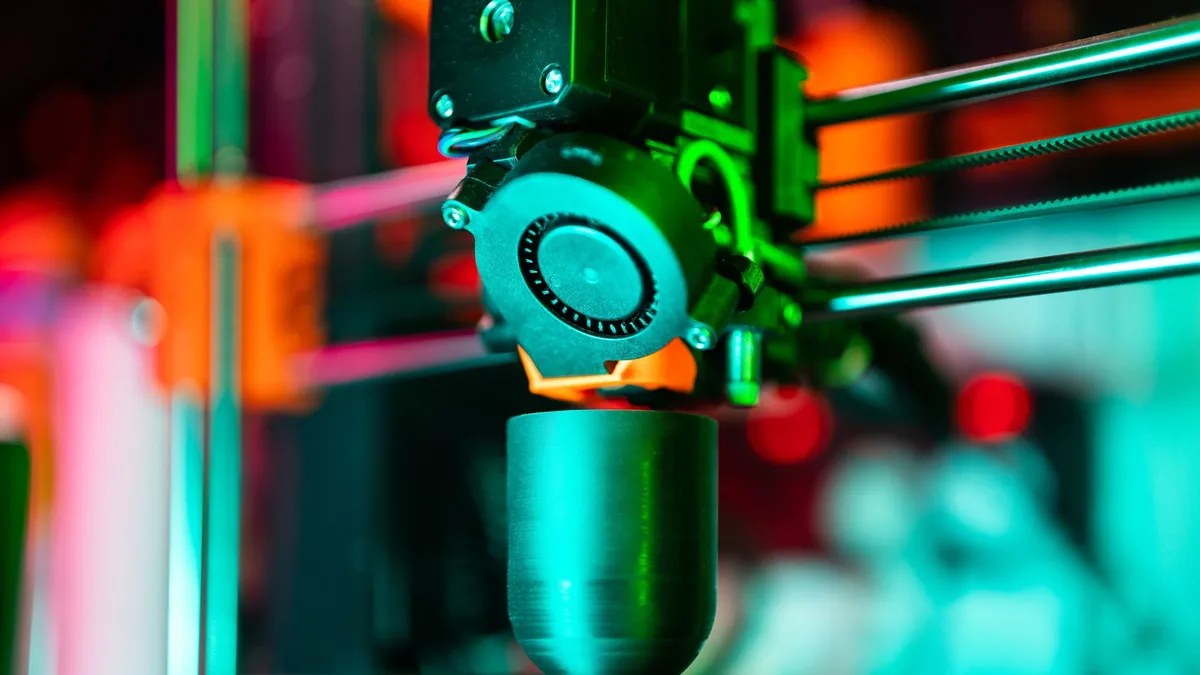
The researchers also note their method could be combined with existing engineering approaches. For instance, the co-induced cells could be mixed into a bioink for 3D bioprinting. The self-formed tissue aggregates could serve as building blocks for more complex assemblies. The scientists believe diverse types of cultivated beef will offer novel food options in the future.
Beyond food, the team highlights the system's value as a research model. Because it contains multiple interacting cell types, it provides a new way to study muscle development and tissue engineering.