Hong Kong Future Lab Built From 106,080 Recycled Bottles
Circular design studio ReEdit has opened a 3,000 sq ft Future Lab in Hong Kong constructed from local waste, including over 100,000 recycled plastic
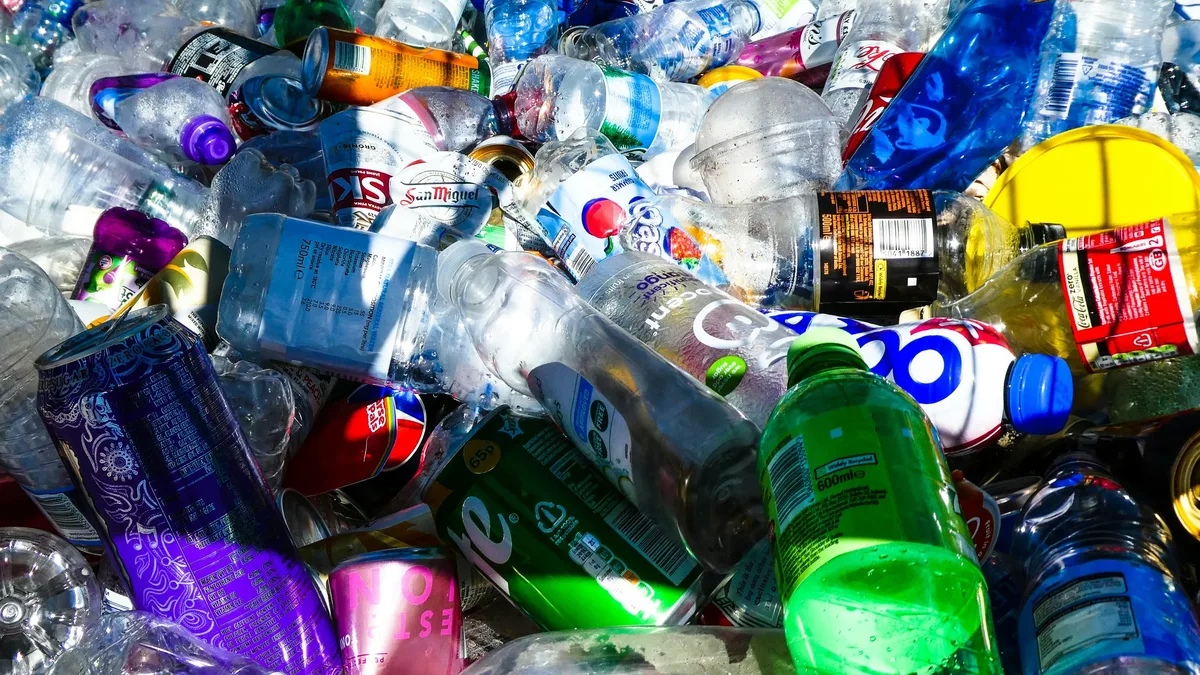
ReEdit, a circular design studio, has opened a 3,000-square-foot Future Lab in Hong Kong's Wan Chai district built using 106,080 recycled plastic bottles. The multipurpose space, which combines a café, retail area, workshop, and event venue, was constructed entirely from materials discarded in the city.
Jacqueline Chak, co-founder of Editecture and ReEdit, told Green Queen the ambition is to run a public material research lab. "Our ambition is to run a material research lab in public and make it a habit rather than a spectacle," she said. The goal is to demonstrate that waste is merely an uncharacterized raw material and to integrate circular economy principles into daily life.
From Bottles to Building Blocks
The lab's primary installation used 1,518kg of locally sourced recycled PET (rPET), with the full fitout saving approximately 246kg of CO2e compared to a conventional build. ReEdit partners with local waste handlers who collect, sort, clean, and characterize post-consumer plastic to ensure a pure, single-polymer stream. This purity is critical because mixed polymers do not bond effectively, resulting in brittle materials.
The processed plastic is shredded, then formed through various methods matched to its properties. Free-flowing material is used for injection moulding, while stiffer stock is pressed or printed. ReEdit's material library focuses on predictable, durable plastics like PET, HDPE, and PP.
The café counter alone incorporates 118kg of post-consumer rPET. The studio qualifies every batch of material, as even the same type of plastic from different sources can behave differently.
Upcycling Coffee Grounds On-Site
Behind the café, residency partner Nodi Coffee serves produce-driven smoothies featuring greens from a vertical farm developed with Common Farm. All spent coffee grounds from the café are collected and upcycled in the adjacent workshop.
The grounds are dried to stop microbial activity and milled to a consistent size to create a stable bio-aggregate. This material is then blended with a binder and cast or extruded into objects like planters, pens, and bowls. Chak explained the process lets the material's natural grain, color, and faint aroma define the finished piece. The grounds are also planned for use later as fertilizer for the vertical farm.
Regarding food waste, the lab's approach starts with design. The vertical farm shortens supply chains, reducing spoilage and packaging waste from the outset. Any remaining organic waste is collected for composting to create fertilizer.
Fostering Community and Circular Habits
The Future Lab is designed for community engagement, hosting events, workshops, and brand collaborations. Visitors can use in-house shredders and 3D printers to fabricate objects from recycled materials to take home. This hands-on experience aims to make the circular economy tangible.
The project launches against a stark local waste backdrop. In 2023, about 2,120 tonnes of plastic entered Hong Kong's landfills, constituting nearly 20% of municipal solid waste. Although local plastic recycling increased from about 120,000 tonnes in 2022 to over 126,500 tonnes in 2023, it still represented just 6.5% of total waste.
Chak hopes the lab inspires a shift in business posture, moving sustainability from a hidden cost to a front-facing source of design and story. She argues that treated discarded materials offer customers something more meaningful, not a compromise. The future, she believes, is built through partnership, requiring a shared standard across makers, businesses, and consumers. The space is intended as an open-source resource to encourage more businesses to view their waste differently and involve people in the process.