Indian State Hub Creates Six Pulse Protein Bars
The Bangalore Bioinnovation Centre has developed six plant-based protein bars using locally grown pulses, aiming to add value for farmers and meet rising
The Bangalore Bioinnovation Centre has created six ready-to-eat plant-based protein bars using pulses from the Kalaburagi region of Karnataka. The state-backed life sciences incubator developed the bars in collaboration with Karnataka’s agriculture department.
BBC managing director Mohamed Adil AA said the project aimed to look beyond pulses as a raw commodity. The initiative seeks to demonstrate how local crops can be turned into higher-value, shelf-stable food products within the region.
Bar Variants and Nutritional Profile
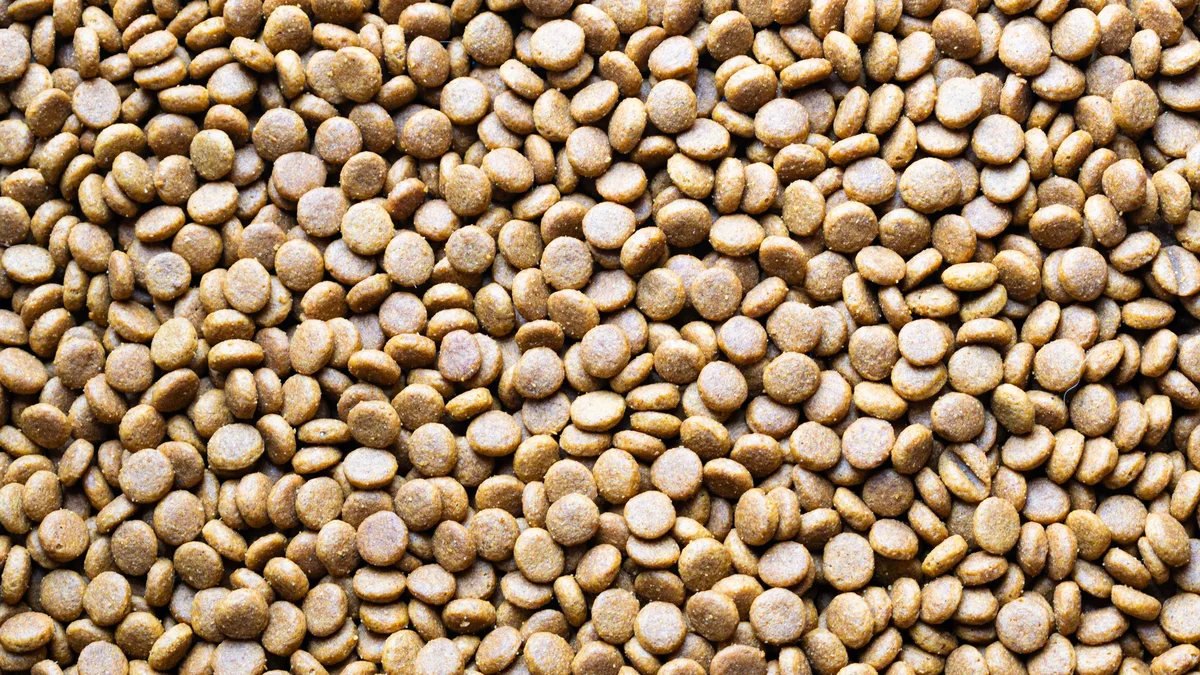
The energy bar range includes four single-pulse variants, a multi-pulse version, and a higher-protein option. The single-pulse bars are based on toor dal (pigeon peas), black gram, green gram, and Bengal gram.
These bars use pulse crisps as the main ingredient, combined with peanuts, jaggery, oats, and pumpkin seeds. They contain no artificial colours, flavours, or chemical preservatives.
| Bar Type | Protein per 30g bar | Fibre per 30g bar |
|---|---|---|
| Standard Single-Pulse | 4g | 1.8-2g |
| Higher-Protein Option | 4.85g | Not specified |
A Strategy for Regional Value Addition
The project is part of the Kalyana Karnataka Bio-Economy Mission. This mission aims to build a region-specific bioeconomy focused on agricultural strengths like toor dal, red bananas, and sugarcane.
Karnataka’s IT and biotech minister, Priyank Kharge, called the bars an example of how Bangalore’s innovation ecosystem can work with the Kalyana Karnataka region. He stated that the next opportunity for the state is to create more value from what it grows.
“Innovation is not only about developing new products; it is about understanding what we produce, recognising emerging market and consumer demand, and finding new ways to present our agricultural products so that they can reach more consumers and increase consumption,” Kharge said.
The larger objective is to create a pathway for local farmer producer organisations (FPOs), self-help groups (SHGs), and micro, small and medium enterprises (MSMEs) to participate in processing. Mohamed Adil AA stated the goal is to connect science and product development with a real economic opportunity for Kalyana Karnataka.
Responding to Consumer and Market Shifts
The development responds to a growing consumer demand for protein in India. Polling shows 37% of Indians want to add more plant proteins to their diets. More Indians want to increase protein intake from plant-based sources than from animal products.
This shift is being driven by Gen Z, which controls 35% of consumption spending. In a 2026 Ipsos survey, 82% of this cohort said it’s important to consume protein, and 91% are open to adopting plant-based foods, mainly to increase protein intake.
The market is also reacting to the burgeoning GLP-1 weight-loss drug sector in India, which has grown from $16 million in 2021 to nearly $100 million. This environment is attracting investor interest to plant-based protein companies.
In July, Arboreal Bioinnovations raised $24 million to scale its functional ingredients. Last August, Inaara NeoFoods secured ₹21 crore ($2.2 million) for its AI-powered protein platform. Earlier this year, Good Monk closed a ₹33 crore ($3.6 million) funding round for its plant-based proteins.