MATR Foods opens industrial fermentation plant in West Jutland
MATR Foods has opened a 4,000-tonne industrial fermentation facility in West Jutland, Denmark, scaling up production of its plant-based meat alternatives to meet European demand.
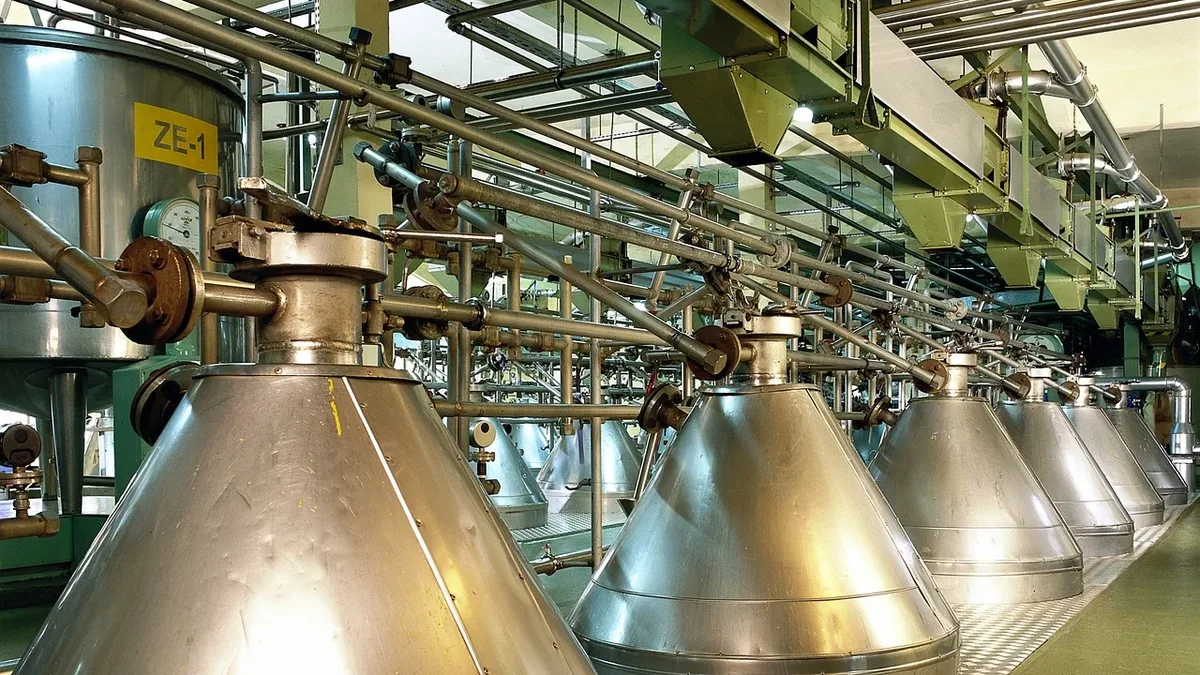
MATR Foods has opened a purpose-built industrial facility in Skovlund, West Jutland. The plant can produce up to 4,000 tonnes of fermented meat alternatives annually, a dramatic increase from its previous 30-tonne pilot operation in a former Copenhagen fish factory. Founded in 2021, the company will now supply supermarkets, canteens, and restaurants in Denmark, Germany, and Switzerland.
CEO and co-founder Randi Wahlsten stated that canteens and supermarkets had been asking for their products, but the company had to turn them away due to insufficient capacity. The hardest word for the business, she said, had been 'no'. The new factory is built to produce at scale from day one, directly answering that unmet demand. Danish Minister for Business and Competitiveness Martin Lidegaard and Varde Mayor Sarah Andersen attended the ribbon-cutting on November 20.
Funding and backing
The expansion was enabled by €40 million in investment secured in October 2025. Novo Holdings and the Export and Investment Fund of Denmark (EIFO) co-led a €20 million Series A equity round. The European Investment Bank provided an additional €20 million in venture debt. This capital has funded the new factory and its workforce of 60 employees.
Technology and process
MATR describes the site as the world's first factory capable of fermenting vegetables with fungi on an industrial scale. The company uses a solid-state fermentation process, inoculating Nordic-grown organic potatoes, beetroot, split peas, lupins, and oats with a natural fungal culture. The fungi act as a binder and flavour enhancer, not the primary protein.
Hyphae break down nutrients during fermentation, releasing amino acids and starches that create umami, enhance browning, and produce a juicy texture. The process requires about one tenth of the crops used in conventional meat production. No additives are used, with beet juice, salt, thyme, and garlic powder added for seasoning. The resulting products have a nutritional profile and carbon footprint significantly lower than beef.
| Nutrient / Metric | Per 100g |
|---|---|
| Protein | 8.5g |
| Fat | 2.5g |
| Saturated Fat | 0.5g |
| Dietary Fibre | 10g |
| Carbon Footprint | 1.6kg CO2e per kg |
Market availability and demand
Overwhelming demand from foodservice and retail partners has long outstripped supply. MATR is aiming to appeal to European consumers who are reconsidering ultra-processed foods. The company's current range includes a burger and a mince. With the new capacity, products will now become available in Switzerland for the first time.
In foodservice, MATR products are already found at Gasoline Grill, Rørt, and Gao Dumpling in Denmark, and at all Sticks'n'Sushi locations in Denmark, Germany, and the UK. For retail, they are stocked at Kvickly and SuperBrugsen in Denmark, Rewe and Edeka in Germany, and Vegilife in Switzerland. Wahlsten linked the project to Denmark's strengths, stating the country is a world leader in both gastronomy and biosolutions. She argued that for people to eat more greens, products must taste good enough to be chosen on an ordinary Tuesday. MATR products are now arriving on supermarket shelves and restaurant menus in Switzerland.