EdiMembre scales high-protein pasta technology with investor backing
EdiMembre secured investment to scale its Protein Micro-Architecting technology, enabling clean-label, high-protein pasta and snacks that deliver over 48g of protein per serving while maintaining traditional taste and texture.
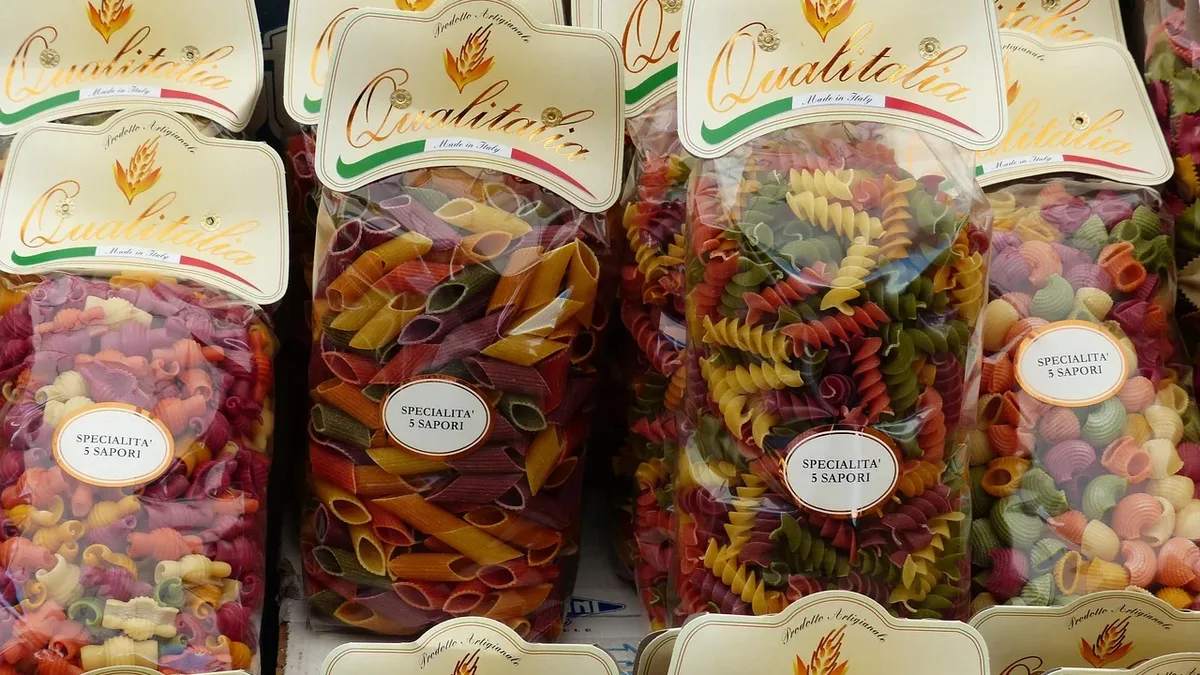
EdiMembre has secured funding to scale its high-protein pasta technology. The investment from Food & Health Angels will support a pilot manufacturing line capable of producing 100 tonnes of product annually.
The company's breakthrough enables pasta to achieve over 48g of protein per serving. It does this by using protein as the primary structural ingredient instead of starch. This addresses a key manufacturing hurdle. Raising protein above 50% of calories with conventional equipment often disrupts the starch matrix, leading to grainy, brittle, or rubbery products with off-flavors. EdiMembre's process avoids this.
Tim Olsen, co-founder and CEO of EdiMembre, explained that traditional attempts to make high-protein comfort foods involve forcing low-cost protein powders into a carbohydrate dough. This compromises either macronutrients or mouthfeel. In contrast, with Protein Micro-Architecting, the protein itself is the structure. The technology replaces carbohydrate and fat mass with pore volume to maintain taste and texture.
The company has worked directly with global food companies on pasta, noodles, soups, chips, and fruit snacks. Olsen singled out fruit snacks as a category with room for added protein. The investment will help expand these product development contracts.
Scientific Breakthrough and Expertise
The core technology was developed by co-founder and Chief Scientific Officer Ryan Sylvia, who has more than 16 years of research and development experience. Sylvia has supported more than 150 product launches. The company holds six patents for its process.
Protein Micro-Architecting starts with clean-label legume protein isolates from sources like mung beans, soybeans, or red lentils. A wet extrusion step controls the protein's physical structure, creating a porous material that can be shaped into various forms. Brands can also incorporate fiber and other functional ingredients. The process can produce foods that derive more than 80% of their calories from protein.
EdiMembre spun out of MilliporeSigma, the life sciences business of Merck KGaA, drawing on five years and $5 million in prior research and development.
Investor Support for Manufacturing Scale-Up
The undisclosed investment comes from Food & Health Angels, a California-based angel investor network founded in 2024. The network, which launched in March 2026, brings together former Fortune 500 executives, entrepreneurs, and scientific specialists.
The funding is designated for building a pilot-scale manufacturing line. The November 18 announcement specified a planned capacity of 100 tons per year, though it did not give a location or production start date. As part of the deal, EdiMembre will gain access to the investor network's industry contacts and operating expertise.
Consumer Trends Driving Demand
Market forces are aligning for high-protein, clean-label foods. Protein is prioritized by nearly three in five US consumers. Users of GLP-1 medications, which increase protein needs, consume 40% more protein. Food & Health Angels pointed to the growing use of these drugs as a source of interest in foods that deliver more protein in smaller portions.
Simultaneously, over seven in 10 Americans try to avoid ultra-processed foods. A significant 80% prefer familiar ingredients over synthetic additives. This creates demand for the clean-label legume protein isolates EdiMembre uses.
Annette Shafer, founder of Crisp Kitchen & Juice and an investor at Food & Health Angels, stated that for manufacturers, this technology opens the door to making higher-protein foods part of more people’s everyday diets. EdiMembre plans to expand its intellectual property portfolio alongside its product development contracts with global food brands.