Plantible Foods Scales Rubi Protein Production for 2027
Plantible Foods secured $35 million in USDA-backed funding to expand its Texas facility, aiming to produce 1,000 tonnes of its lemna-derived Rubi Protein annually by 2027 to meet rising demand for sustainable, high-quality protein.
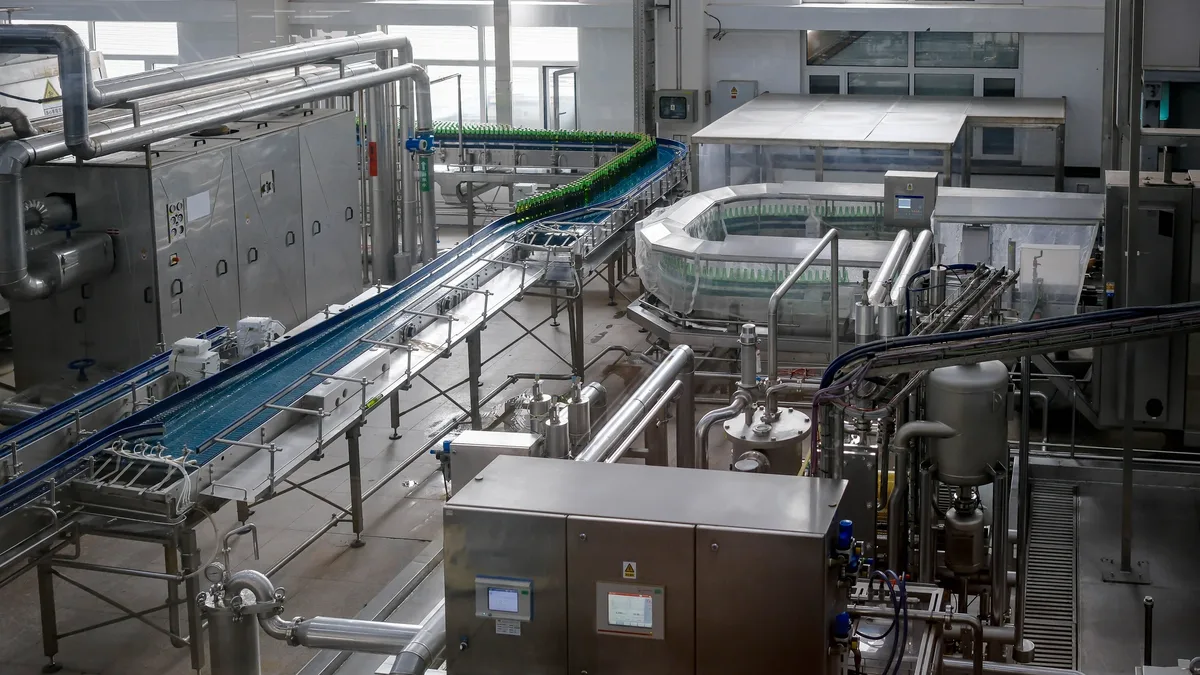
Plantible Foods is scaling its Rubi Protein production to meet 2027 demand. The US startup secured $35 million in USDA-backed loan and equity funding to expand manufacturing capacity to 1,000 tonnes annually at its Texas facility.
The company's fully operational facility in Eldorado, Texas, will add 50 new greenhouses using this funding. The expansion aims to service existing customers and attract new partners. Tony Martens, co-founder and CEO of Plantible Foods, identified scale-up as the primary challenge for 2027. "We [already] have the scale to service multiple customers with our additives," Martens said.
Rubi Protein Meets Nutritional and Functional Needs
Rubi Protein is derived from lemna, a fast-growing aquatic plant. The ingredient delivers complete nutrition with a protein content of approximately 82% by weight. This surpasses many common protein sources.
| Protein Source | Protein by Weight |
|---|---|
| Rubi Protein | 82% |
| Soy | 46% |
| Pea | 28% |
| Beef | 27% |
It achieves a Protein Digestibility Corrected Amino Acid Score (PDCAAS) of 1.0, the maximum value, and its Digestible Indispensable Amino Acid Score (DIAAS) is comparable to animal proteins. The ingredient contains all nine essential amino acids, iron, and vitamin B12. It is also free from dairy and other major food allergens.
Functionally, Rubi Protein has a neutral taste, light color, and high solubility. This makes it suitable for protein powders, beverages, bars, and fortified foods. A related product, Rubi Whisk, serves as an egg replacer, providing structural integrity and moisture retention for egg- and gluten-free baked goods. Plantible started selling Rubi Protein in the nutrition market, having previously focused on functional roles like binding in plant-based meats.
Consumer Education Drives 2027 Adoption
Despite its nutritional profile, Rubi Protein is new to most food formulators. Targeted consumer education is seen as crucial for achieving market penetration by 2027. The recent launch with Chicago-area wellness brand Mujo represents the first time Rubi Protein reaches consumers directly as a nutritional ingredient.
Mujo is using it in a vanilla bean protein powder, now open for pre-order. The powder combines Rubi Protein with pea protein for 22 grams of complete protein per serving. Kinga Wilewska, founder and CEO of Mujo, stated, "Plantible’s Rubi Protein gave us the nutrition people expect from whey, without dairy, in a powder that tastes like vanilla ice cream."
Meanwhile, Rubi Whisk remains integral for commercial bakeries as a stable alternative amid volatile egg prices.
Sustainable Cultivation Underpins Growth
The lemna used for Rubi Protein is grown and harvested year-round at Plantible's vertically integrated Texas facility. Lemna plants grow in just two to three days, are among the fastest-growing plants, and require no arable land or pesticides. Their cultivation uses ten times less water than soybean farming.
This sustainable process also underpins another product, Lemna Leaf Greens. This complete green protein powder for beverages and supplements addresses issues like heavy metals and opaque supply chains associated with existing greens like spinach and spirulina. In a regulatory milestone, Plantible received an FDA 'No Questions' letter in February, the first issued for an isolated rubisco protein.
Plantible's Texas facility expansion aims for a capacity of 1,000 tonnes of Rubisco protein annually by 2027.