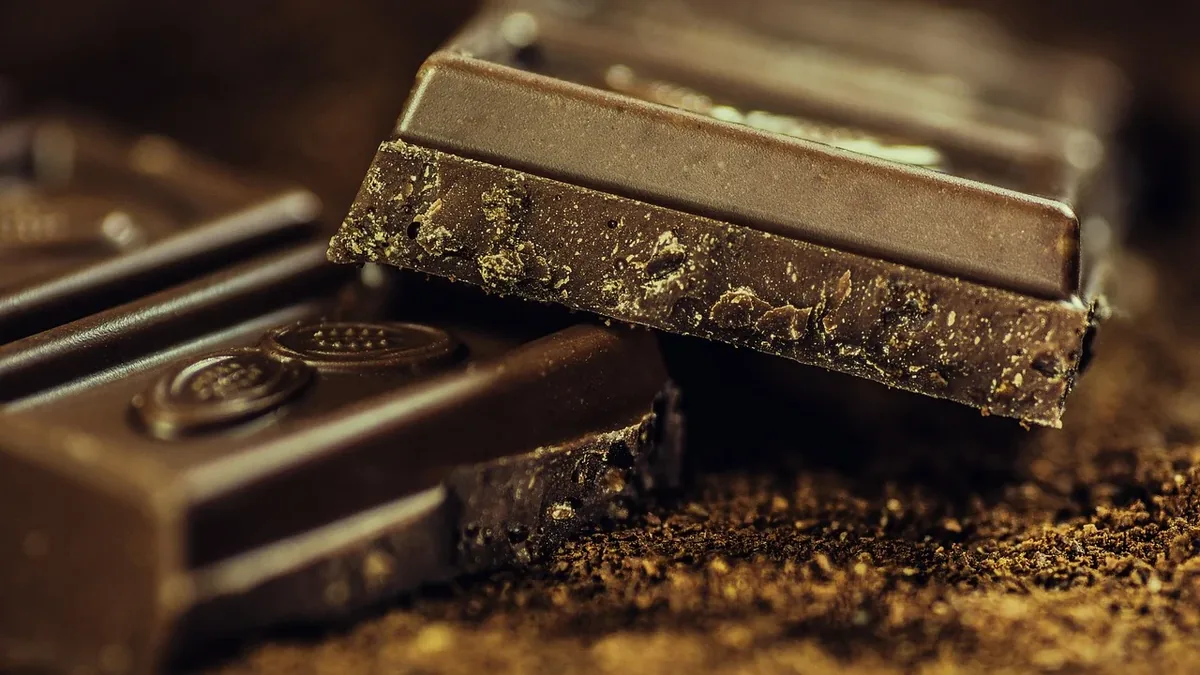
Cocoa And Chocolate
| Country of origin | South America |
|---|---|
| Original use | Ritual beverage and currency |
| Primary forms | Powder, liquor, butter, solid bars |
| Key flavor compounds | Theobromine, caffeine, polyphenols |
| Processing stages | Fermentation, drying, roasting, conching |
| Common cocoa percentages | 35% to 100% |
Origin and history
Cacao, the plant from which cocoa and chocolate are derived, is native to the deep tropical regions of Central and South America, specifically the Amazon basin. Its use was first documented by the Olmec civilization in what is now southern Mexico around 1500 BCE. The Maya and later the Aztecs cultivated cacao, creating a bitter, frothy drink used in rituals and as a luxury commodity. Cacao beans were introduced to Europe by Spanish explorers in the 16th century, where sugar was added to create a sweetened drinking chocolate. The shift from a beverage to a solid edible form began in the 19th century with the invention of cocoa powder and the chocolate bar. The Industrial Revolution enabled mass production, moving chocolate from an elite luxury to a mainstream confectionery consumed globally.
Ingredients
Cacao beans (fermented and dried seeds of the *Theobroma cacao* tree) Cocoa butter (the natural fat extracted from the cacao bean) Sugar Milk solids (for milk chocolate) Lecithin (an emulsifier, often soy-based) Vanilla or vanillin (for flavor) Salt (in minimal quantities, to enhance flavor)
How to make it
- Harvest ripe cacao pods and extract the beans and surrounding pulp. 2. Ferment the beans and pulp in boxes or heaps for several days to develop flavor precursors. 3. Dry the fermented beans thoroughly to prevent mold and prepare for storage and transport. 4. Roast the dried beans to further develop the characteristic chocolate flavor and aroma. 5. Crack the roasted beans and winnow them to separate the outer shells from the inner nibs. 6. Grind the cacao nibs into a liquid paste called chocolate liquor, which contains both cocoa solids and cocoa butter. 7. For most eating chocolate, mix the chocolate liquor with additional cocoa butter, sugar, milk powder (if making milk chocolate), and lecithin. 8. Refine the mixture by passing it through heavy rollers to create a very smooth texture. 9. Conch the refined chocolate by continuously agitating and aerating it in a heated tank for hours or days to mellow flavors and develop smoothness. 10. Temper the chocolate by carefully controlling its cooling and reheating to stabilize the cocoa butter crystals, ensuring a glossy finish and firm snap. 11. Pour the tempered chocolate into molds and allow it to cool and solidify completely.
Variations and serving
The primary variations depend on the proportion of cocoa solids, cocoa butter, sugar, and milk, resulting in categories like unsweetened, dark, milk, and white chocolate. Chocolate can be consumed as a solid bar, used as a coating for confections, incorporated into baked goods, or melted into beverages like hot cocoa. Specialty variations include single-origin chocolate, made from beans of one region, and couverture chocolate, which has a higher cocoa butter content for professional coating and dipping. Ruby chocolate, a pink-hued variety with a berry-like taste, is a more recent innovation created through specific processing techniques. Chocolate is also produced in different cocoa percentages, allowing consumers to choose intensity, and is often paired with ingredients like nuts, fruit, sea salt, or spices. Serving temperature is crucial, as chocolate should be stored and served at a cool room temperature to preserve its texture and prevent fat bloom.
Overview
Cocoa and chocolate are products derived from the processed seeds of the *Theobroma cacao* tree, with cocoa typically referring to the powdered form and chocolate to the solid confection. The fundamental shift for chocolate has been its journey from a bitter, sacred Mesoamerican drink to a ubiquitous, sweetened solid foodstuff enjoyed worldwide. This transition was enabled by technological innovations in the 19th century, such as the Dutch process for cocoa and the development of conching and tempering machines. Today, the global chocolate industry is vast, spanning from mass-produced candy to high-end craft bean-to-bar production. The ingredient's complexity comes from hundreds of flavor compounds influenced by bean genetics, terroir, fermentation, and roasting. Its role has expanded from mere confectionery to a key flavor component in both sweet and savory gourmet cuisine.
What to know
Chocolate's quality and flavor profile are profoundly influenced by the variety of cacao bean, with the three main commercial types being Criollo, Forastero, and Trinitario. The percentage listed on a chocolate bar indicates the total content of cocoa solids and cocoa butter from the bean, not just bitterness. Proper tempering is essential for finished chocolate to have a glossy appearance, a crisp snap, and resistance to melting at room temperature. "White chocolate" contains no cocoa solids, only cocoa butter, sugar, and milk, and is not legally considered chocolate in some jurisdictions without meeting specific cocoa butter content standards. Chocolate is sensitive to heat, light, and odors, and should be stored in a cool, dark, dry place, not refrigerated, to avoid moisture condensation and sugar bloom. The industry faces significant ethical concerns regarding unsustainable farming practices, deforestation, and labor issues in cacao-growing regions, leading to certifications like Fair Trade and Direct Trade.
Common questions
What is the difference between cocoa powder and cacao powder? The terms are often used interchangeably, but "cacao" typically refers to raw, unroasted, or less-processed powder, while "cocoa" usually denotes powder processed with heat, often Dutch-processed to neutralize acidity. Why does chocolate sometimes develop a white, dusty coating? This is called bloom, which can be fat bloom from improper tempering or storage temperature fluctuations, or sugar bloom from surface moisture; it is safe to eat but indicates compromised texture. Is dark chocolate healthier than milk chocolate? Dark chocolate with high cocoa content contains more flavonoids and less sugar, but the health benefits are often overstated and must be considered in the context of its high calorie and fat content. Can chocolate be toxic to pets? Yes, chocolate contains theobromine, which is metabolized slowly by dogs, cats, and other animals and can cause serious illness or death depending on the amount and type ingested. How is vegan chocolate made? Vegan chocolate avoids milk solids, using dark chocolate recipes or plant-based milk alternatives like rice, oat, or almond milk, and ensuring other ingredients like sugar are processed without animal bone char.
Pros and cons
Its versatility allows it to function as a standalone treat, a cooking ingredient, and a cultural gift. However, a major con is the widespread production of low-quality chocolate that uses poor beans, excessive sugar, vegetable fats replacing cocoa butter, and artificial flavors, misleading consumers about true chocolate taste. Many people regret choosing cheap, overly sweet chocolate for baking or eating, as it lacks depth and can result in greasy, inferior finished products. The common mistake is equating high cocoa percentage with guaranteed quality, ignoring that excellent flavor depends more on bean quality and careful processing than on percentage alone. The industry is also plagued by serious ethical and environmental cons, including child labor and poverty in West African supply chains, which many consumers unknowingly support with mainstream purchases.
Who it suits
Chocolate suits the casual consumer seeking an accessible sweet treat, as well as the gourmet enthusiast interested in exploring terroir and craft production methods like bean-to-bar. It is suited for home bakers and professional pastry chefs who rely on its functional properties for tempering, molding, and flavoring in recipes. Individuals looking for a dairy-free or vegan option can find it in high-quality dark chocolate varieties, provided they check labels carefully. It does not suit those with specific dietary restrictions related to caffeine/theobromine sensitivity, severe dairy allergies due to cross-contamination risks, or individuals managing sugar intake without careful portion control. Chocolate also appeals to ethically conscious consumers who are willing to seek out and pay a premium for verified ethically sourced and sustainably produced products.
Latest Cocoa And Chocolate news
Latest reporting
Soufflet Malt and Eat The Truth Partner on Malt-Based
Soufflet Malt and Eat The Truth have partnered to develop fermented malt-based flavor ingredients for cocoa replacement and non-alcoholic beverages...

Greencovery raises €1M to scale cocoa waste
Dutch startup Greencovery secures €1 million to commercialize its technology for turning cocoa processing waste into functional food ingredients...
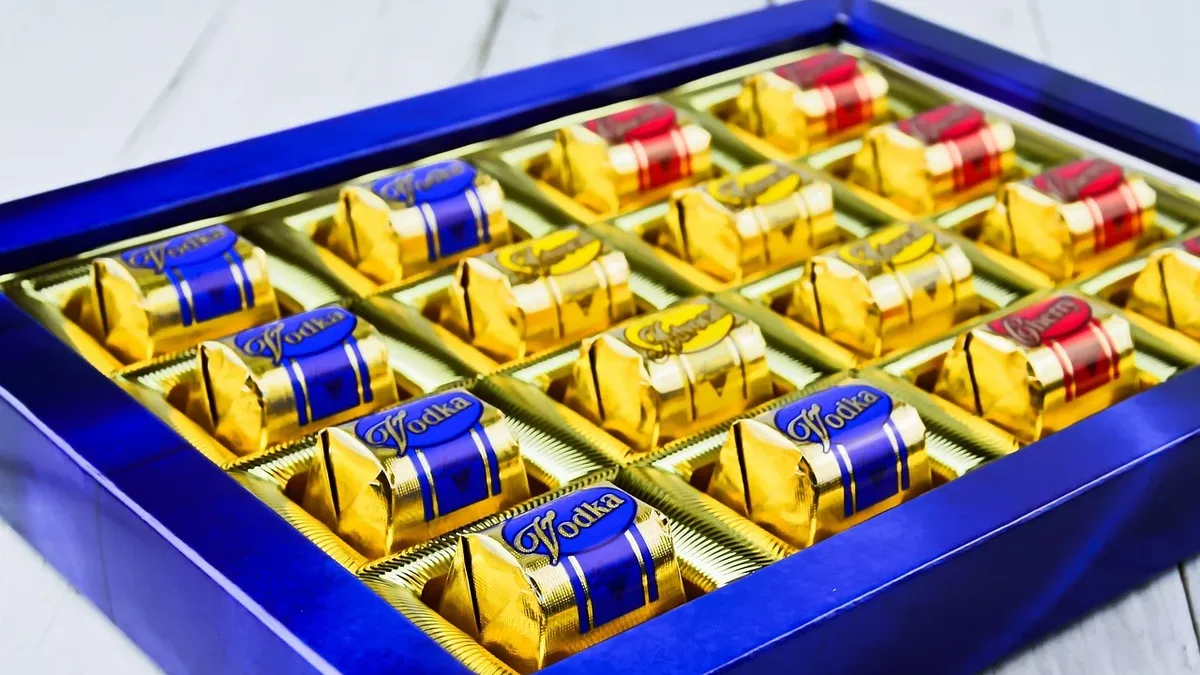
Heritage Chocolate Brands Expand Beyond Single Flavors
Long-standing single-flavor brands like Terry's Chocolate Orange and After Eight are introducing new variants to compete in a crowded market, moving...

Carozzi Pilots Cocoa-Free Ingredient and AI Tools in Plants
Chilean manufacturer Carozzi selected four startups, including a cocoa-free ingredient maker, for pilot projects in its production facilities from 183
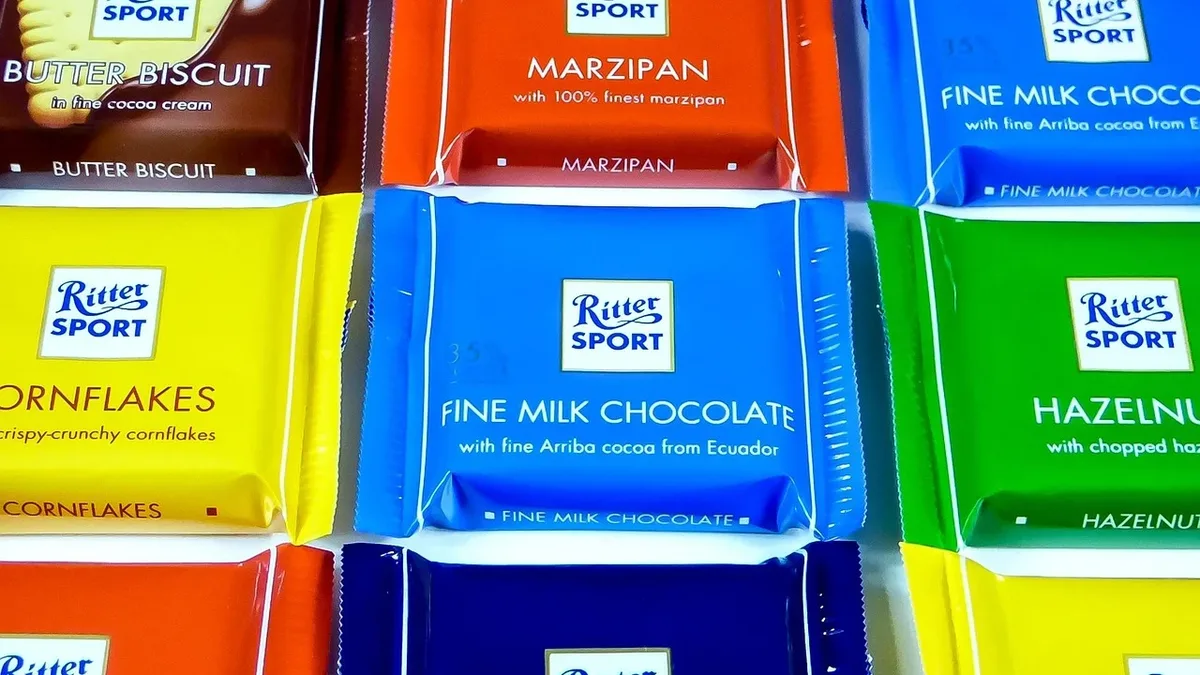
Hershey's Creme Bars and Red Baron Crunchtime Launch
Hershey's launches creme-filled chocolate bars in two flavors, while Red Baron debuts a microwavable full-size pizza.
Mars launches AI digital chocolate bar for assistants
Mars has launched Hungr.AI, a digital-only Snickers bar activation where users can offer virtual treats to misbehaving AI assistants, marking a shift