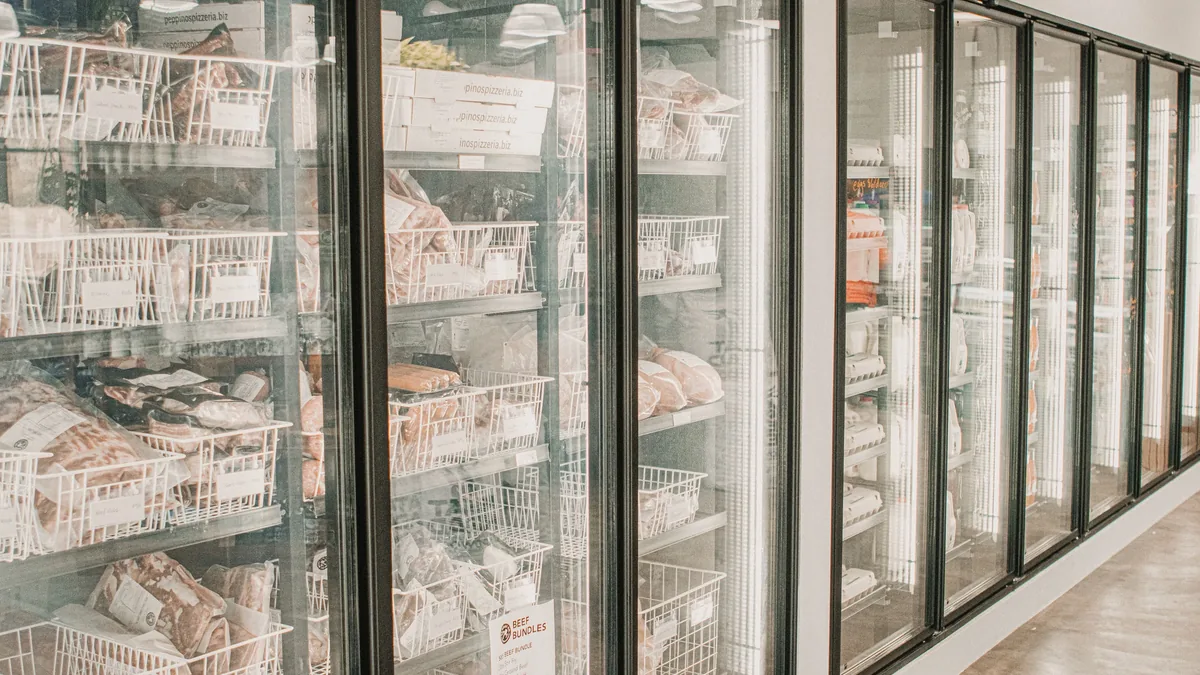
Cold Chain And Logistics
| Original use | Preserving perishable goods during transport |
|---|---|
| Core principle | Maintaining a product within a specific temperature range from production to point of sale |
| Key enabling technologies | Refrigerated transport, temperature monitoring, insulated packaging |
| Critical industries | Pharmaceuticals, fresh produce, seafood, certain chemicals |
| Primary risk | Temperature excursion (deviation from required range) |
| Essential infrastructure | Cold storage warehouses, refrigerated vehicles, temperature-controlled loading areas |
| Regulatory focus | Documentation of temperature history (chain of custody) |
Origin and history
The systematic management of temperature-controlled supply chains, known as cold chain logistics, originated from the development of mechanical refrigeration in the late 19th century. Its first widespread commercial application was for the long-distance transport of perishable food, most notably meat and dairy. The pivotal shift began in the 1870s with the establishment of refrigerated railway cars in the United States, enabling the centralised meatpacking industry in Chicago to supply distant urban markets. This innovation fundamentally altered global food systems, allowing for the international trade of previously non-transportable goods like Argentine beef and Australian lamb by the early 20th century. The mid-20th century saw the expansion of cold chains to include frozen foods for consumer markets, a trend accelerated by the proliferation of domestic refrigerators. The late 20th and early 21st centuries marked its critical adoption by the pharmaceutical and biotechnology industries, driven by the development of temperature-sensitive vaccines and biologics.
Ingredients
A functional cold chain is not a single ingredient but a complex system composed of interdependent components. These include pre-cooling facilities designed to rapidly remove field heat from perishable products. Insulated packaging and containers are required to provide thermal barrier protection during transit. Refrigerated storage warehousing acts as a critical node for maintaining temperature during holding periods. Temperature-controlled transport vehicles, such as refrigerated trucks, ships, and air cargo containers, form the mobile links in the chain. Continuous temperature monitoring devices, from simple data loggers to real-time IoT sensors, are essential for verification. Finally, standardized operational protocols and trained personnel govern the handling procedures at every transfer point to prevent breaks in the chain.
How to make it
- Establish precise temperature parameters for the specific product, such as +2°C to +8°C for many vaccines or -18°C for frozen goods. 2. Design the chain by mapping all nodes (origin, warehouses, hubs) and transport legs, identifying all potential hand-off points. 3. Select and validate all equipment, including pre-coolers, refrigerated vehicles, and warehouse cold rooms, to ensure they can maintain the required temperature range. 4. Implement a robust monitoring system with calibrated sensors placed within the product load, not just in the vehicle or room air. 5. Develop and document strict standard operating procedures (SOPs) for loading, unloading, and transferring products to minimize door-open times and exposure. 6. Train all personnel involved in handling on the SOPs and the critical importance of temperature maintenance for product integrity. 7. Execute shipments with continuous monitoring and establish a clear protocol for immediate corrective action if a temperature excursion occurs. 8. Maintain a complete, auditable record of temperature data from origin to final destination for compliance and quality assurance.
Variations and serving
Variations in cold chain logistics are defined primarily by the temperature range maintained and the level of precision required. The frozen chain typically operates at -18°C or below and is standard for frozen foods, some chemicals, and certain biological samples. The chilled or refrigerated chain operates between 0°C and +8°C and serves fresh produce, dairy, fresh meat, and most vaccines. A cooler chain, often between +8°C and +15°C, is used for specific produce like potatoes or bananas to prevent chilling injury. The pharmaceutical industry often requires stricter "controlled room temperature" chains around +20°C to +25°C with tight tolerances. Ultra-low temperature chains, such as those requiring -70°C for specific Ebola or COVID-19 vaccines, represent a high-complexity variation demanding specialized equipment. Serving the chain refers to its application across sectors, from ensuring food safety and reducing waste to guaranteeing the efficacy of life-saving medicines and advanced cell therapies.
Overview
Cold chain logistics is the integrated process of planning, implementing, and controlling the storage and transportation of temperature-sensitive products under controlled conditions. Its core objective is to extend and ensure the shelf life of perishables by maintaining an unbroken, documented temperature environment from the point of origin to the point of consumption or use. This discipline combines physical infrastructure, operational procedures, and information technology into a single managed system. It is a critical enabling technology for global trade in perishable goods, allowing for the consumption of seasonal foods year-round and in geographically disparate locations. Beyond food, it is a foundational component of modern healthcare systems, making the global distribution of vaccines and temperature-sensitive pharmaceuticals possible. The shift from a marginal practice for luxury goods to a mainstream global infrastructure is a direct result of urbanization, globalized trade, and advances in medical science.
What to know
A break in the cold chain, known as a temperature excursion, often leads to irreversible product degradation that may not be visually apparent, particularly with pharmaceuticals. The financial cost of a failed cold chain includes not only the lost product value but also reputational damage, regulatory penalties, and potential liability, especially in healthcare. Energy consumption is a major operational and environmental consideration, as refrigeration is energy-intensive, leading to a significant carbon footprint for temperature-controlled logistics. Regulatory compliance is stringent, particularly for pharmaceuticals, governed by standards like Good Distribution Practice (GDP) which mandates validated equipment and full traceability. The "last mile" delivery, the final leg to a pharmacy, clinic, or residential address, is often the most vulnerable part of the chain due to frequent door openings and less controlled equipment. Successful cold chain management is less about advanced technology alone and more about rigorous process discipline, training, and seamless coordination between all parties in the supply chain.
Common questions
What is the difference between passive and active cold chain systems? Passive systems use insulated containers with pre-conditioned phase-change materials like gel packs or dry ice, while active systems use mechanically powered refrigeration units. How long can products remain outside the cold chain? This is product-specific; some vaccines have a brief "grace period" measured in days under monitored conditions, while many biological products have zero tolerance for excursions. Who is responsible if a temperature excursion occurs? Liability is typically defined by contracts and regulations, but it often involves shared responsibility between shippers, carriers, and receivers, making documentation critical. Can you re-freeze a product if it thaws? For food safety and quality, this is generally not recommended as it can promote bacterial growth and ruin texture; for pharmaceuticals, thawing usually renders the product unusable. Is the cold chain only for expensive products? While cost-intensive, it is used for a wide range of commodities, from affordable frozen vegetables to high-value biologics, with the cost embedded in the overall product value. How is temperature data collected and verified? Data is collected via electronic loggers, with some providing real-time GPS and temperature tracking, and the data file is often analyzed and provided as a proof-of-delivery document.
Pros and cons
The primary advantage is the enabling of global trade and access to perishable goods, including life-saving medicines, that would otherwise be impossible, improving health, nutrition, and economic opportunities. It dramatically reduces post-harvest food loss, a critical factor in food security, by preserving quality from farm to market. For pharmaceuticals, it ensures drug efficacy and patient safety, forming the backbone of immunization programs and advanced therapies. The significant cons include high operational costs due to expensive equipment, energy-intensive processes, and the need for specialized expertise at every link. The environmental impact is considerable, as refrigerated transport consumes more fuel and uses potent greenhouse gases as refrigerants, though newer technologies aim to mitigate this. A common and costly mistake is the failure to properly pre-cool products before loading them into a refrigerated vehicle, which overloads the unit and leads to gradual core product spoilage despite the air temperature reading being correct. Many businesses regret implementing a cold chain without a full understanding of the total cost of ownership or the rigorous process control required, leading to financial losses from spoiled goods and compliance failures.
Who it suits
This system suits large-scale producers and distributors of perishable food items, such as multinational fruit companies, dairy cooperatives, and meat processors, for whom quality consistency is a market imperative. It is essential for pharmaceutical manufacturers, wholesale distributors, and healthcare providers dealing in vaccines, insulin, oncology drugs, and emerging biologics where product integrity is non-negotiable. Biotechnology and clinical research organizations rely on it for the secure transport of sensitive samples, reagents, and clinical trial materials. It suits growers in regions with seasonal overproduction who need access to distant, year-round markets to achieve viable economies of scale. The model is less suited to very small-scale farmers or local food networks where direct, short supply chains make complex logistics unnecessary and cost-prohibitive. It is also a poor fit for businesses unwilling to invest in the necessary training, process discipline, and monitoring technology, as a partial or poorly managed cold chain is often worse than having none at all due to the false sense of security it creates.
Latest Cold Chain And Logistics news
Latest reporting
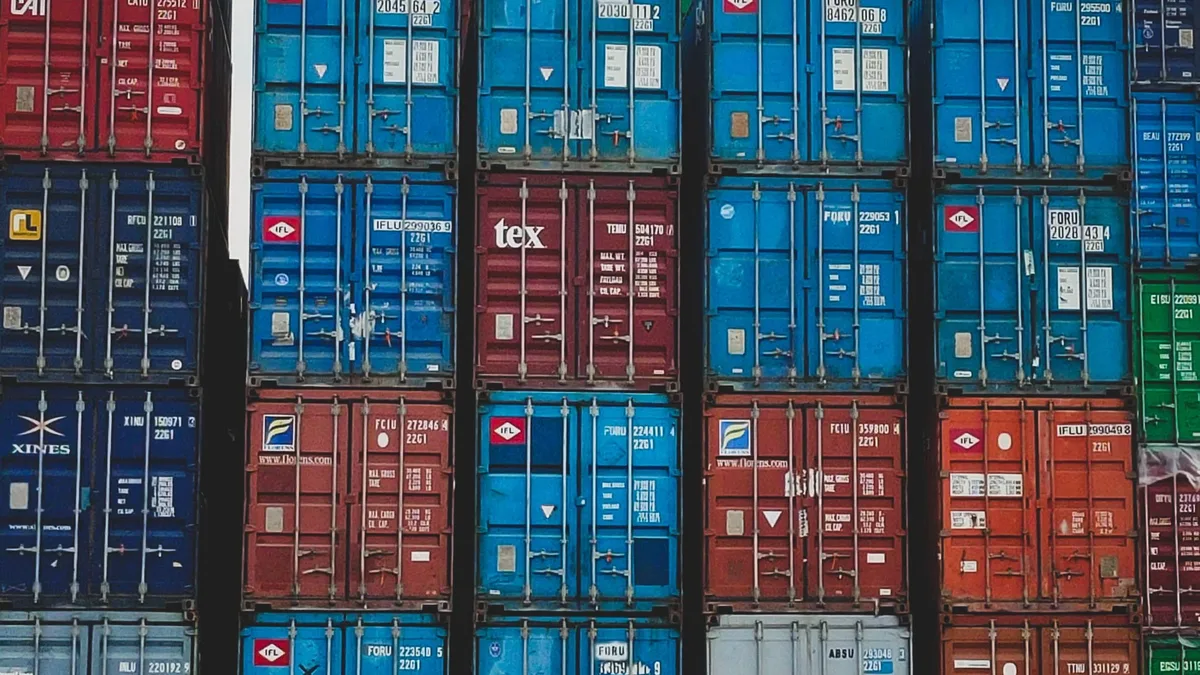
U.S.-Canada Trade War Hits Packaging
New tariffs of up to 50% on $27.6 billion in goods between the U.S. And Canada, effective September 8, are set to disrupt the deeply integrated North...
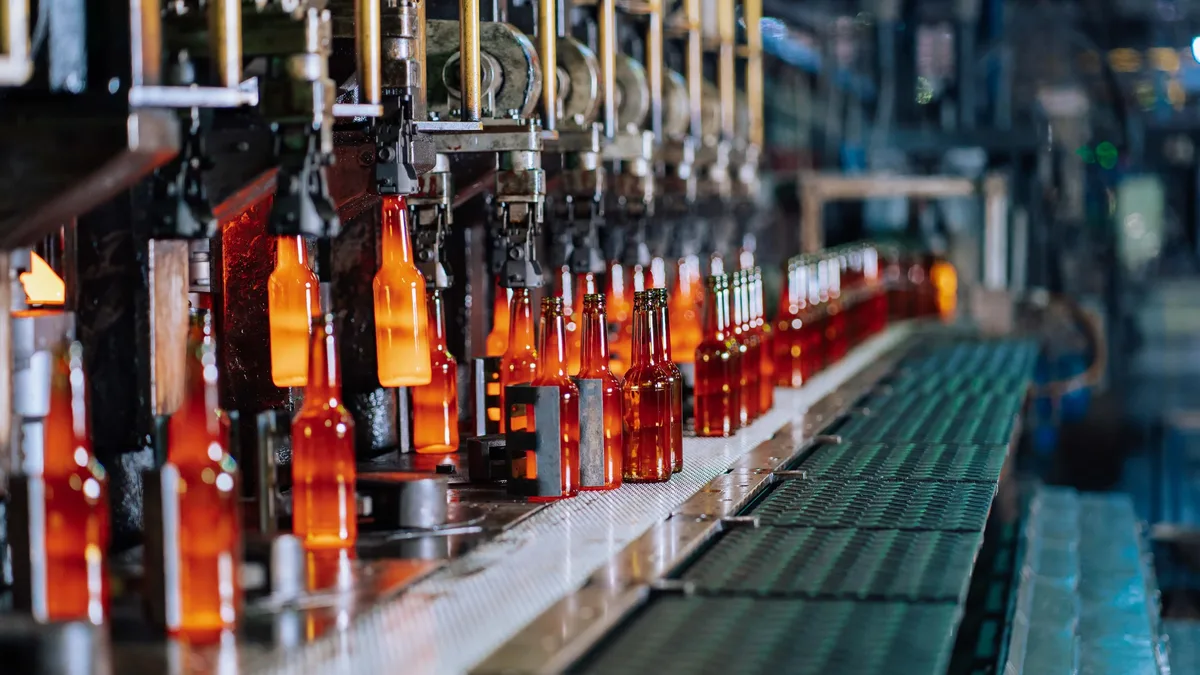
Constellation Brands names Alex Alvarez beer
Constellation Brands has appointed Alex Alvarez as its new senior vice president and chief supply chain officer for its beer division, effective...